Bed Bugs

Bed bugs are persistent pests that feed on human blood and can significantly affect quality of life. Because of their secretive behaviour, they are often discovered only after the population has already spread. Early identification and a thorough control strategy are essential for successful treatment.

6/30/2026

Bed Bugs – Effective Bed Bug Control

Bed bugs most commonly hide in bedrooms, where they remain close to their hosts. They are primarily active at night, when they seek a blood meal while people are sleeping. During the day, they remain hidden in cracks, mattress seams and other hard-to-reach places.

Their presence is not related to the cleanliness of the room. They are most often brought into the home unintentionally after travelling, in luggage, with second-hand furniture or on other infested items. Because they reproduce quickly, it is important to act as soon as the first signs appear.


Why Do Bed Bugs Appear in the Home?

Bed bugs do not spread between rooms because of dirt. They spread mainly when infested items are moved. Their small size allows them to hide easily in luggage, clothing and furniture, and they often remain unnoticed until after arrival at home.

The most common causes of an infestation include:

  • travel and luggage,
  • second-hand furniture,
  • used mattresses,
  • clothing and textiles,
  • blocks of flats and other multi-unit buildings,
  • hotels, apartments and hostels.

Once bed bugs enter a room, they find hiding places near the bed or another sleeping area where they can remain unnoticed during the day.


Why Are Bed Bugs a Problem?

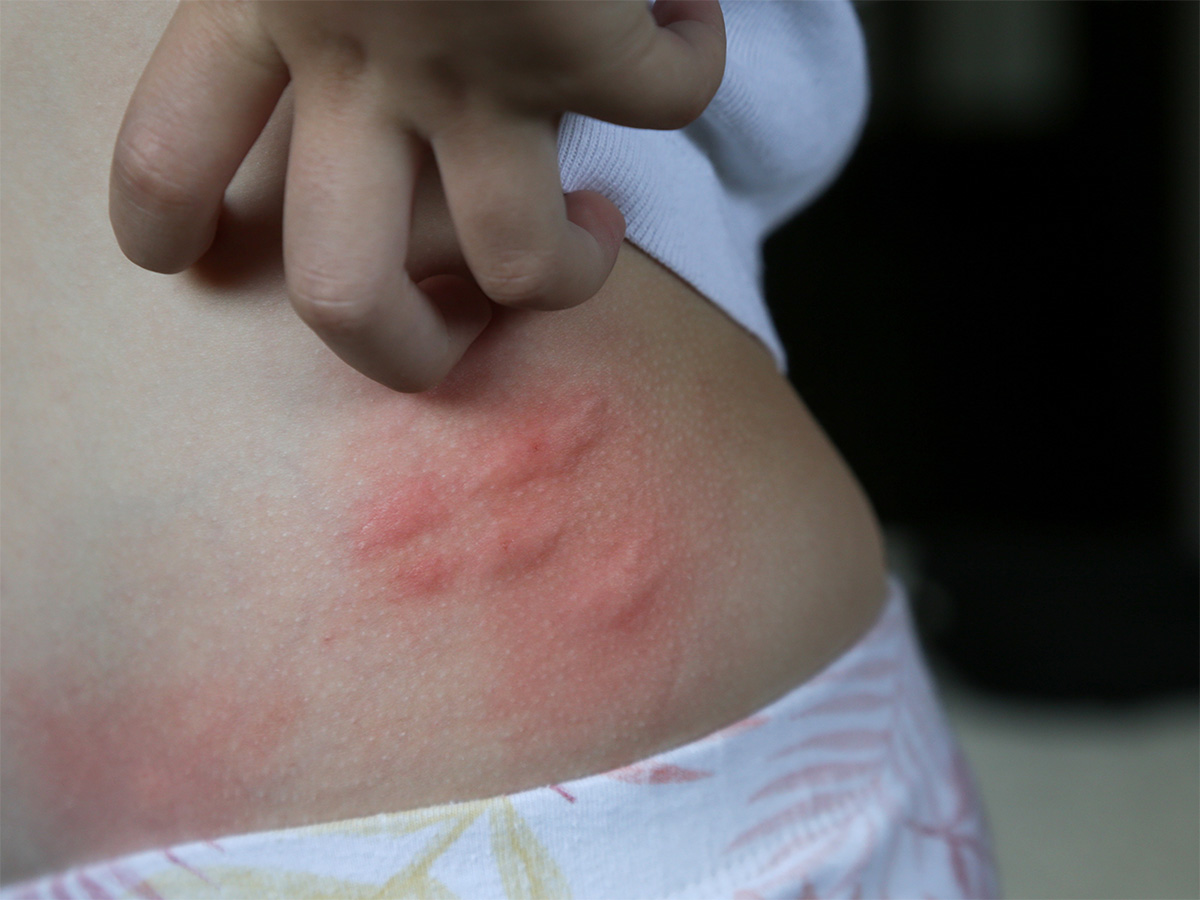
Although bed bugs are not known to transmit diseases, they can significantly affect quality of life. Their bites cause unpleasant skin reactions, while their presence often leads to stress, discomfort and disturbed sleep.

The most common problems include:

  • itchy bites,
  • redness and skin irritation,
  • local allergic reactions,
  • disrupted sleep,
  • a persistent feeling of discomfort,
  • rapid spread of the population throughout the room.

Because bed bugs remain hidden for most of the time, their numbers can increase rapidly without timely action, making control considerably more difficult.

Where Do Bed Bugs Most Commonly Hide?

Bed bugs stay close to people because they feed on blood while their hosts are sleeping. Their flat bodies allow them to hide in extremely narrow gaps.

They are most commonly found:

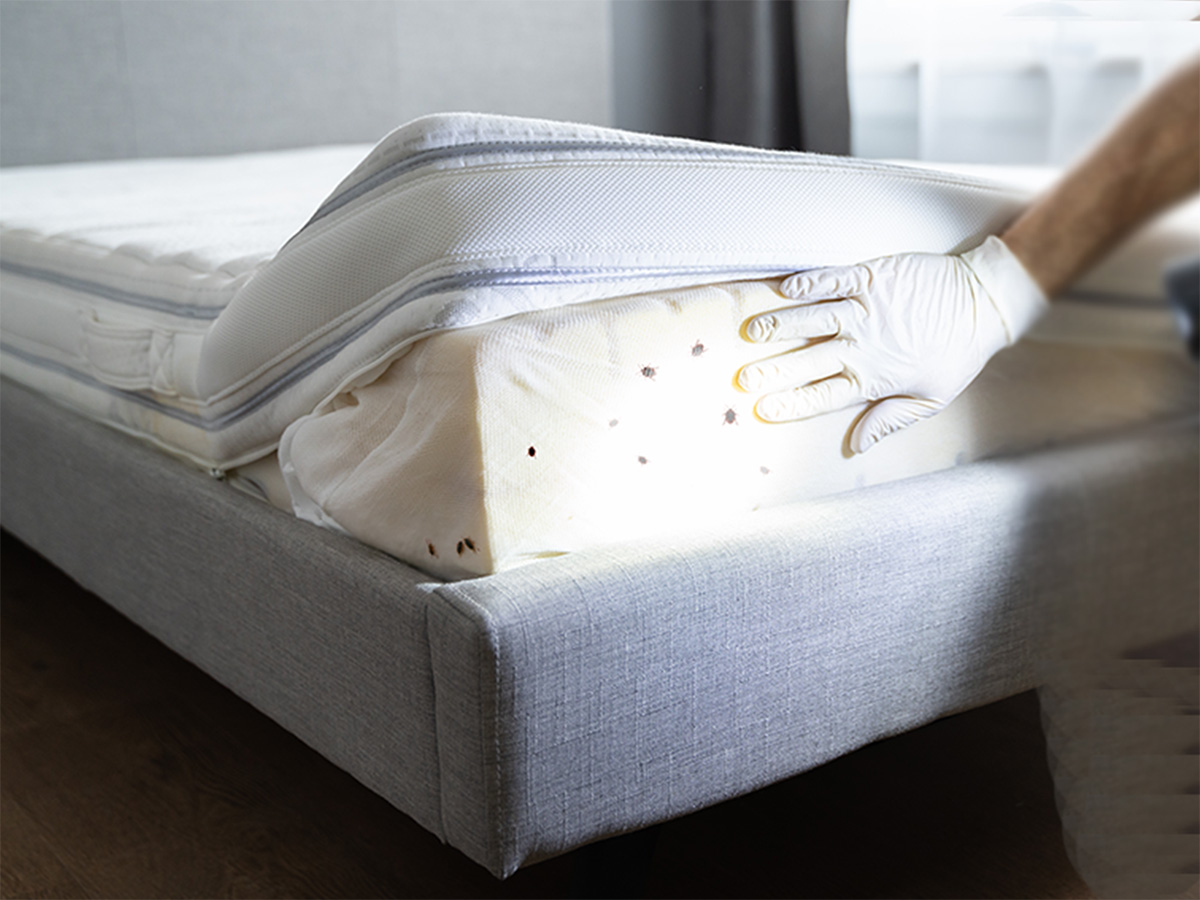
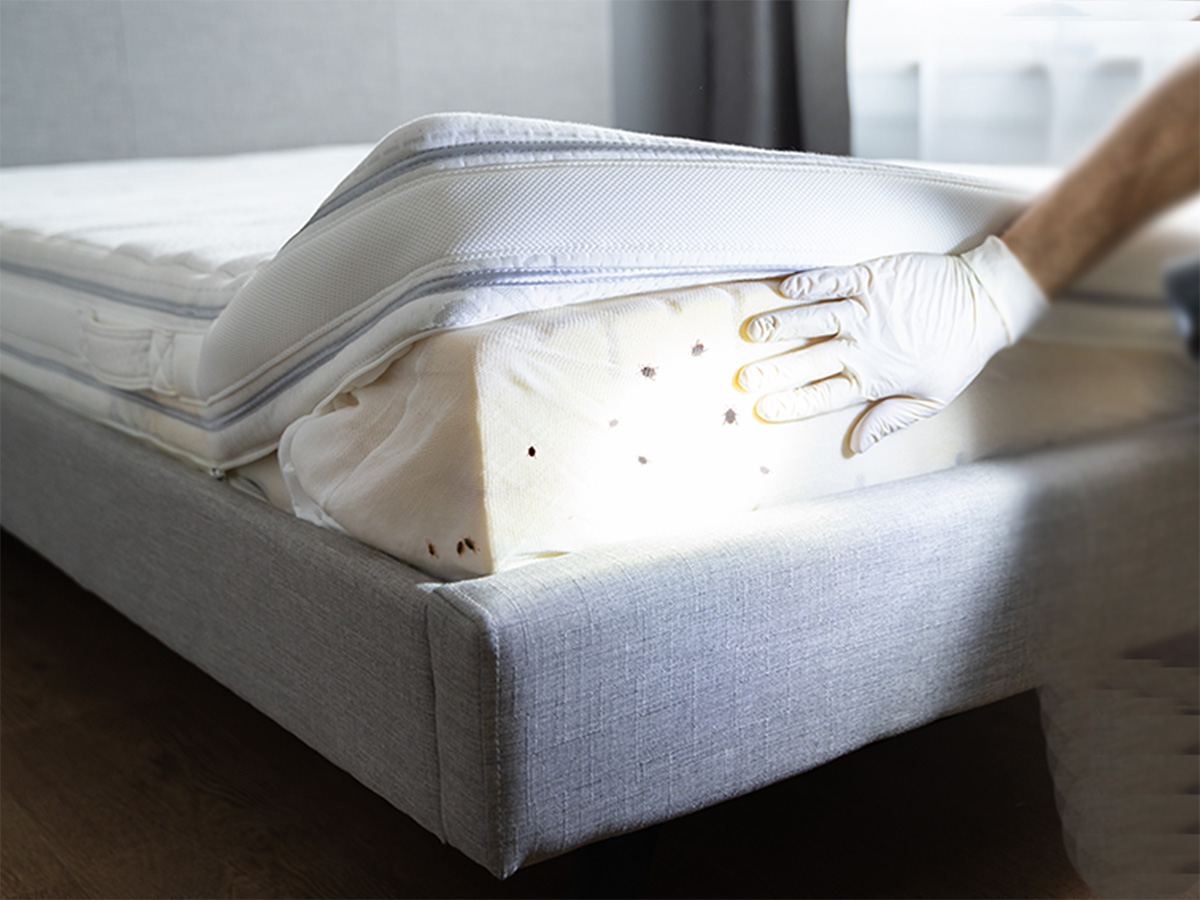
  • in mattress seams,
  • in bed frames,
  • behind headboards,
  • in upholstered furniture,
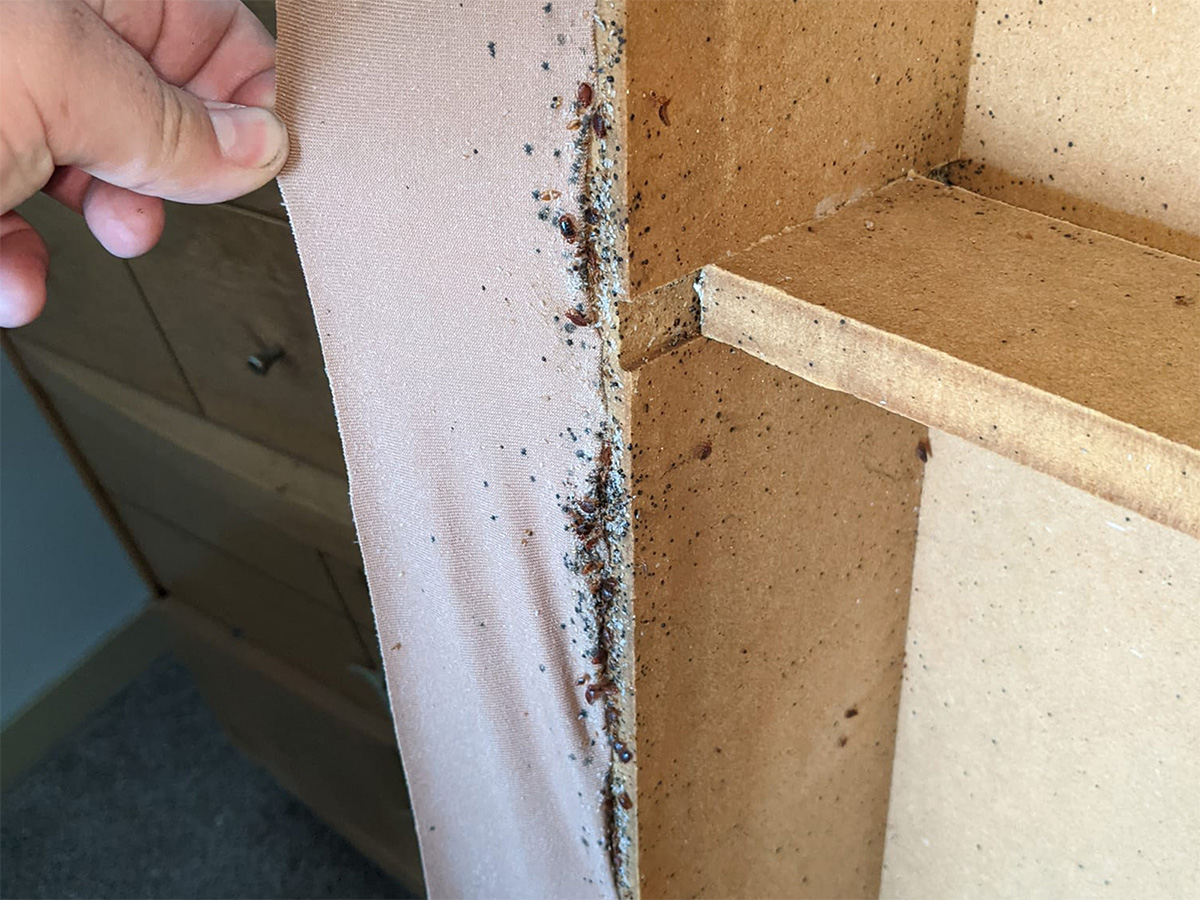
  • behind skirting boards and decorative trim,
  • in cracks in walls and floors,
  • behind electrical sockets,
  • in suitcases, bags and other items brought home after travelling.

Because bed bugs are highly effective at hiding, inspecting the room requires particular care.

How Can You Recognise a Bed Bug Infestation?

Bed bugs are primarily active at night and are therefore rarely seen during the day. Their presence is usually revealed by characteristic signs on the bed, mattress or skin.

The most common signs of bed bugs are:

  • itchy bites after sleeping,
  • several bites arranged in a line or cluster,
  • small blood stains on bed linen,
  • dark spots (droppings) on the mattress or bed frame,
  • shed skins or moulting remains,
  • live bed bugs or eggs in mattress seams, bed frames or furniture cracks.

If several of these signs are present, inspect the entire bedroom and begin suitable treatment as soon as possible.

How to Get Rid of Bed Bugs Effectively?

Bed bug control is challenging because they hide in many difficult-to-reach places. Successful treatment requires a combination of thorough inspection, mechanical cleaning and effective insecticides.

We recommend:

✔ carefully inspecting all possible hiding places,

✔ washing bed linen, clothing and other textiles at high temperatures,

✔ thoroughly vacuuming mattresses, bed frames and floors,

✔ reducing the number of possible hiding places in the room,

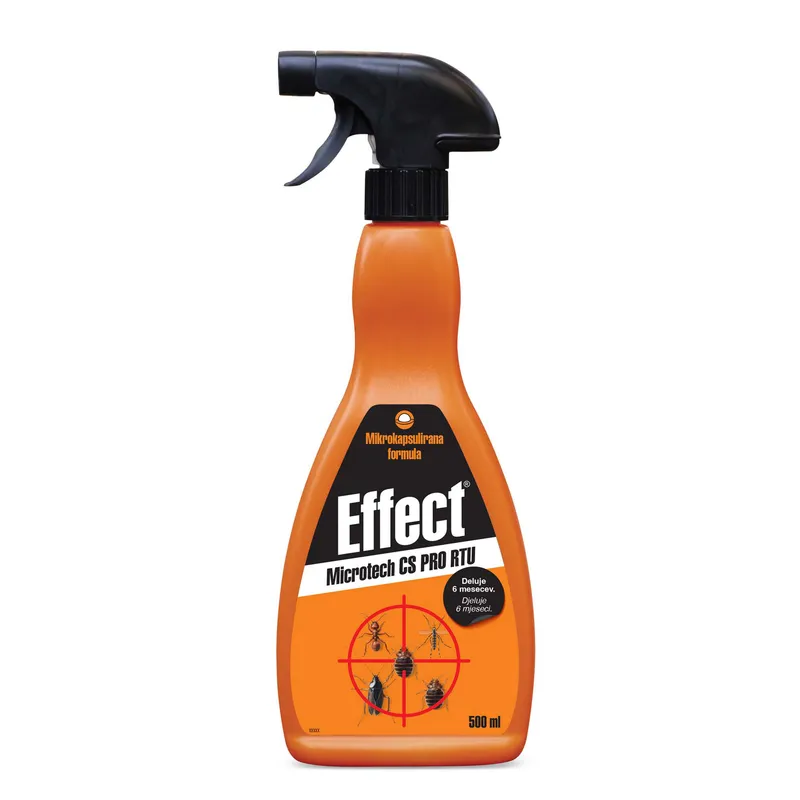
✔ using insecticides with long-lasting action,

✔ repeating treatment where necessary, as new bed bugs may hatch from eggs.

Early action significantly improves the chances of successful control and helps prevent bed bugs from spreading to other rooms.


Why Is Microencapsulated Technology Particularly Effective?

Bed bugs spend most of their time hidden in cracks and generally emerge only at night. It is therefore important that an insecticide remains effective for several weeks after application.

Microencapsulated technology provides:

  • gradual release of the active ingredient,
  • long-lasting protection of treated surfaces,
  • improved product stability,
  • effective action against hidden populations.

The microcapsules attach to the bodies of bed bugs and may be carried back into their hiding places. The product therefore continues to work long after application and helps reduce individuals that were not directly exposed during treatment.

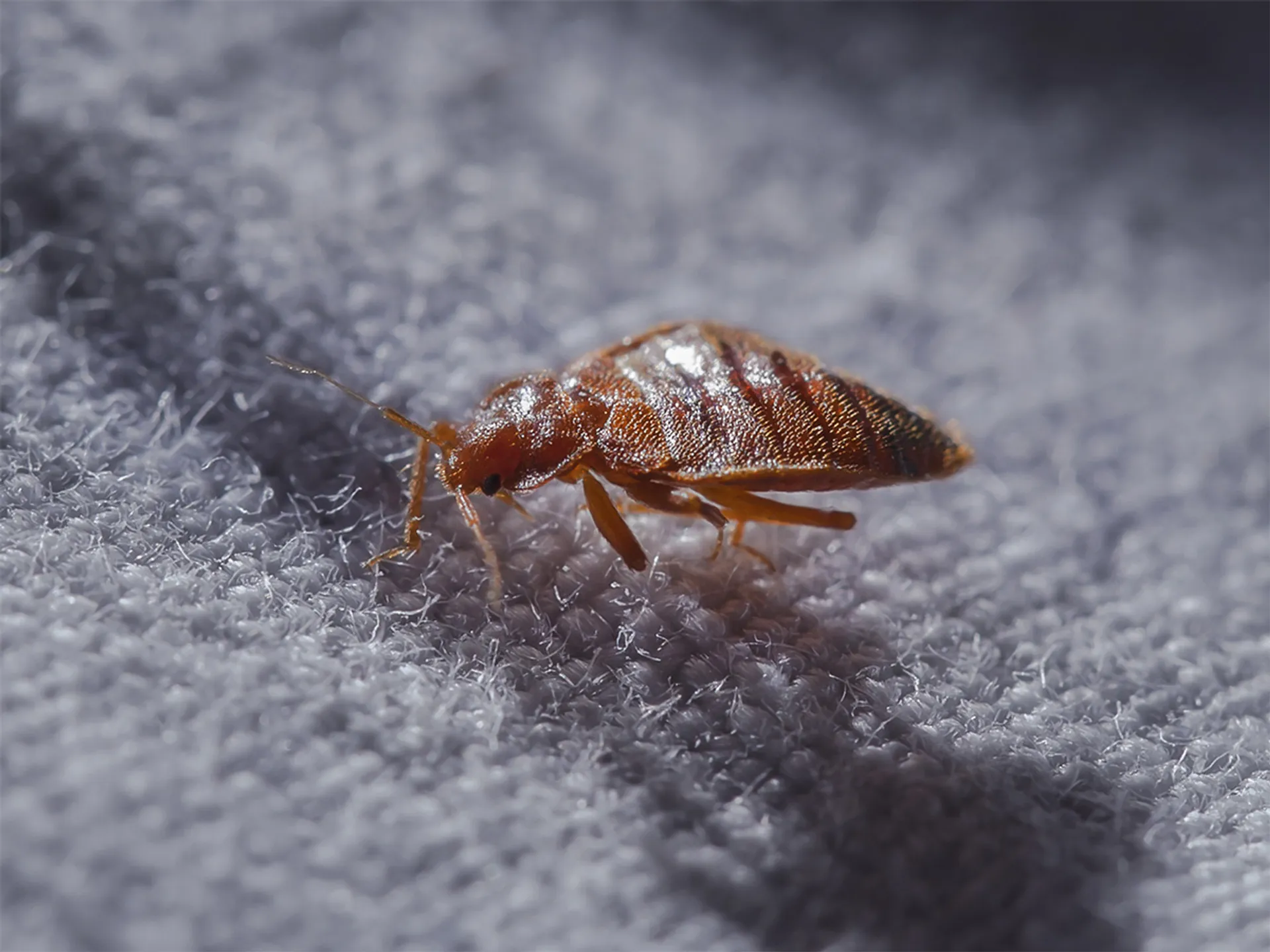
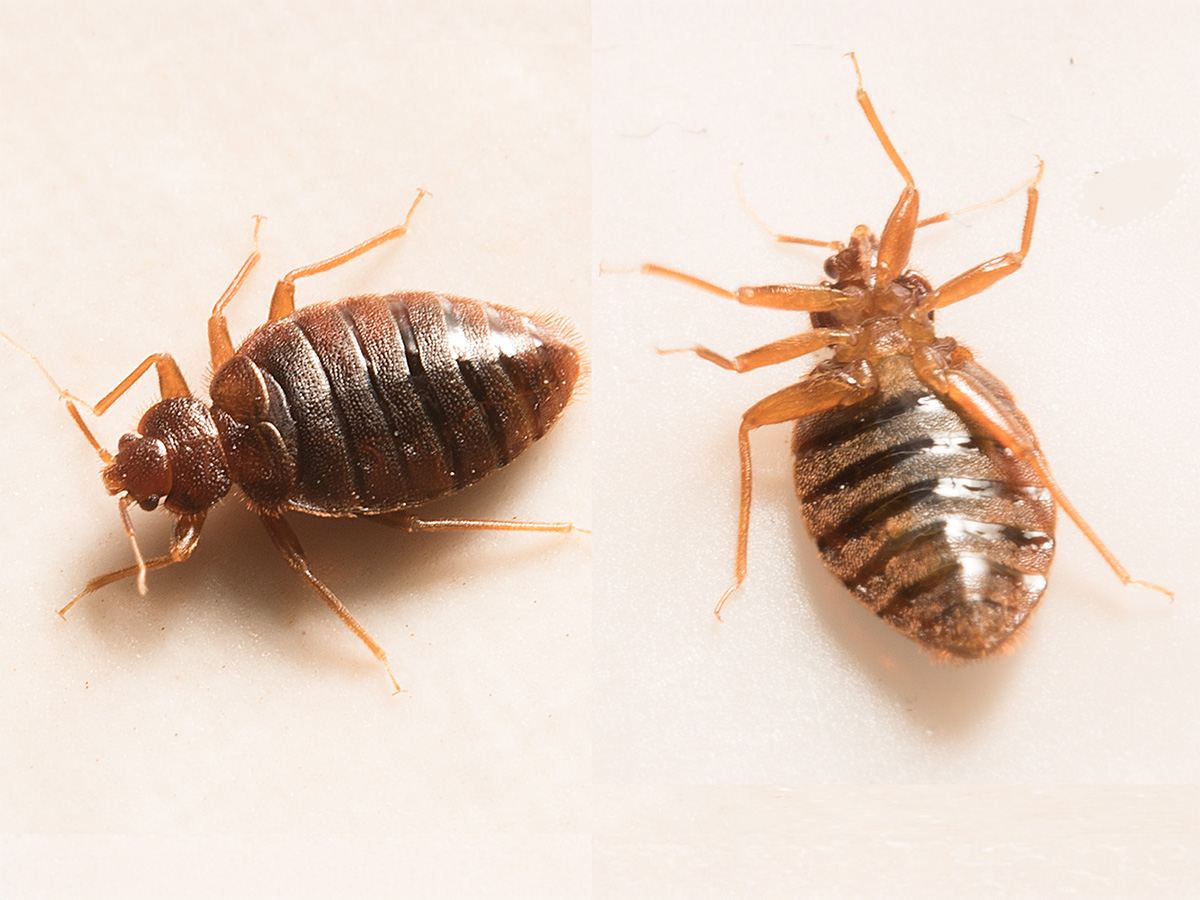
Common Bed Bug (Cimex lectularius)

The common bed bug is the most widespread species in Slovenia and Europe. It is mainly active at night, when it feeds on the blood of sleeping people. During the day, it hides in mattress seams, bed frames, upholstered furniture and other narrow gaps.

Tropical Bed Bug (Cimex hemipterus)

The tropical bed bug is more common in warm climates, but frequent international travel means it is occasionally found in Europe as well. It looks very similar to the common bed bug and differs mainly in its geographical distribution and adaptation to higher temperatures.

Interesting Facts About Bed Bugs

  • Bed bugs are mainly active at night, when people are sleeping.
  • An adult bed bug can survive for several months without feeding and may survive even longer under favourable conditions.
  • Bed bugs cannot fly or jump; they move by crawling.
  • They are most often brought into the home unintentionally after travelling, in luggage or with second-hand furniture.
  • Their presence is not related to cleanliness. Bed bugs may appear in private homes, hotels, apartments and other accommodation.


Frequently Asked Questions (FAQ)

How can I tell whether I have bed bugs?

The most common signs are itchy bites after sleeping, small blood stains on bed linen, dark droppings on the mattress and live bed bugs or shed skins in mattress seams and furniture cracks.

Do bed bugs transmit diseases?

Current evidence does not identify bed bugs as important vectors of disease to humans. Their bites may nevertheless cause itching, skin irritation and allergic reactions in some people.

Can bed bugs disappear on their own?

No. Without appropriate action, the population usually increases as bed bugs reproduce and spread to new hiding places.

How do bed bugs spread?

They are most commonly transported unintentionally in luggage, clothing, second-hand furniture or other items. In multi-unit buildings, they may also spread between neighbouring flats.

How can bed bugs be controlled successfully?

The most effective approach combines a thorough room inspection, washing textiles at high temperatures, vacuuming hiding places and applying insecticides with long-lasting action. More extensive infestations often require repeated treatment.