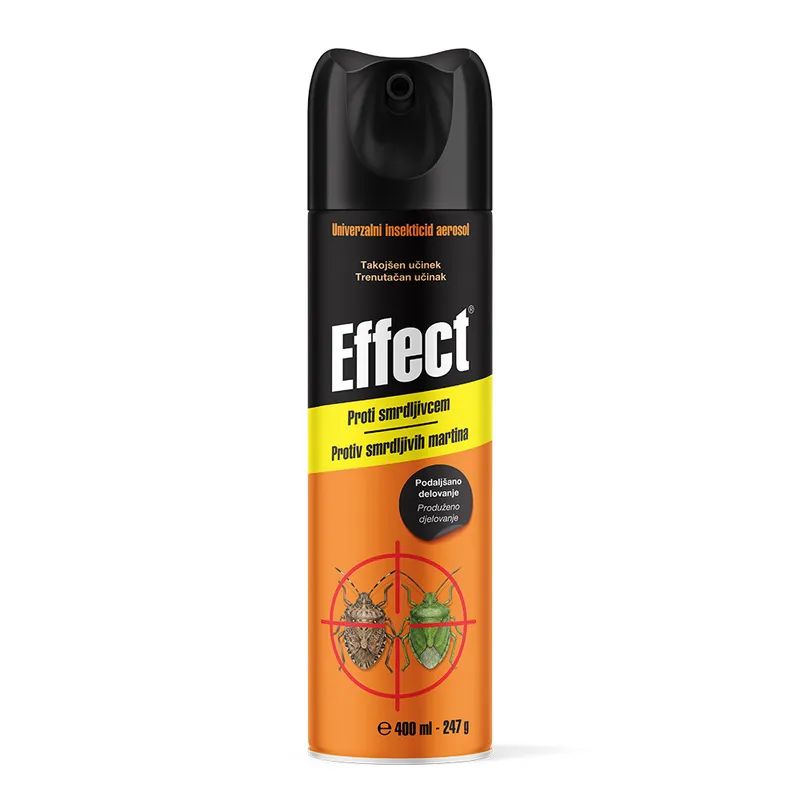
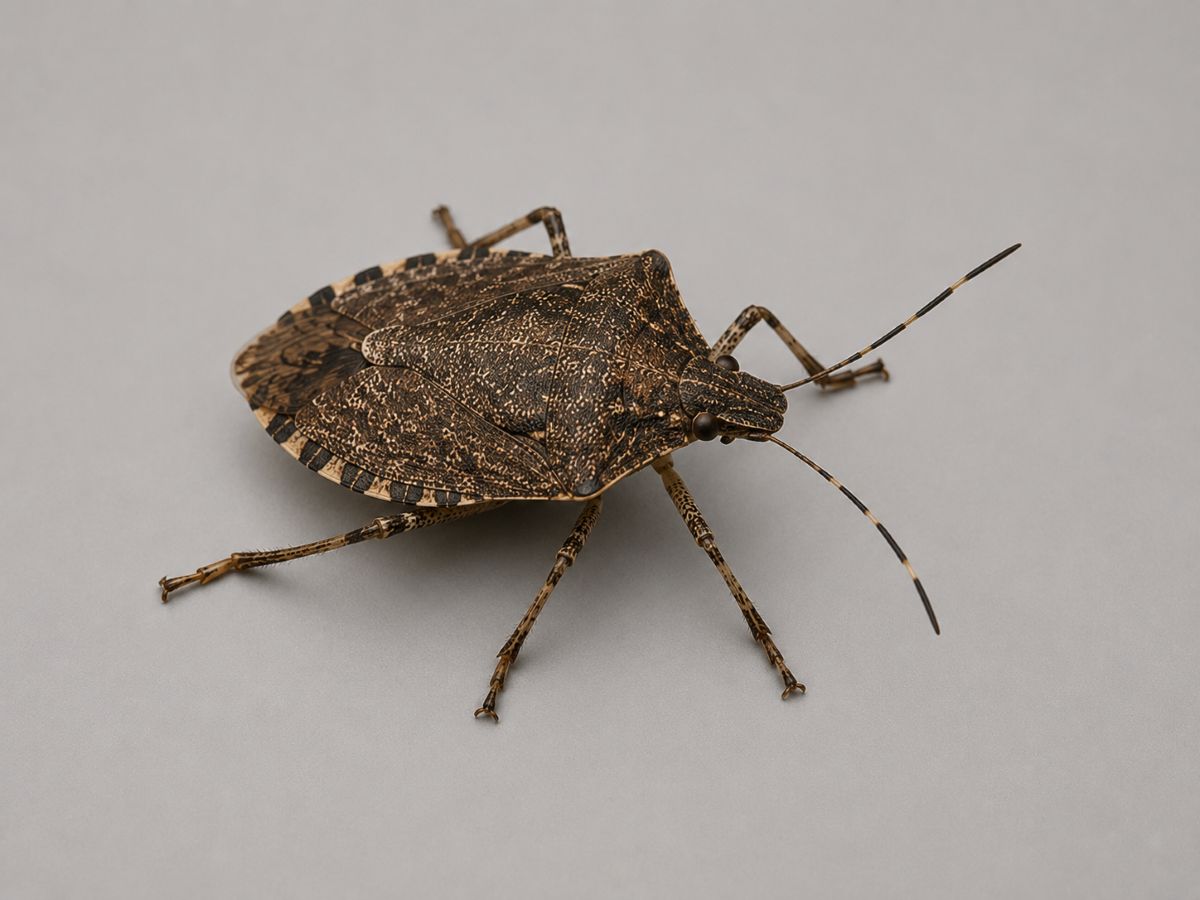
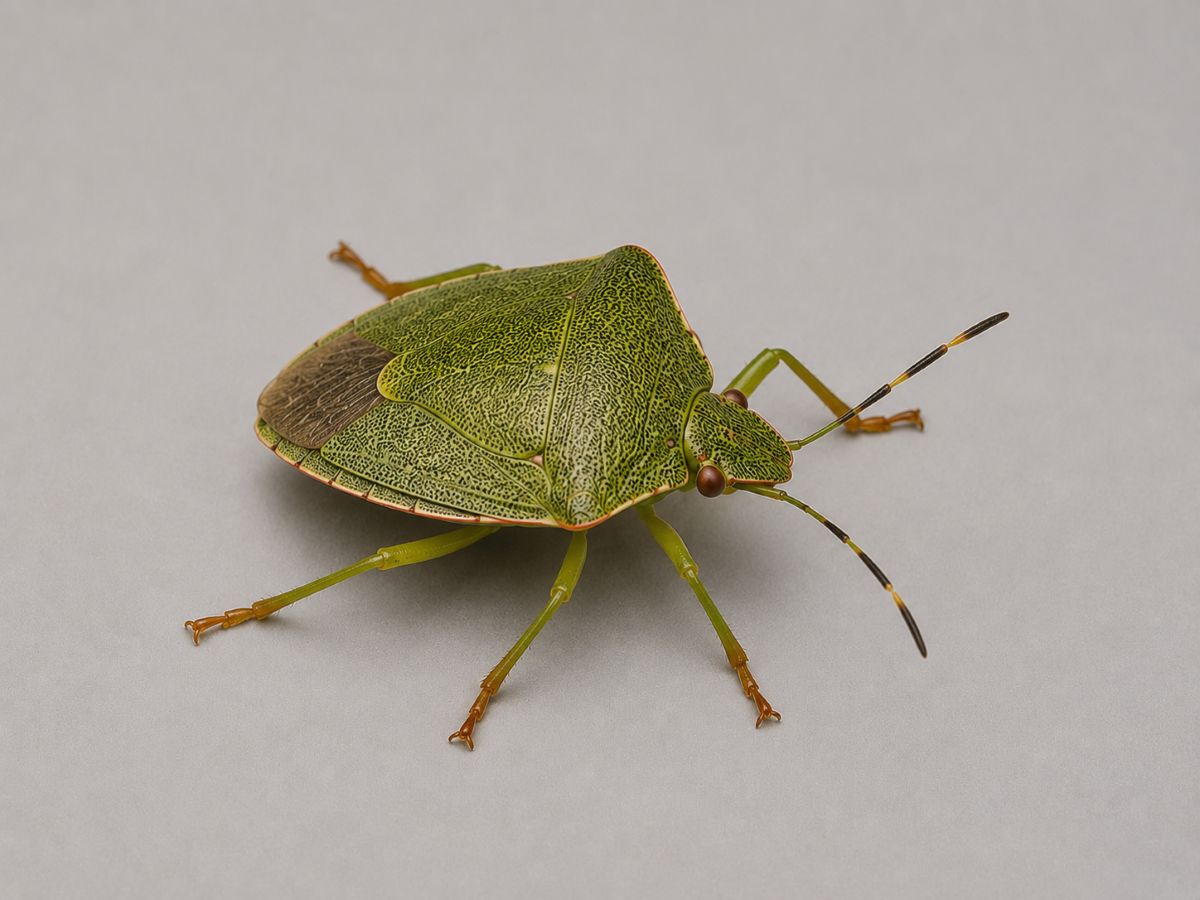
Stink Bugs – Effective Prevention and Control
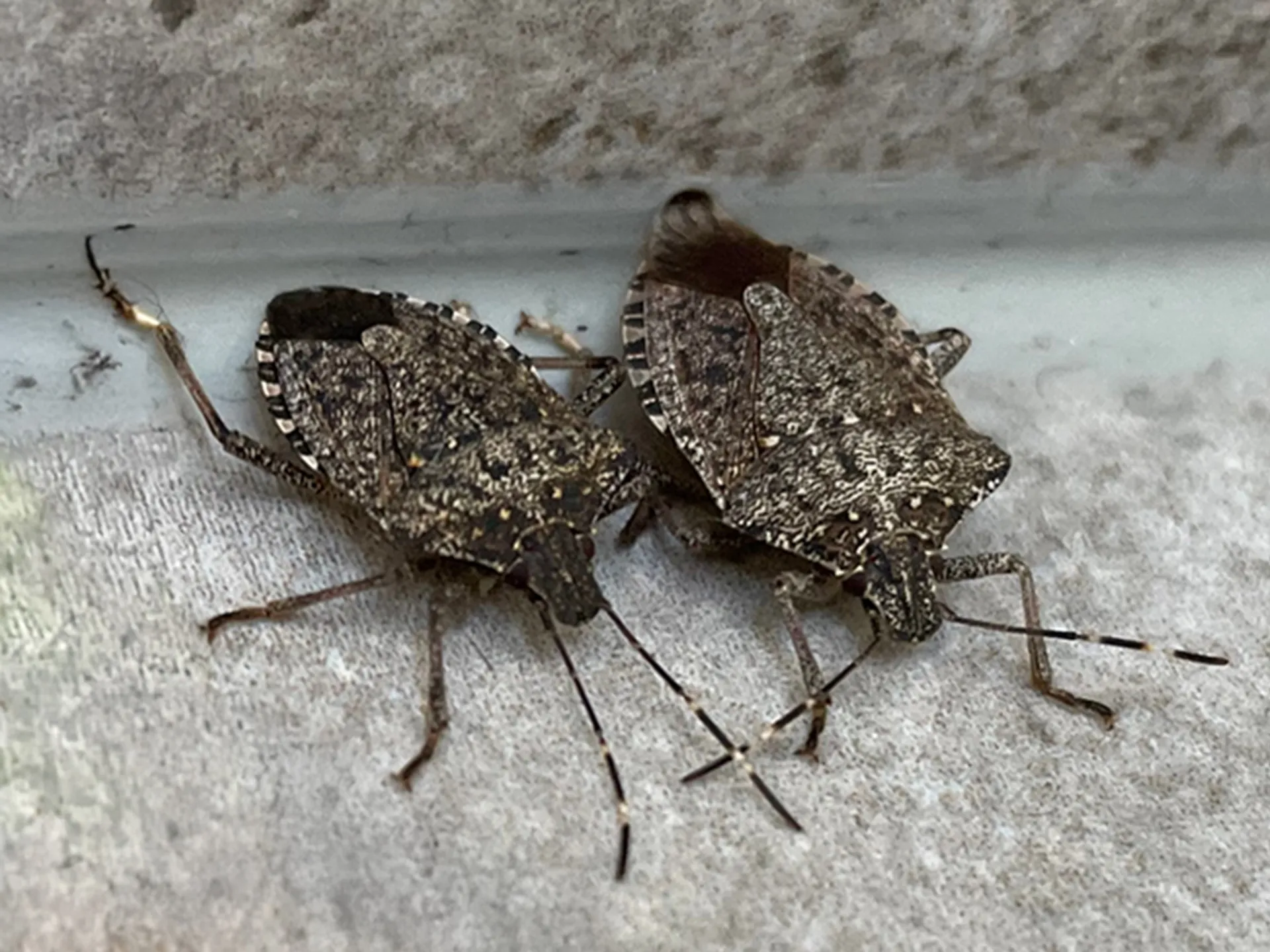
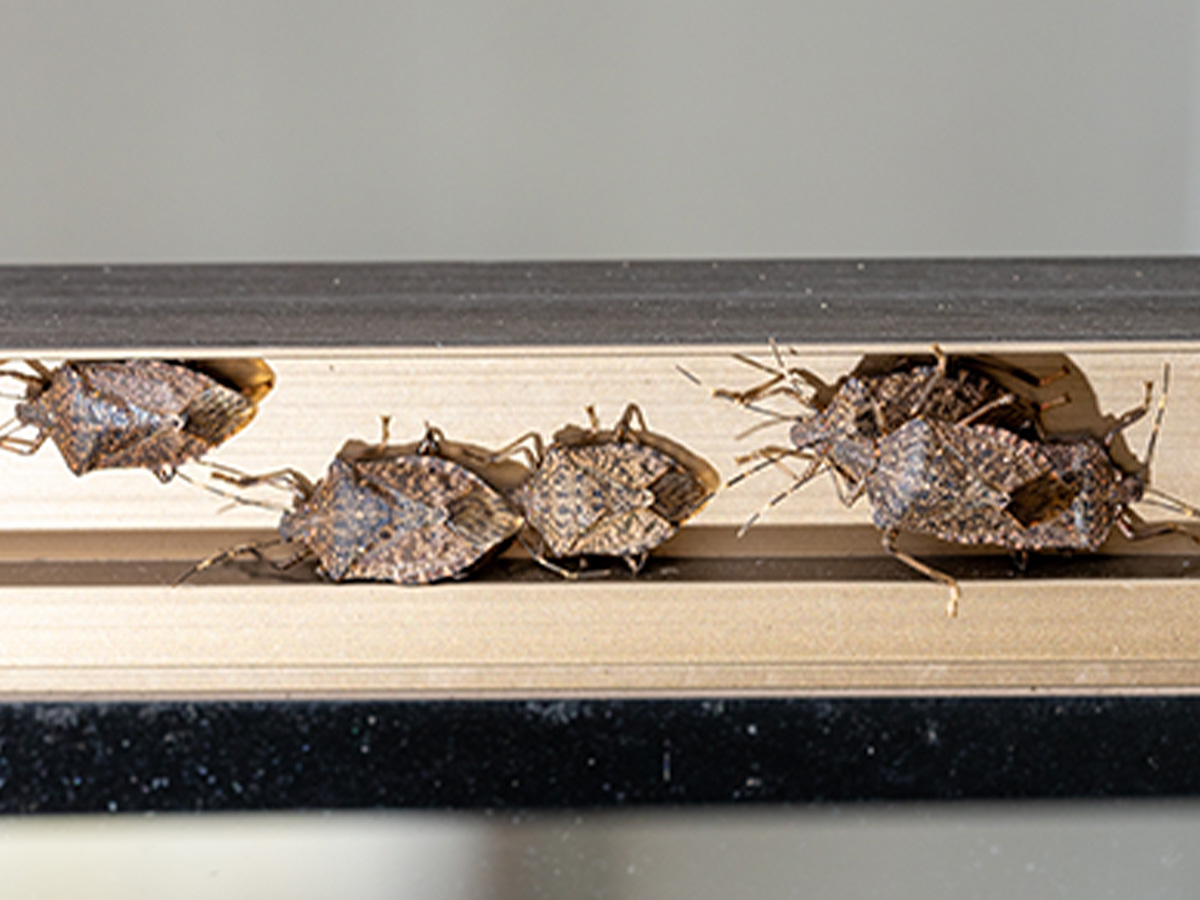
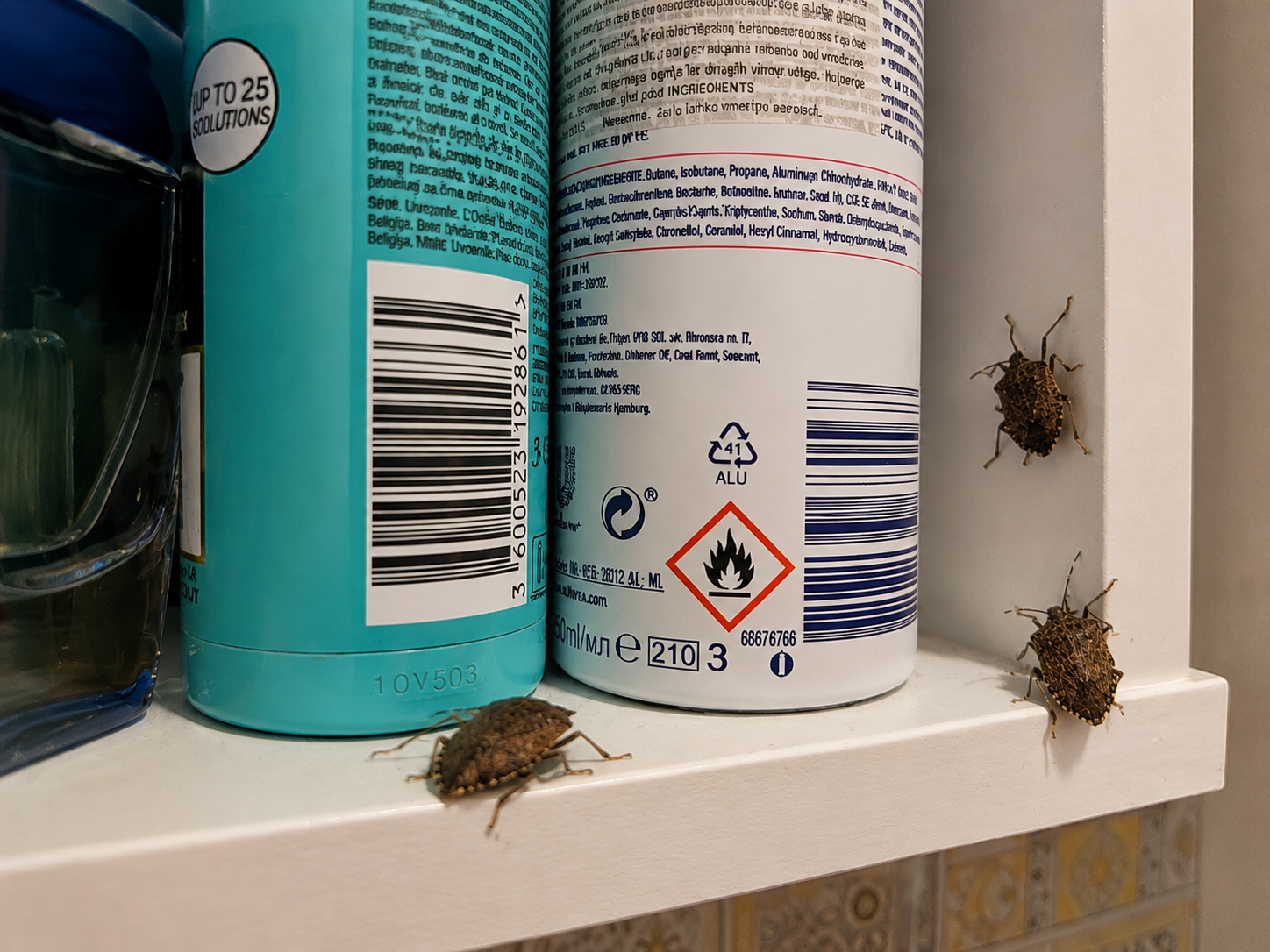
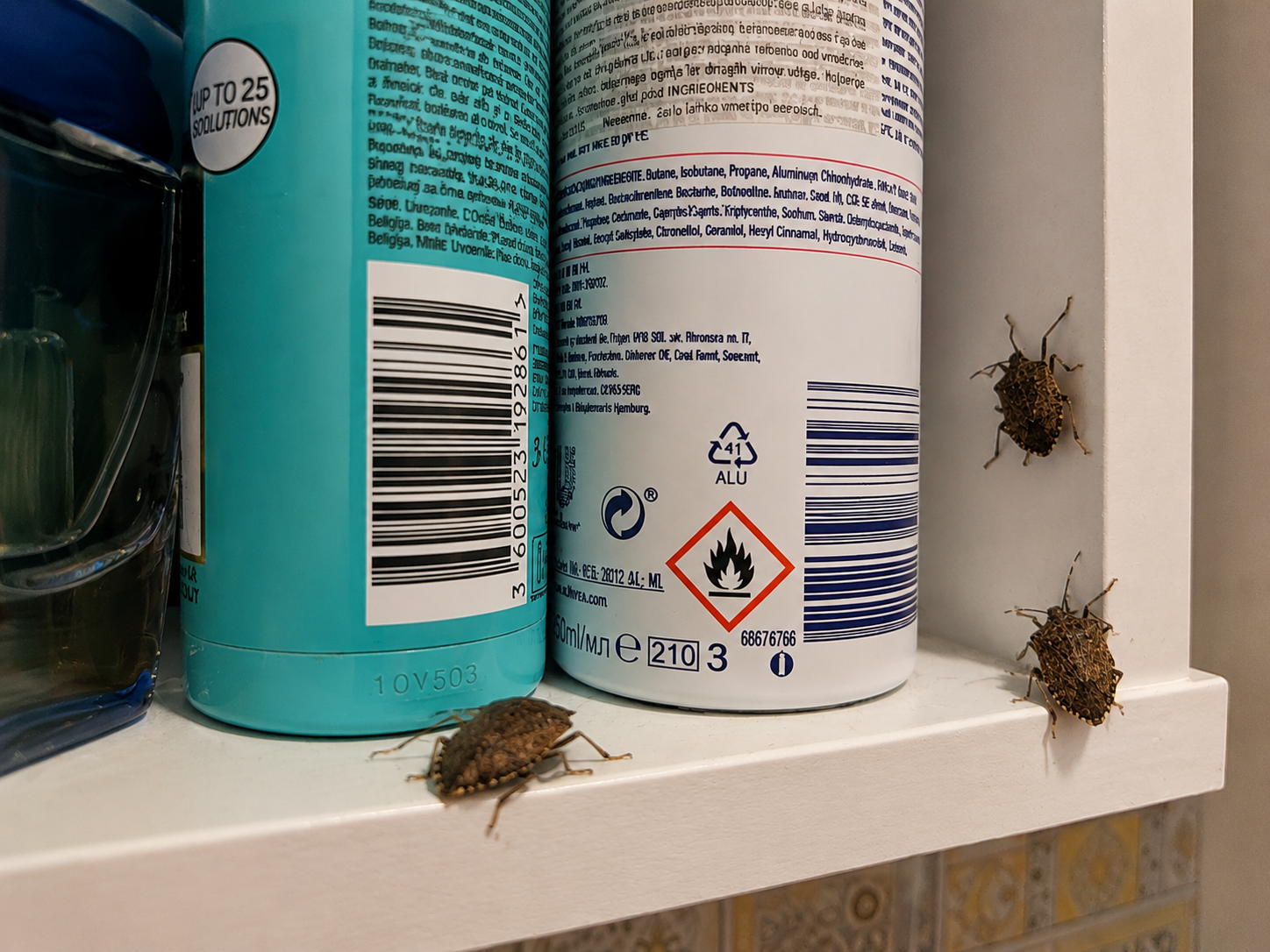
Stink bugs are most commonly seen from late summer into autumn, when they search for a suitable place to overwinter. At this time, they frequently enter houses, flats, garages, garden sheds and other buildings, where they may remain until spring.
In addition to being a nuisance indoors, they also damage fruit trees, vegetables and other cultivated plants. When threatened, they release the characteristic unpleasant odour that gives them their name.
Why Do Stink Bugs Enter the Home?
Stink bugs do not enter indoor spaces in search of food. They are looking for a warm, safe place to overwinter. They most commonly enter houses and other buildings through open windows, doors, ventilation openings or cracks in the facade.
Their presence is most commonly encouraged by:
- lower autumn temperatures,
- warm and dry indoor areas,
- gaps around windows and doors,
- open windows without insect screens,
- proximity to gardens, orchards and fields,
- favourable overwintering conditions.
Once they find suitable shelter, large numbers of stink bugs may overwinter in the same location.
Why Are Stink Bugs a Problem?
Stink bugs are not dangerous to people because they do not sting, bite or transmit disease. Nevertheless, they can cause considerable nuisance indoors, while their presence in gardens and orchards may also affect crop quality and yield.
The most common problems include:
- an unpleasant defensive odour,
- large numbers indoors,
- damage to fruit and vegetables,
- feeding on plant sap,
- reduced crop quality,
- reappearance at the beginning of spring.
Because they frequently gather on windows, walls and ceilings, many people find them particularly unwelcome inside the home.
.png)