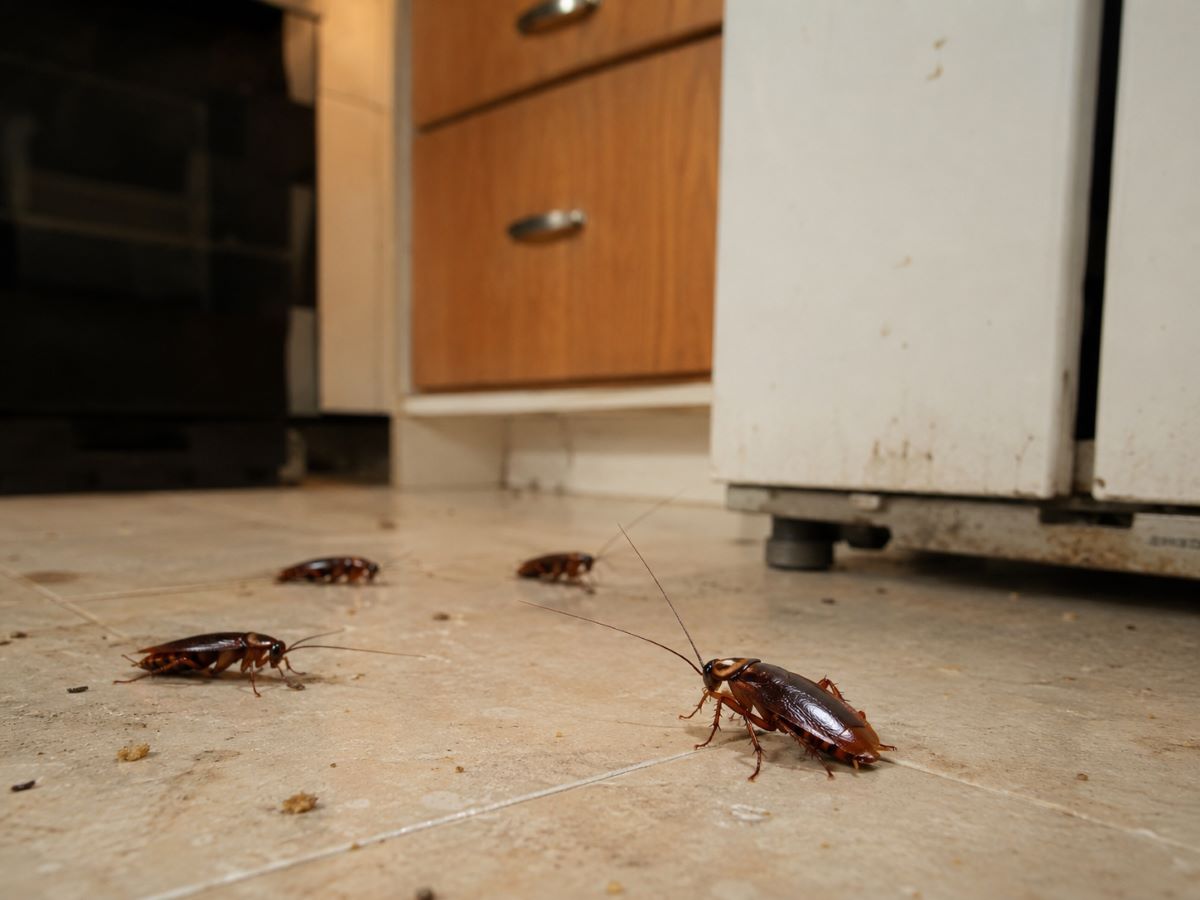
Cockroaches frequently move between food sources and contaminated areas and may therefore carry pathogenic microorganisms that can contribute to food poisoning and other illnesses. Many people also show allergic reactions to cockroach secretions, droppings and shed skins. Cockroach allergens can cause nasal congestion, sneezing and watery eyes and, in more serious cases, may contribute to mild or severe asthma. Cockroach-related asthma is particularly common among children living in densely populated areas where cockroach infestations can be extensive.
How to Recognise Cockroaches and Their Signs
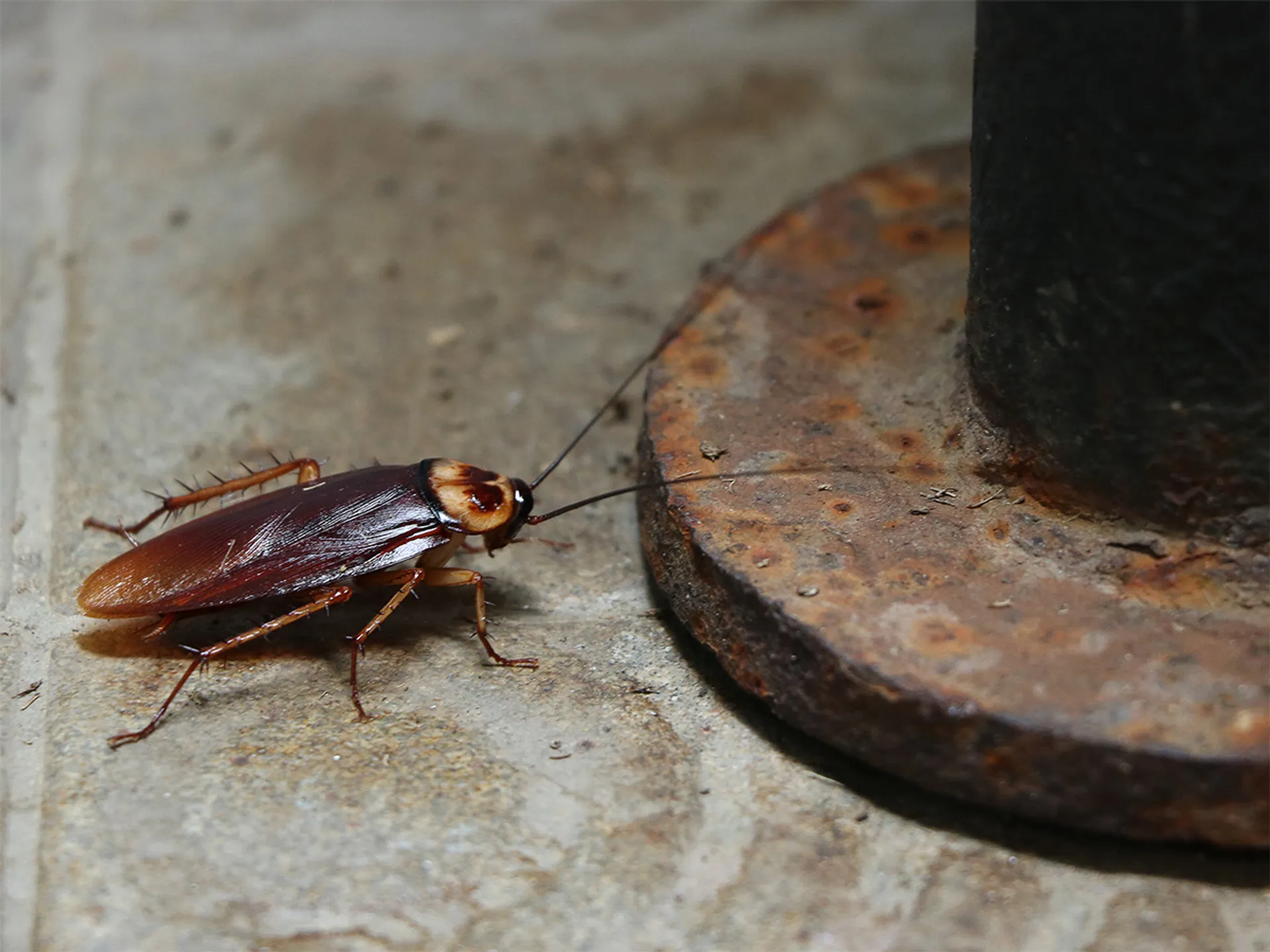
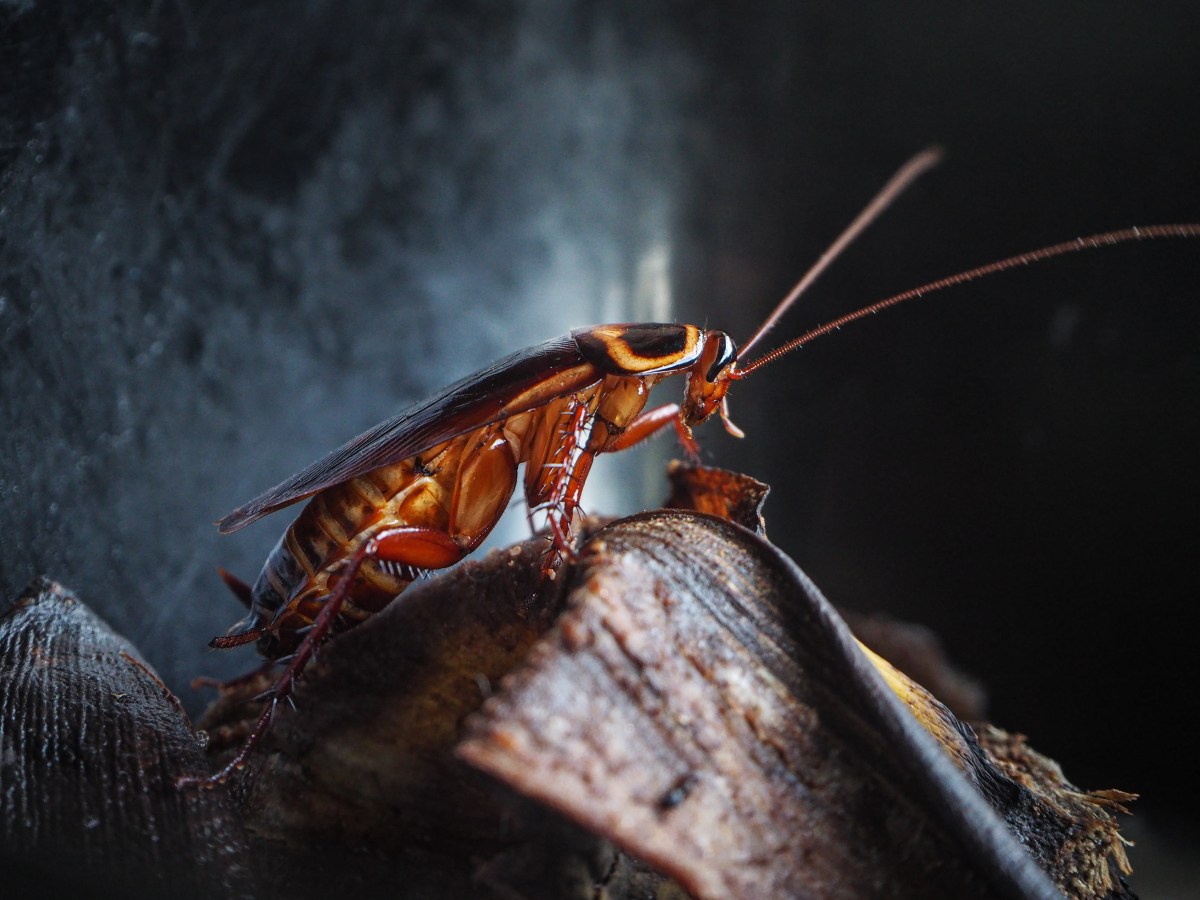
Cockroaches are flat, brownish insects with long antennae and very rapid movement. They are most commonly seen at night, when they leave their hiding places to search for food and water. When a light is switched on, they usually retreat quickly into cracks, beneath furniture or into other concealed areas.
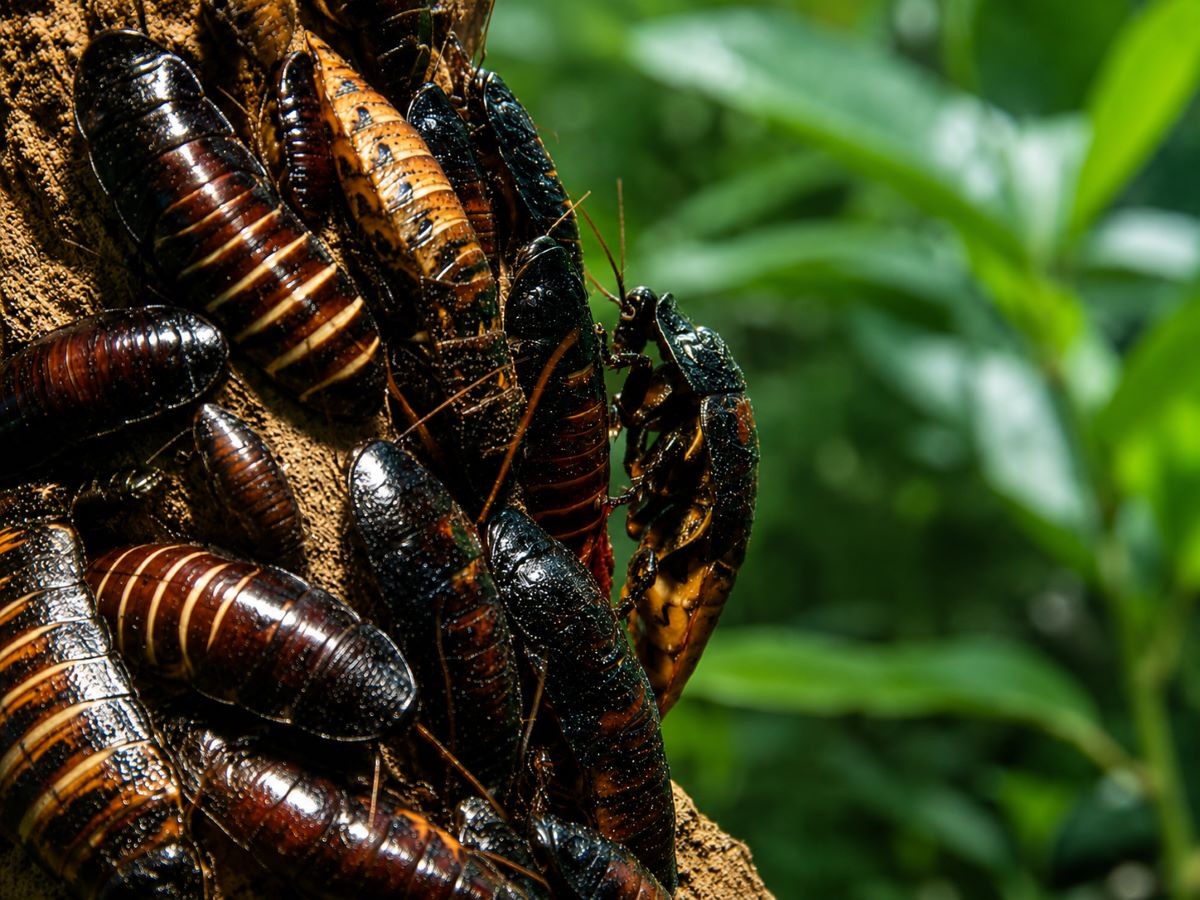
Cockroaches undergo incomplete metamorphosis. Nymphs hatch from eggs and resemble adults, but their wings are not yet fully developed. As they grow, they moult several times before reaching adulthood.
Cockroaches reproduce extremely quickly. Females deposit egg cases in hidden, protected locations. Depending on the species, each case may contain 15-40 nymphs. The German cockroach is one of the most widespread and persistent species, and a single female may indirectly contribute to several thousand descendants in less than a year.
One of the first signs of cockroach activity is their droppings, which resemble fine grains of ground pepper or poppy seeds. They are commonly found along movement routes, close to hiding places or in areas where cockroaches remain for longer periods.
.png)