From the Garden to the Living Room - Why Stink Bugs Seek Your Home in Autumn
During summer, stink bugs are most commonly found in gardens, fruit trees and other plants, where they feed on plant sap.
.png)
During summer, stink bugs are most commonly found in gardens, fruit trees and other plants, where they feed on plant sap.
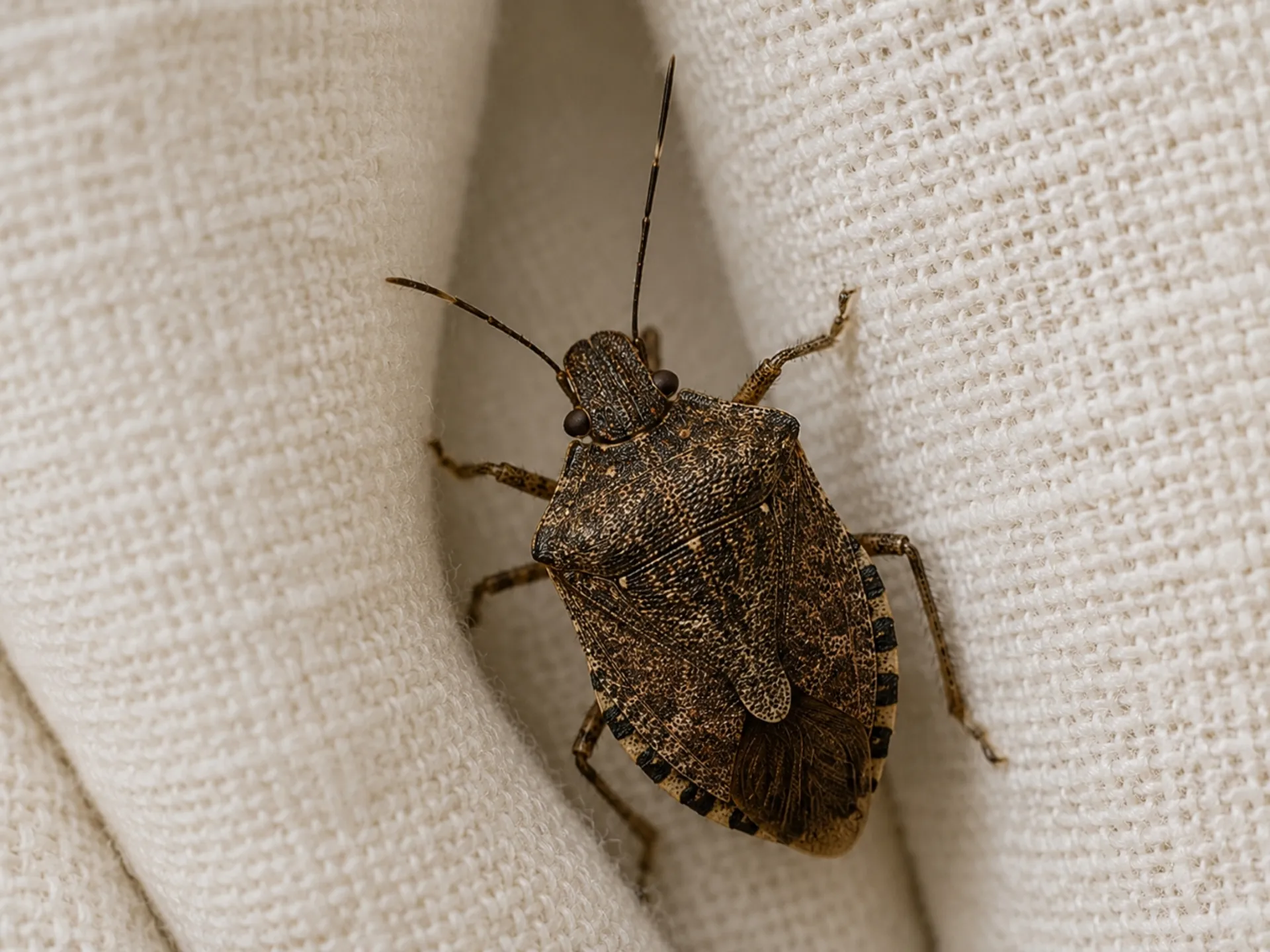
As the days become shorter and temperatures begin to fall, their behaviour changes. Instead of searching for food, stink bugs look for warm, protected places to overwinter. They therefore appear increasingly often on façades, window frames and inside homes.
They are not dangerous to people, but they can damage crops and become a major nuisance when they enter houses and apartments in large numbers during autumn.
Stink bugs prefer warm, sheltered areas with abundant food. During summer, they are often found on tomatoes, peppers, cucumbers, legumes and fruit trees such as apple and pear. Their numbers are usually highest in late summer and early autumn while temperatures remain suitable for activity.
They pierce the skin of fruit with their feeding mouthparts and suck plant sap, damaging the tissue. The result may be discoloured spots, corky areas, deformed fruit and lower crop quality.
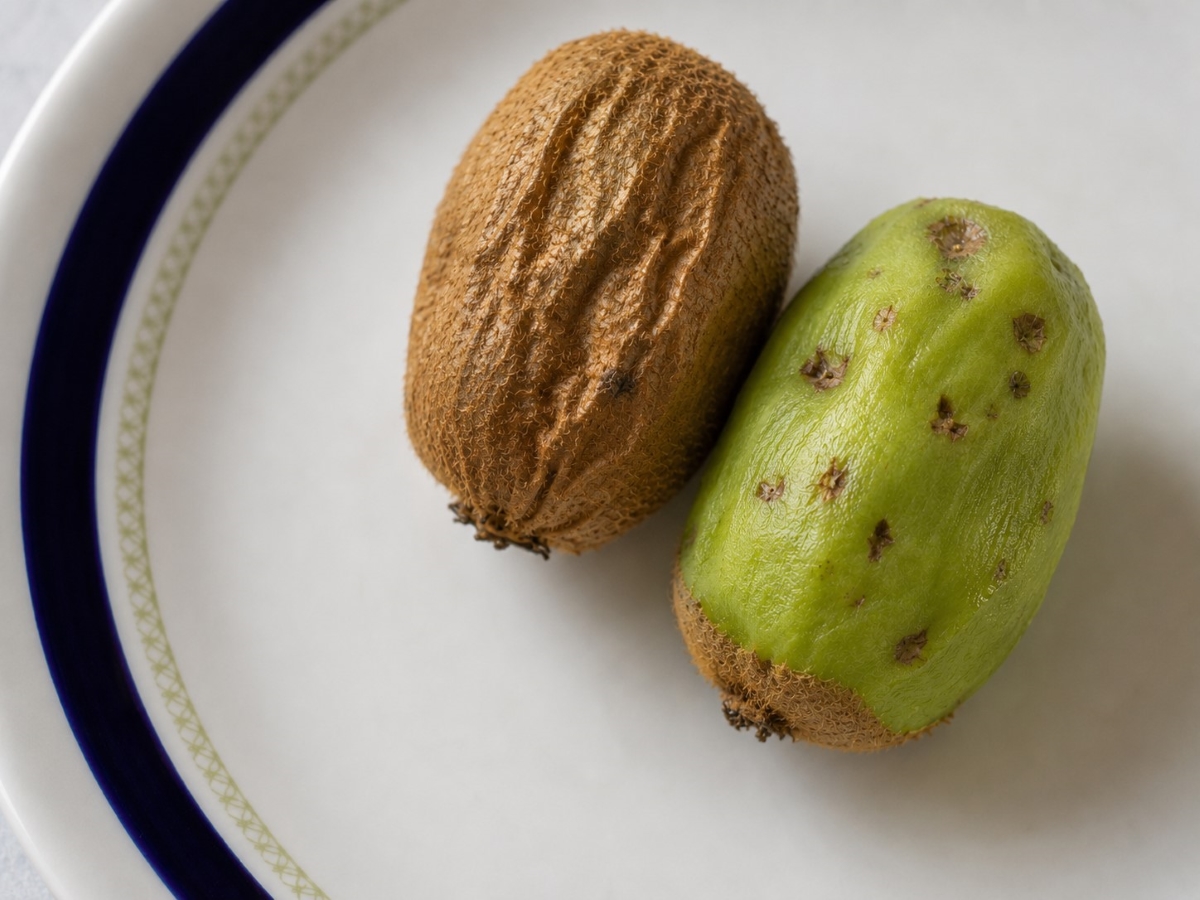
Stink bugs cannot be completely eliminated outdoors, but their numbers and the damage they cause can be reduced.
When temperatures fall, stink bugs search for warm, dry and protected overwintering sites. They leave gardens and move towards buildings, entering cracks in façades, attics, window frames, gaps beneath shutters and ventilation openings. Houses offer stable temperatures and protection from cold weather.
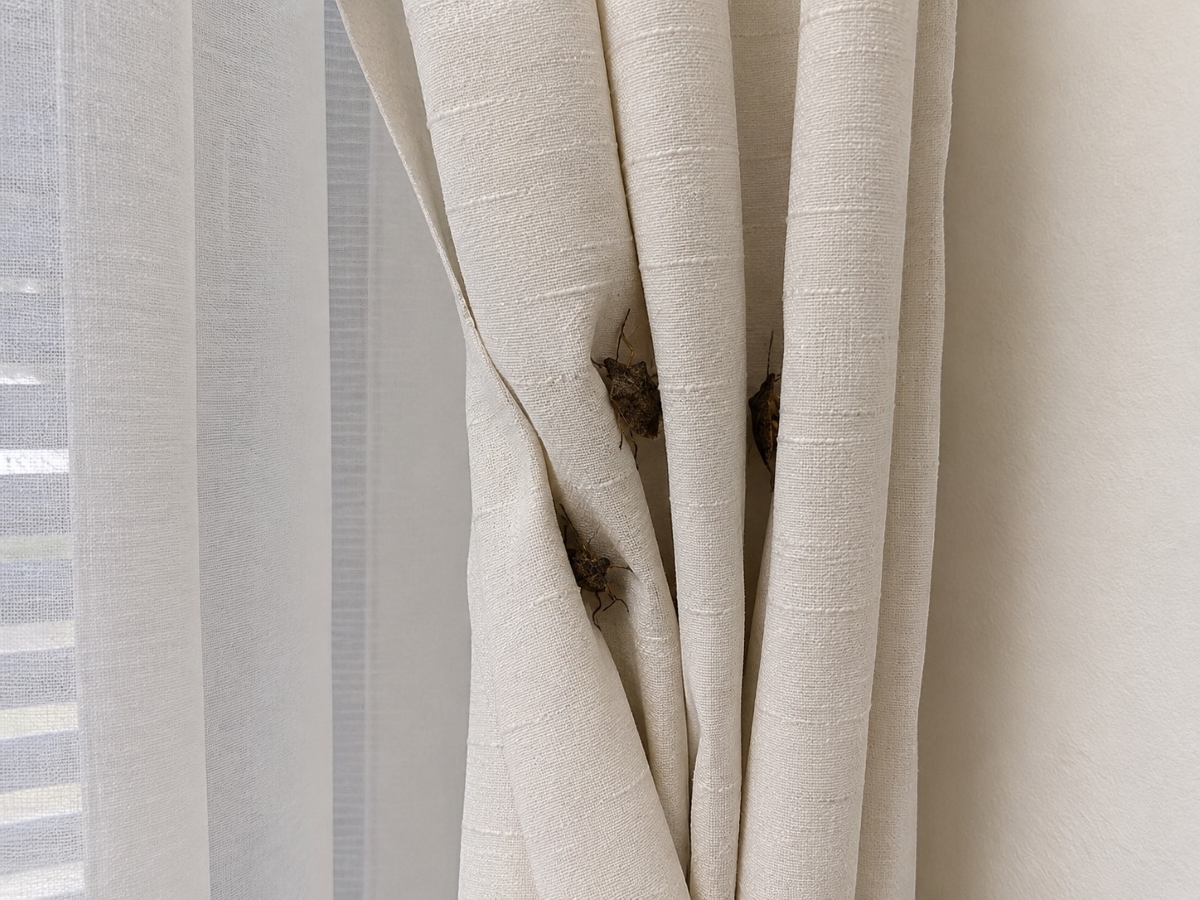
Stink bugs do not usually cause structural damage indoors, but their presence can be unpleasant. They may gather in groups and release a characteristic odour when disturbed. They remain inactive inside until warmer spring conditions return.
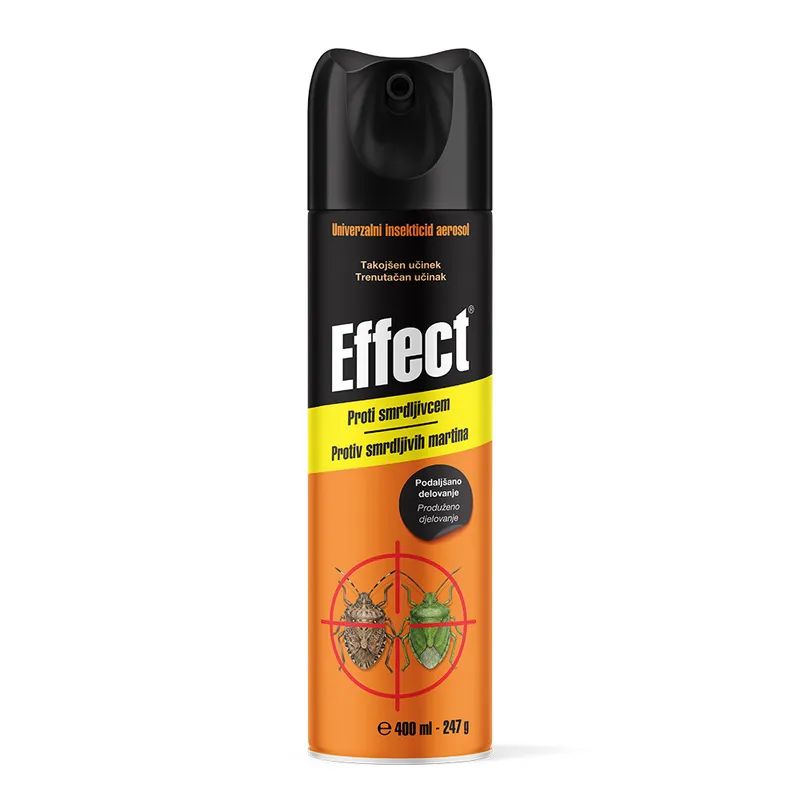
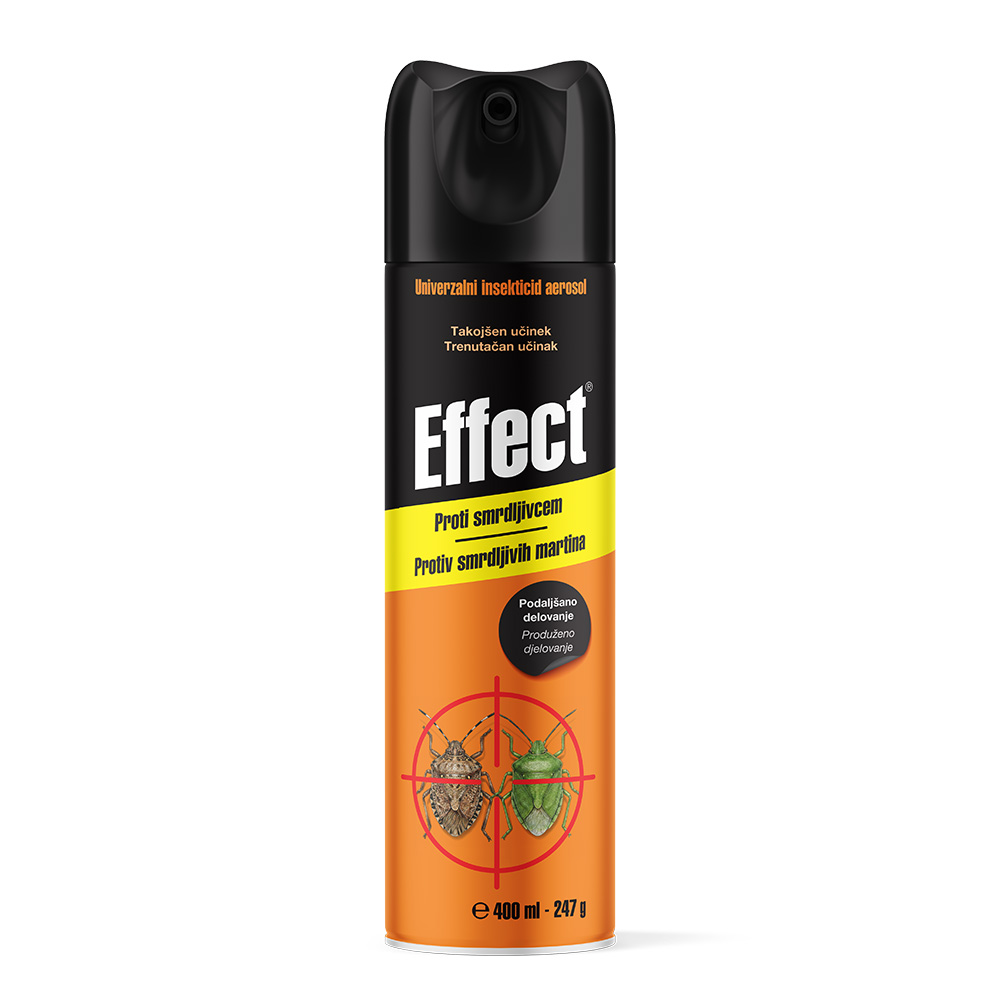
If stink bugs enter despite preventive measures, act quickly. Individual insects can be controlled with Effect Universal Insecticide Aerosol for Stink Bugs for Stink Bugs, which is specifically designed for rapid contact action in living areas.
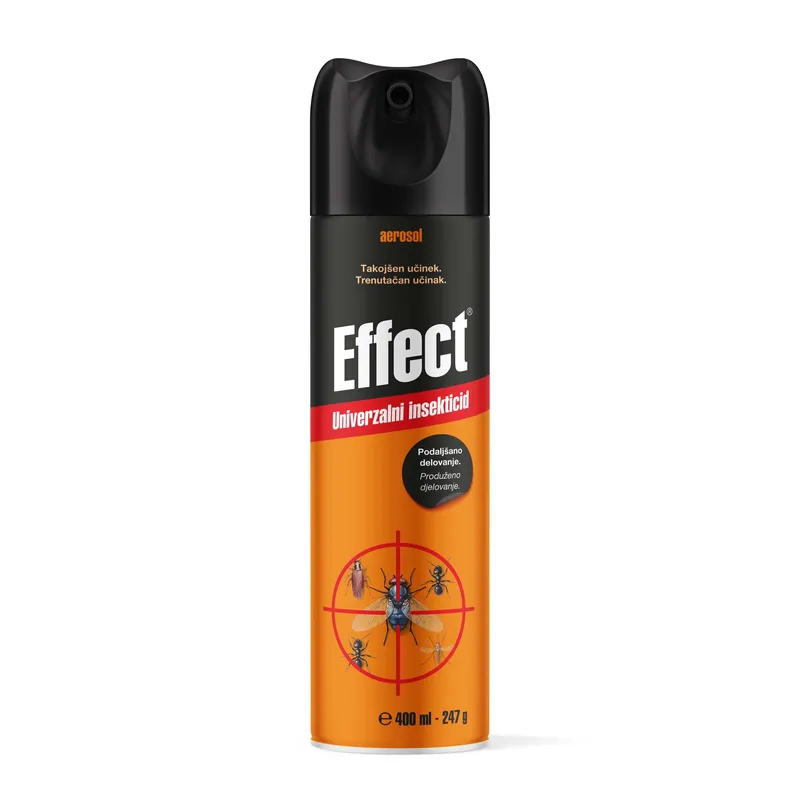
For rapid action against other flying and crawling insects as well, use Effect Universal Insecticide aerosol . Its fast contact action makes it a convenient solution for a range of household insect problems.
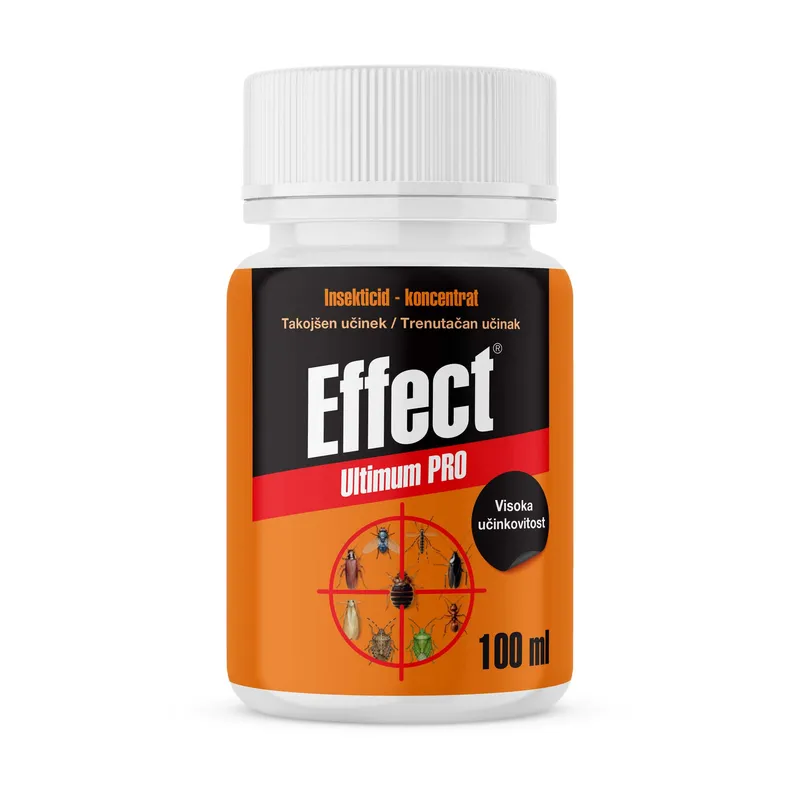
For longer-term protection, use Effect Ultimum PRO. Dilute the concentrate with water according to the product label and treat the areas where stink bugs most commonly enter or remain, including window and door frames, cracks, crevices and other potential entry points. This helps reduce their numbers and discourage repeated entry.
Complete protection against stink bugs cannot be guaranteed, but regular garden monitoring, timely action, a well-sealed building and appropriate insecticides can substantially reduce their numbers. Stink bugs will remain part of the environment, but they do not need to become part of your home.
Use biocides safely. Always read the label and product information before use.