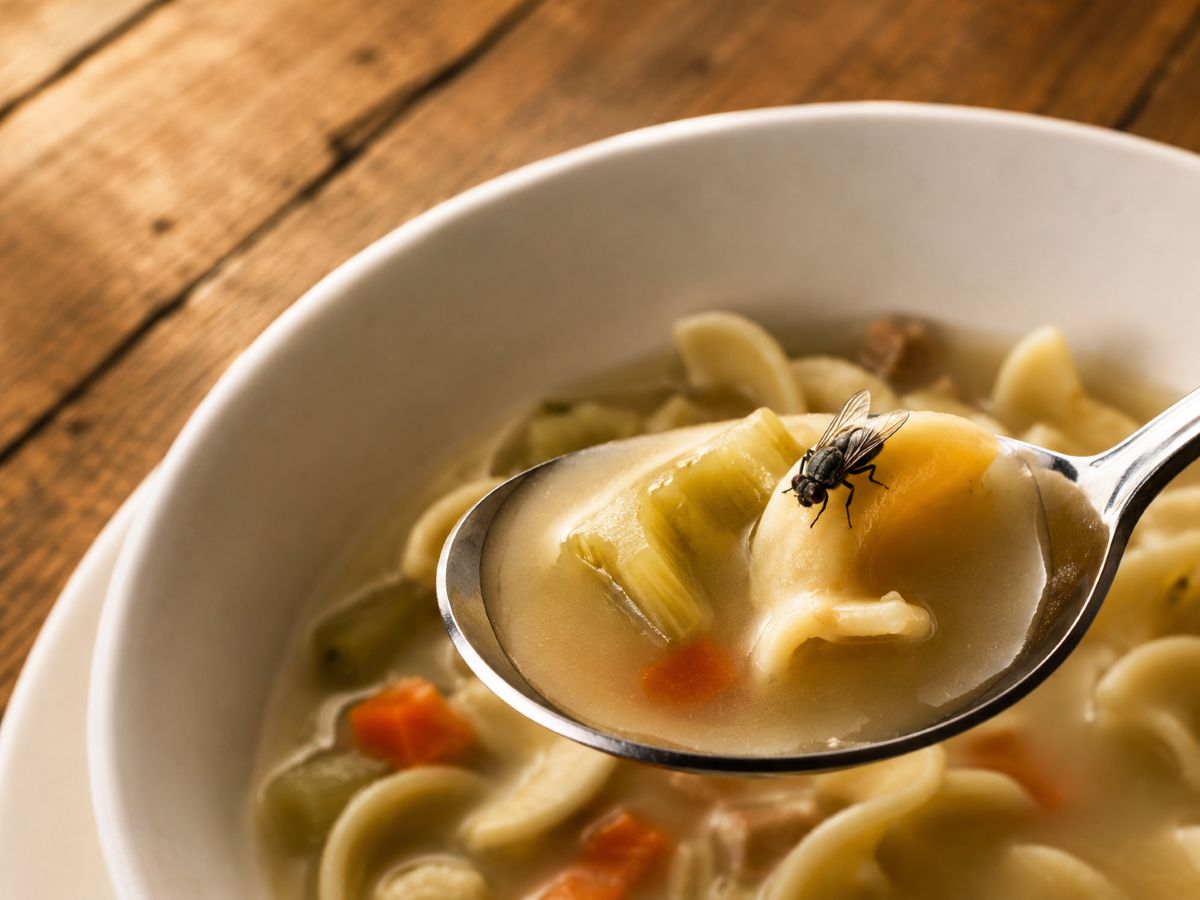
Flies

Flies are among the most common flying insects found near people and may present a hygiene risk. Because they come into contact with waste, organic material and food, they can carry various microorganisms on their bodies. Suitable preventive measures and timely control can effectively reduce their numbers.

6/30/2026

Flies – Effective Fly Control for Your Home

Flies are most common during the warmer months, when they search for food and suitable breeding sites. They are found in homes, restaurants and catering facilities, agricultural buildings, gardens and on terraces, where they can quickly become unwelcome visitors.

Although most people associate them mainly with buzzing and landing on food, their presence also creates a greater hygiene risk. Early action and suitable solutions can prevent them from breeding and improve comfort in and around the home.


Why Do Flies Appear in the Home?

Flies are mainly attracted by food, organic waste, heat and moisture. They usually enter indoor spaces through open windows and doors, especially during summer.

The most common attractants include:

  • food residues,
  • organic waste,
  • compost bins,
  • pet food,
  • ripe fruit and vegetables,
  • open waste containers,
  • heat and moisture.

Because flies reproduce rapidly, even a small source of attraction may result in a large number of flies.

Why Are Flies a Problem?

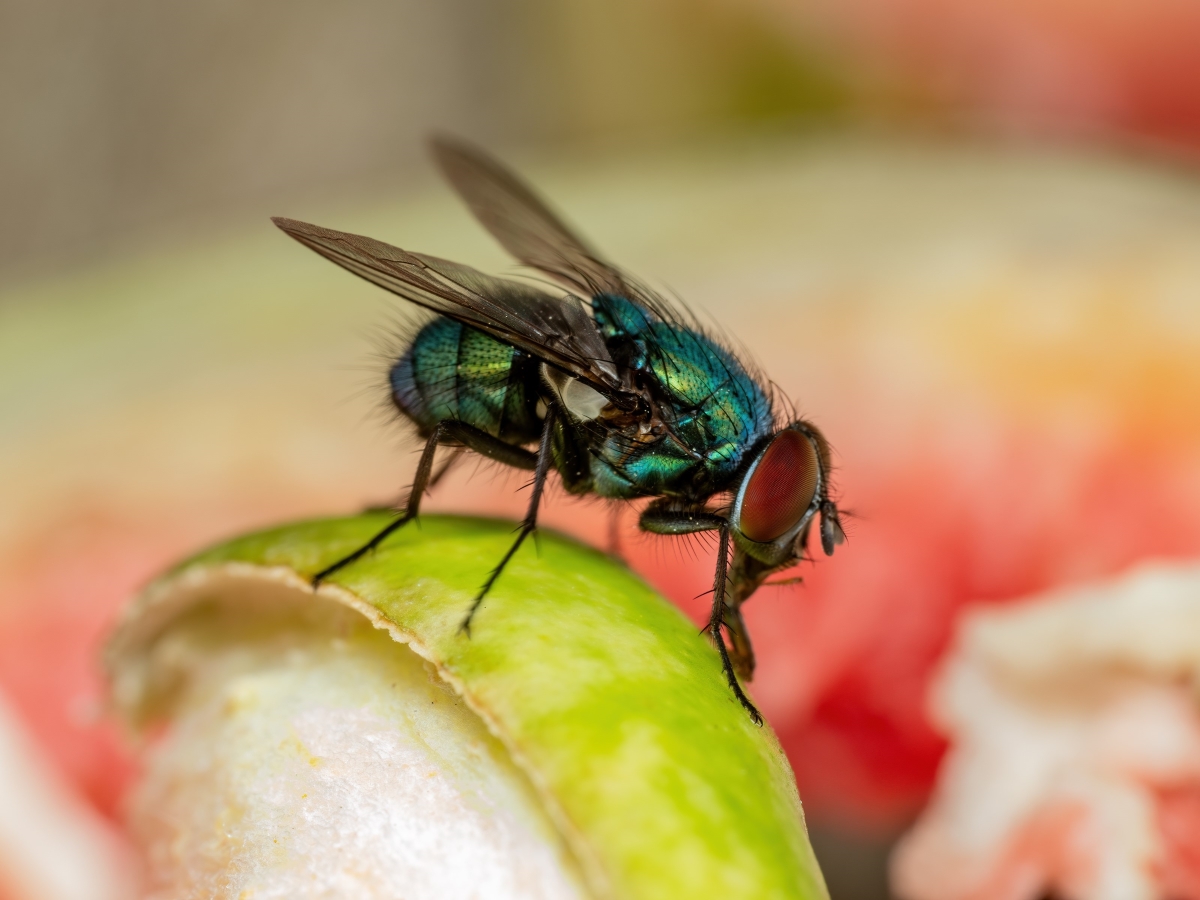
Flies are not merely irritating visitors; they may also present a hygiene risk. While searching for food, they come into contact with various surfaces and then land on kitchen worktops, dining tables and food.

Their presence may cause:

  • food contamination,
  • the transfer of bacteria and other microorganisms,
  • poorer hygiene conditions,
  • irritating buzzing and disruption indoors,
  • rapid population growth under favourable conditions.

A single female may lay several hundred eggs during her lifetime, so it is advisable to act as soon as the first signs appear.

Where Are Flies Most Commonly Found?

Flies prefer places where food, moisture and suitable egg-laying sites are available.

They are most commonly found:

  • in kitchens,
  • in dining areas,
  • in pantries,
  • around waste bins,
  • on terraces and balconies,
  • near fruit and vegetables,
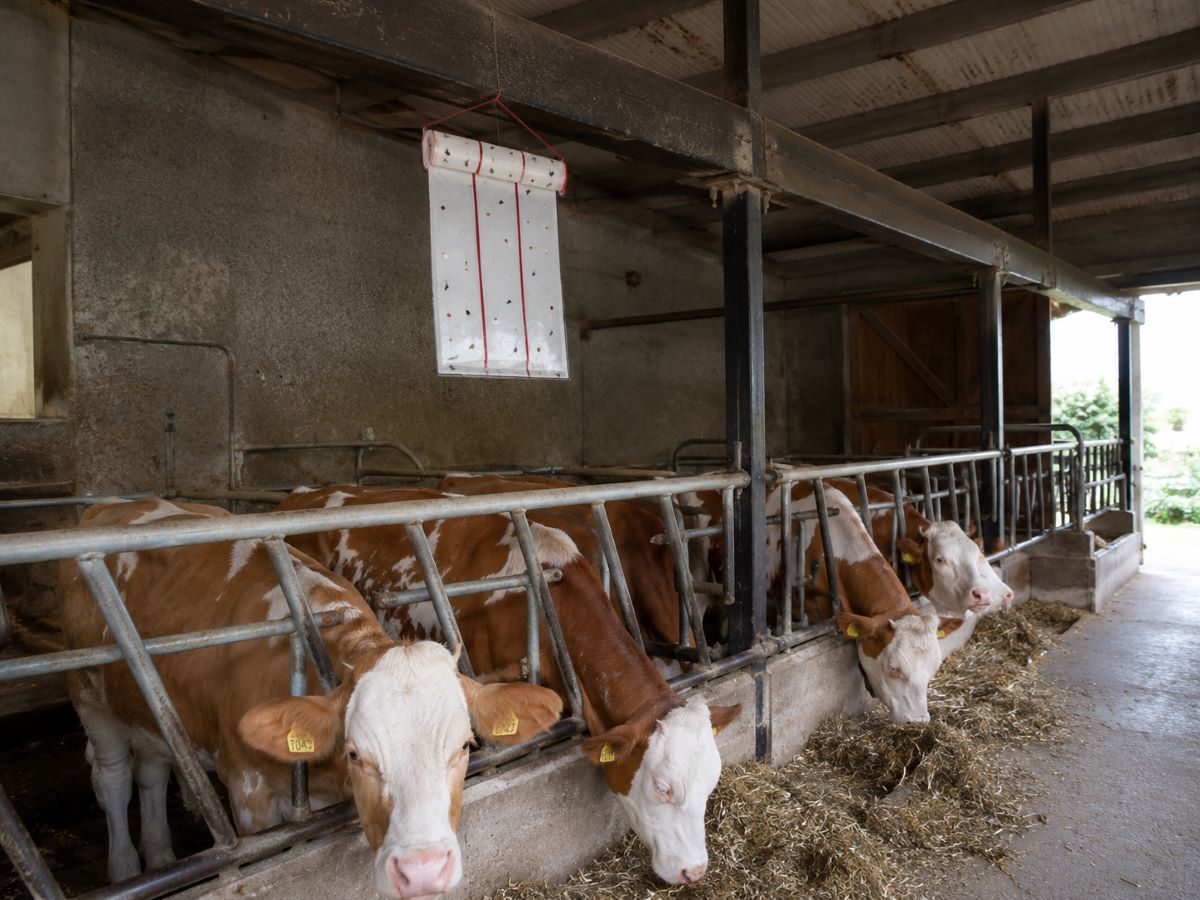
  • in stables and agricultural buildings,
  • around compost bins.

Indoors, flies are often seen near windows because they are attracted by daylight.

How Can You Recognise a Fly Infestation?

The presence of flies is usually easy to notice because they are attracted to food, waste and light. Individual flies may enter a room by chance, but larger numbers often indicate suitable breeding conditions nearby.

The most common signs of fly activity are:

  • flies moving around indoors,
  • flies landing on food, kitchen surfaces and waste,
  • increased numbers of flies near windows and lights,
  • characteristic buzzing,
  • small dark spots on window frames, walls or light fittings,
  • larvae in organic waste or waste containers.

If flies appear indoors every day, it is advisable to check for possible food sources or nearby breeding sites.

How Can You Get Rid of Flies Effectively?

Successful fly control is based on a combination of preventive measures and suitable products. In addition to removing individual flies, it is important to limit the conditions that allow them to reproduce.

To reduce their numbers effectively, we recommend:

✔ regularly removing household and organic waste,

✔ storing food in sealed containers,

✔ cleaning kitchen surfaces regularly,

✔ fitting insect screens to windows and doors,

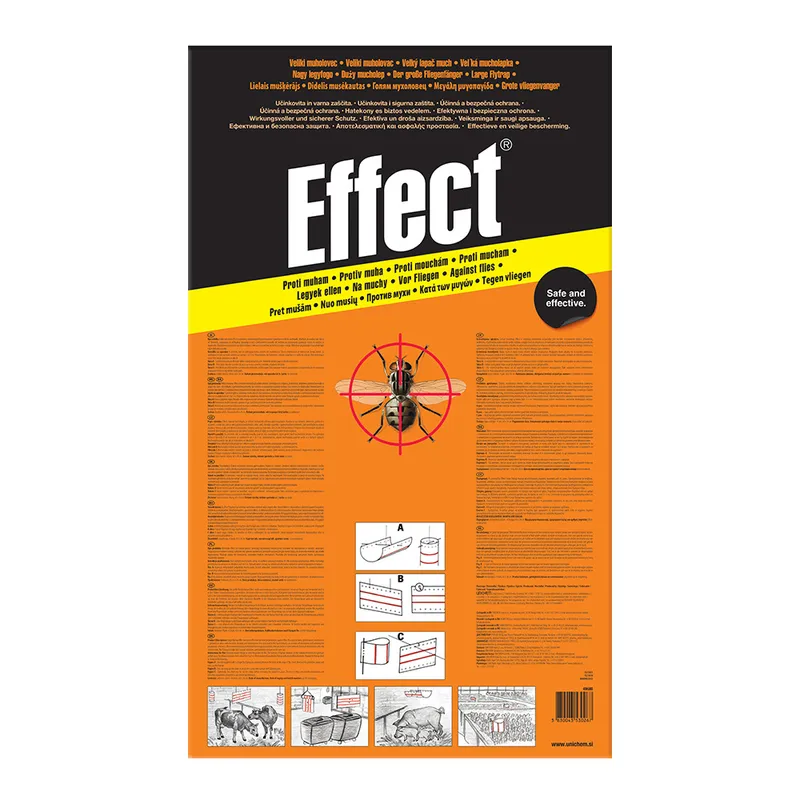
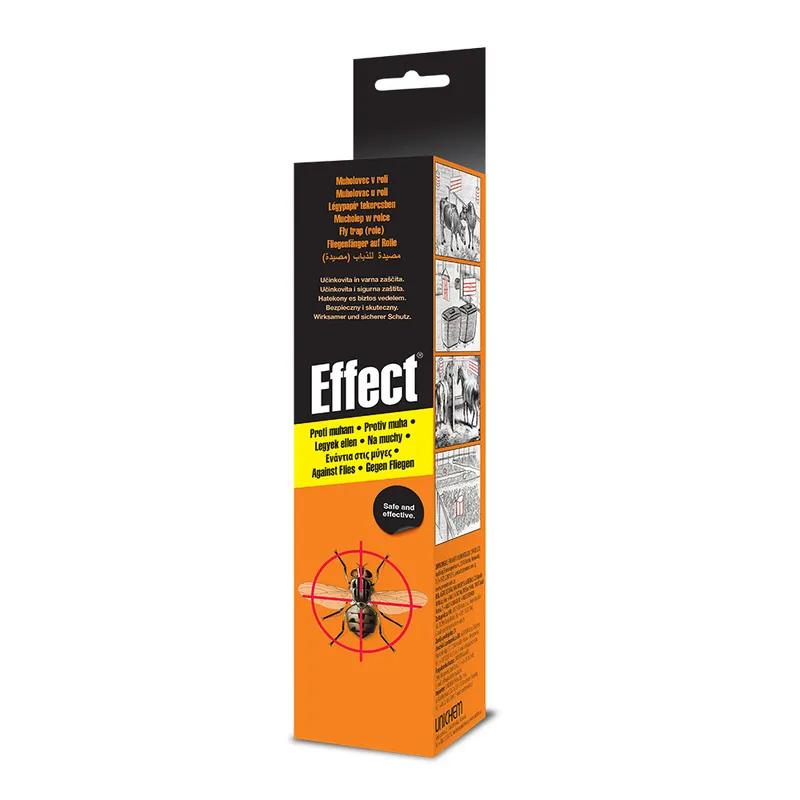
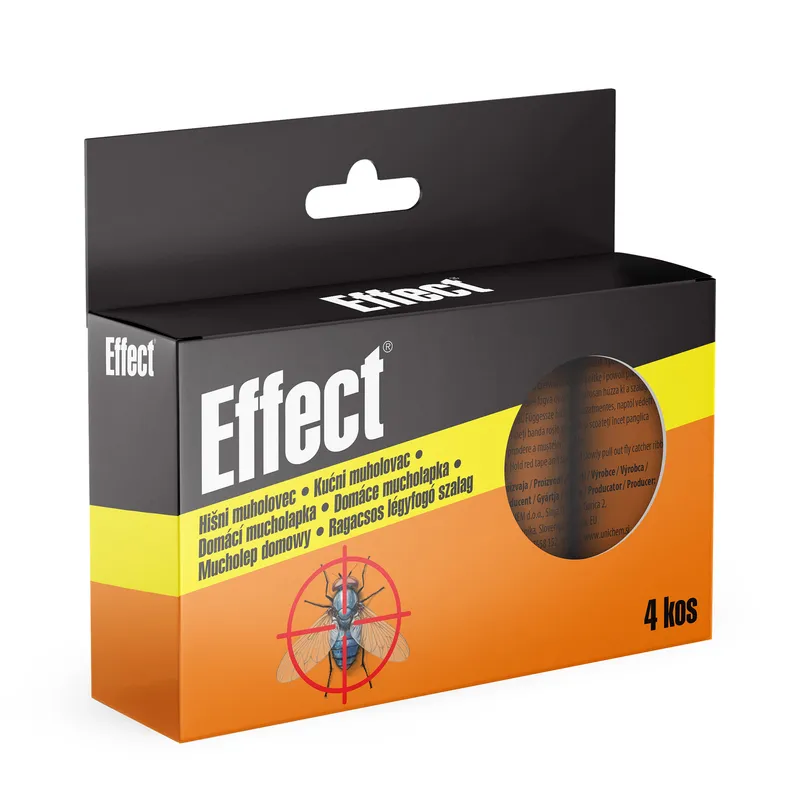
✔ using mechanical traps and adhesive fly strips,

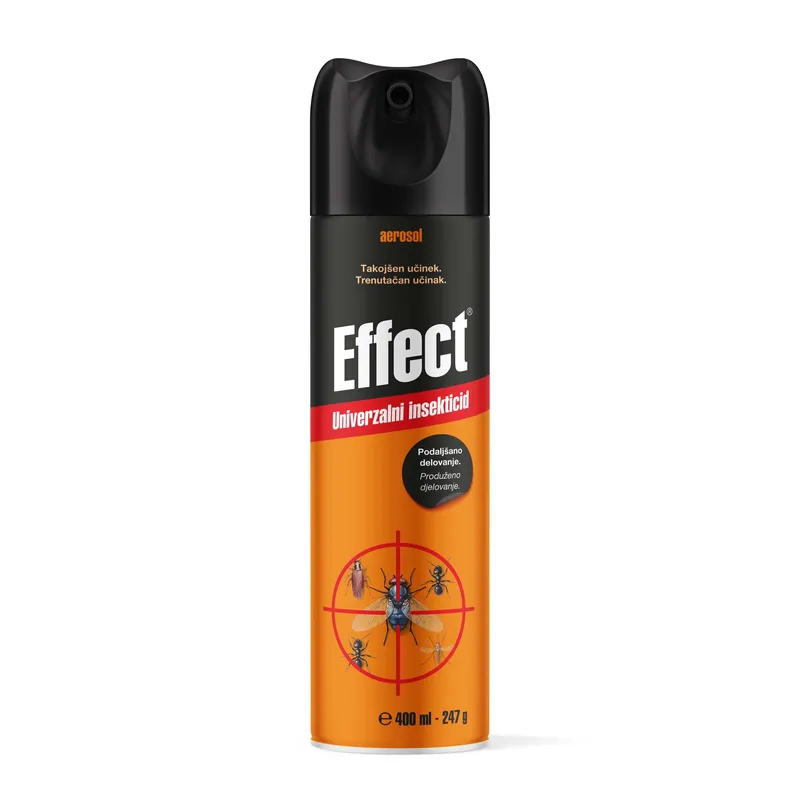
✔ using insecticides when fly activity is high.

Early action can prevent flies from multiplying rapidly and improve hygiene conditions in and around the home.

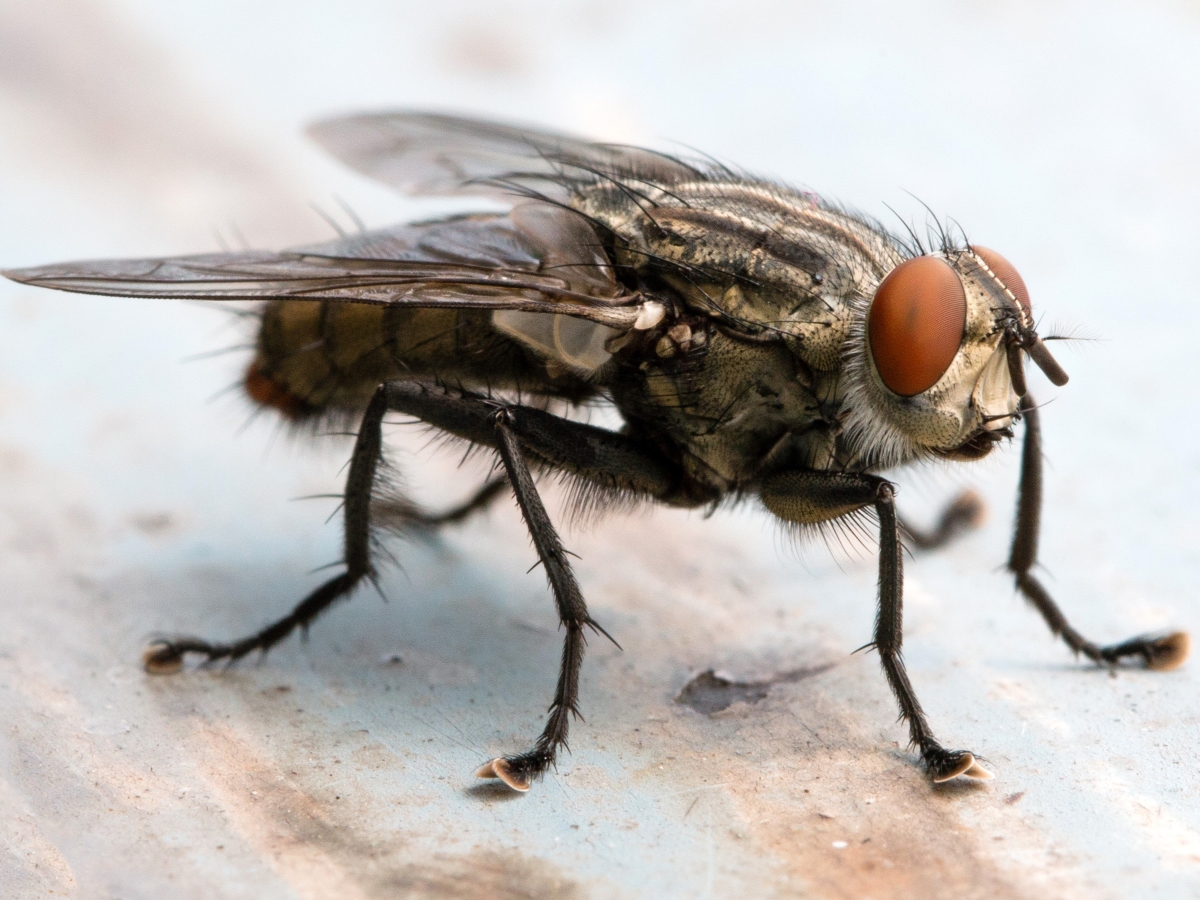
House Fly (Musca domestica)

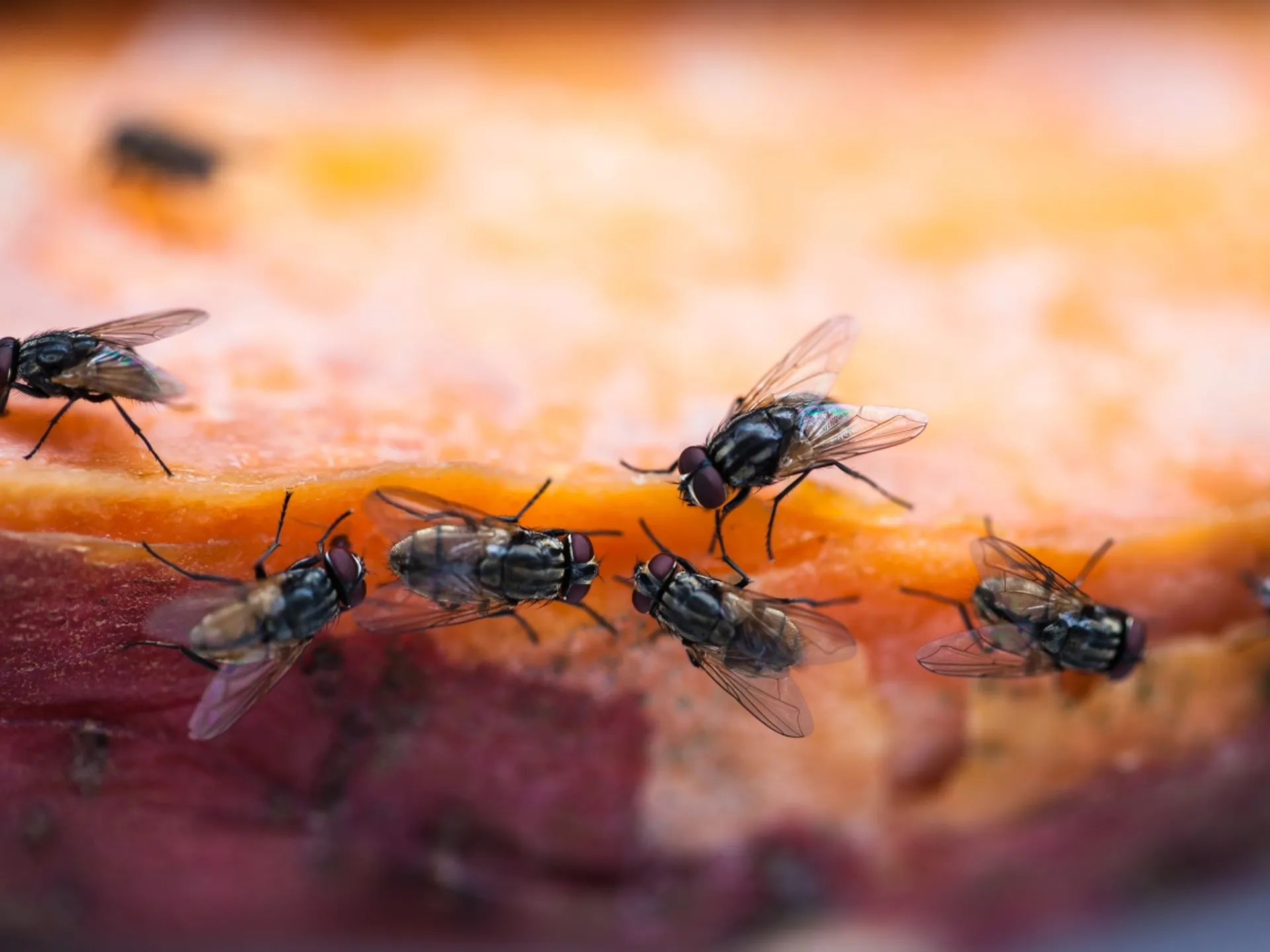
The house fly is the species most commonly found in homes, restaurants, catering facilities and agricultural buildings. It is attracted by food, organic waste and other organic material. Because it frequently comes into contact with different surfaces, it may carry microorganisms on its body.

Stable Fly (Stomoxys calcitrans)

The stable fly resembles the house fly, but unlike the house fly, it bites people and animals. It is most commonly found in stables, on farms and near domestic animals.

Interesting Facts About Flies

  • Flies taste food using sensory receptors on their feet, which is why they often walk over food before feeding.
  • A female house fly may lay several hundred eggs during her lifetime.
  • In warm conditions, development from egg to adult fly may be completed in only one to two weeks.
  • Flies have compound eyes that provide an almost 360-degree view of their surroundings.
  • Because they reproduce so rapidly, fly populations may increase dramatically during the summer months.


Frequently Asked Questions (FAQ)

Why are there so many flies in my home?

Flies are attracted by food residues, organic waste, ripe fruit and heat. If suitable breeding conditions are available, their numbers can increase rapidly.

How can I get rid of flies effectively?

The best results are achieved by combining preventive measures, such as regular waste removal and surface cleaning, with mechanical traps or insecticides.

Can flies transmit diseases?

Because flies come into contact with waste, faeces and other unhygienic surfaces, they may carry various microorganisms on their bodies. It is therefore important to prevent contact with food.

How can I prevent flies from entering my home?

We recommend fitting insect screens to windows and doors, removing waste regularly and storing food in sealed containers.

When are flies most common?

Flies are most active during the warmer months, particularly from late spring until early autumn. Their numbers increase at higher temperatures and where food and moisture are readily available.