

Flies in the Home: Risks, Reproduction and Effective Protection

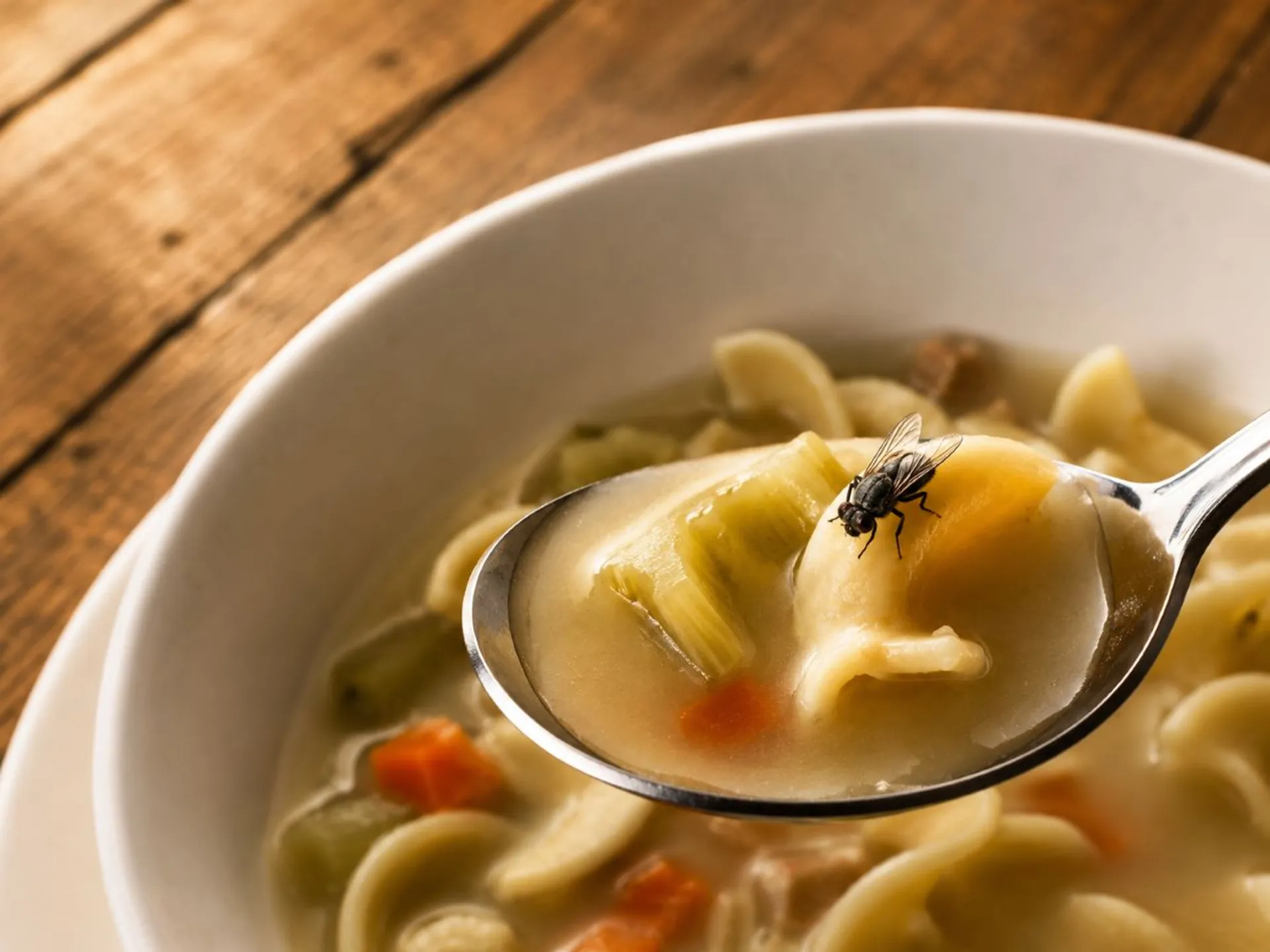
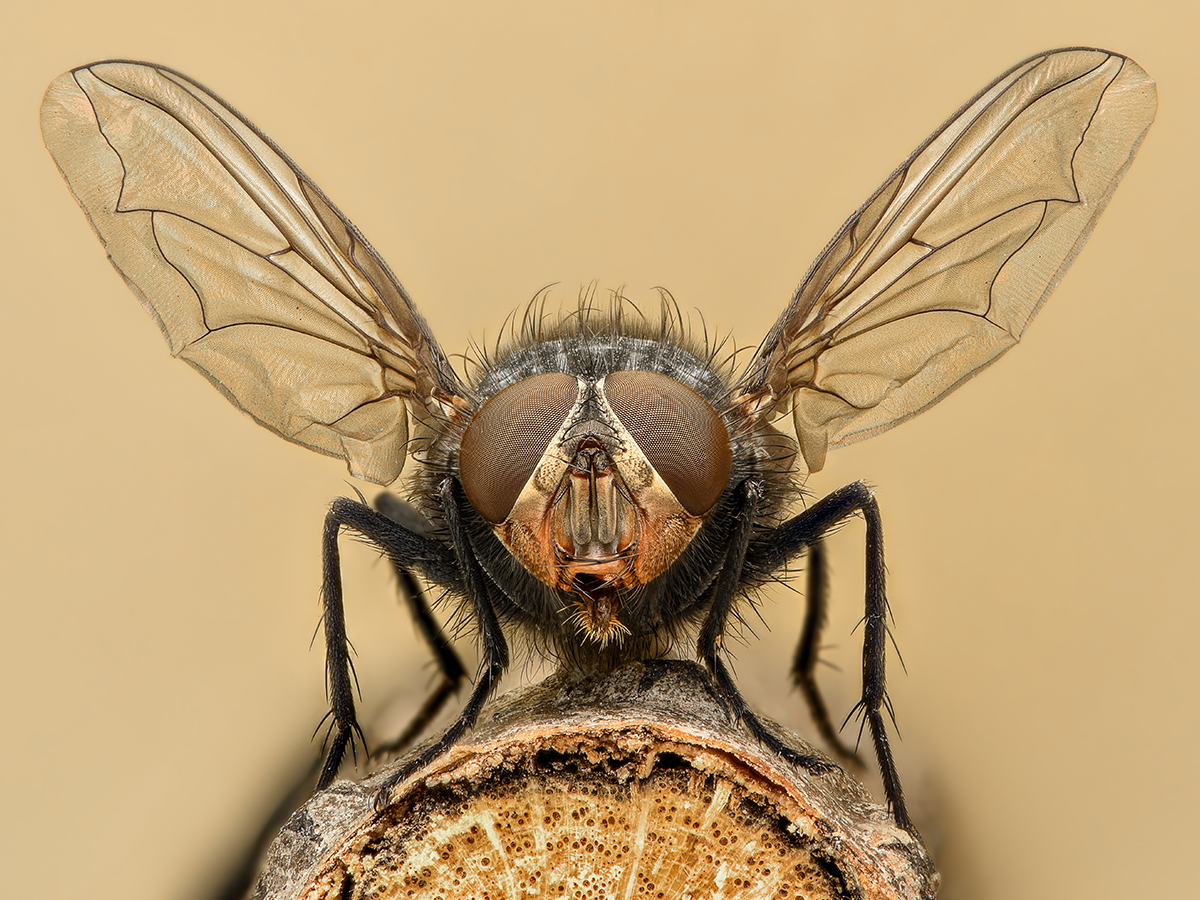
As warmer weather arrives, house-fly activity increases. House flies are among the most common pests in living environments. In addition to being irritating, they can pose a hygiene risk by transferring microorganisms from contaminated surfaces to food.

7/8/2026

High temperatures allow house flies to reproduce extremely quickly. At temperatures between 25°C and 35°C, a single female may lay up to 500 eggs during her lifetime, and under ideal conditions development from egg to adult may take only a few days. Early action is therefore essential for preventing large numbers of flies in the home, garden or farm buildings.

Where Do House Flies Most Commonly Breed?

House flies require three main conditions for successful reproduction: warmth, moisture and a source of decomposing organic matter. Once a suitable site is found, a female may lay up to 500 eggs, usually in batches of 100-150.


In households, eggs are most commonly laid in:

  • rotting or forgotten food,
  • organic waste in bins,
  • compost bins,
  • sink drains and traps,
  • spilled sweet drinks,
  • poorly cleaned waste containers.

Larvae may hatch within 12-24 hours and begin feeding on decomposing organic matter. With abundant food and favourable temperatures, they develop rapidly and then pupate in dark, warm and humid corners. Adult flies emerge after several days and can begin reproducing shortly afterwards, allowing the population to increase very quickly.

Removing food sources and maintaining good hygiene are therefore among the most important measures for preventing large fly populations in homes and agricultural buildings.

Effective Solutions for House-Fly Control

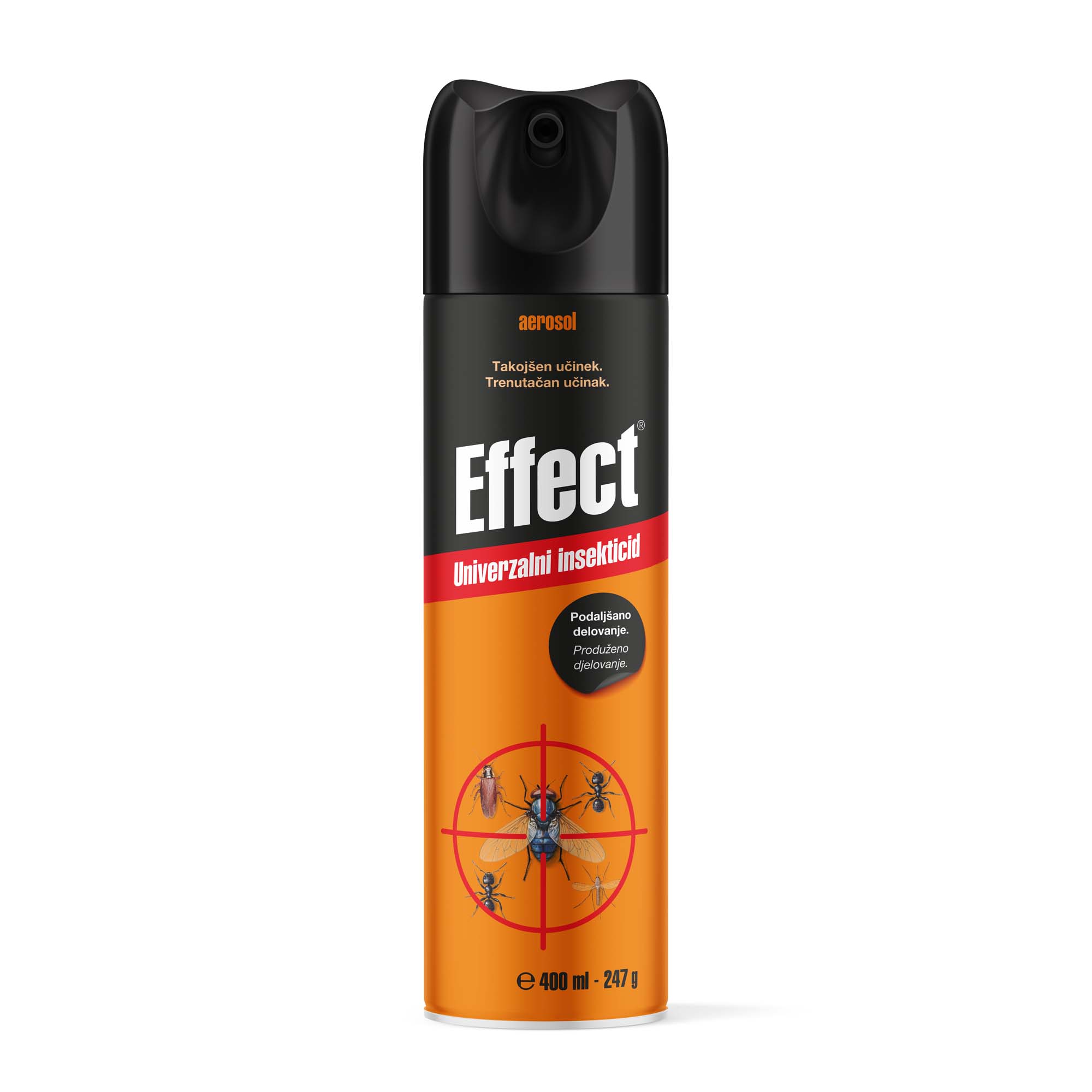
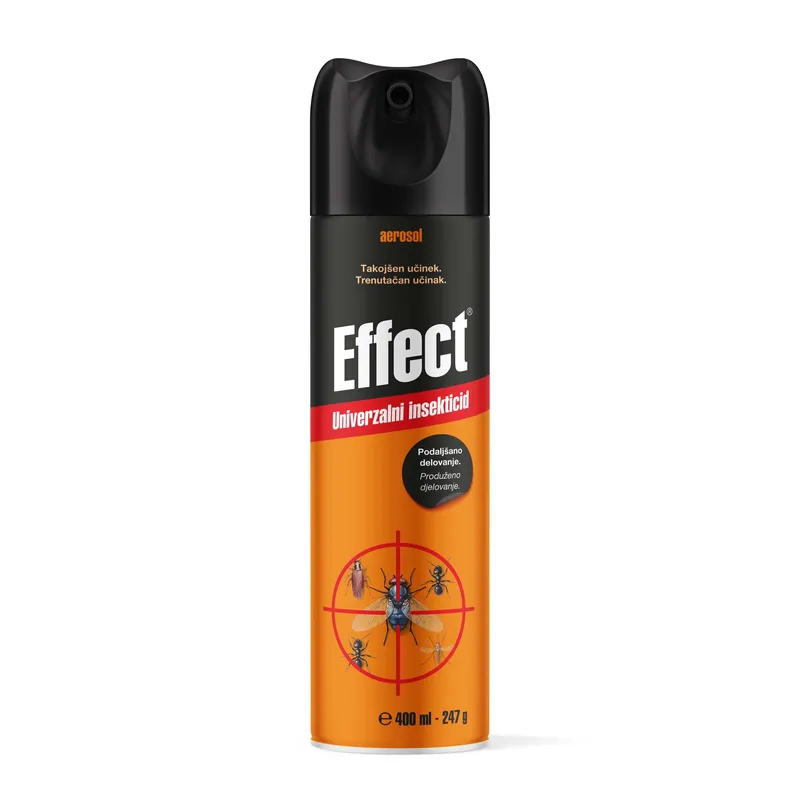
Once the population increases, preventive measures alone may no longer be sufficient. For rapid control, use Effect Univerzalni insekticid aerosol. It provides immediate action with extended residual performance. Its formulation also includes a pleasant fragrance.

Triple Action of Effect Universal Insecticide Aerosol:

  1. Immediate action - rapidly controls flying and crawling insects on contact.
  2. Extended protection - provides residual insecticidal action on treated surfaces.
  3. Pleasant fragrance - leaves the room smelling fresh after use.
Effect univerzalni insekticid aerosol

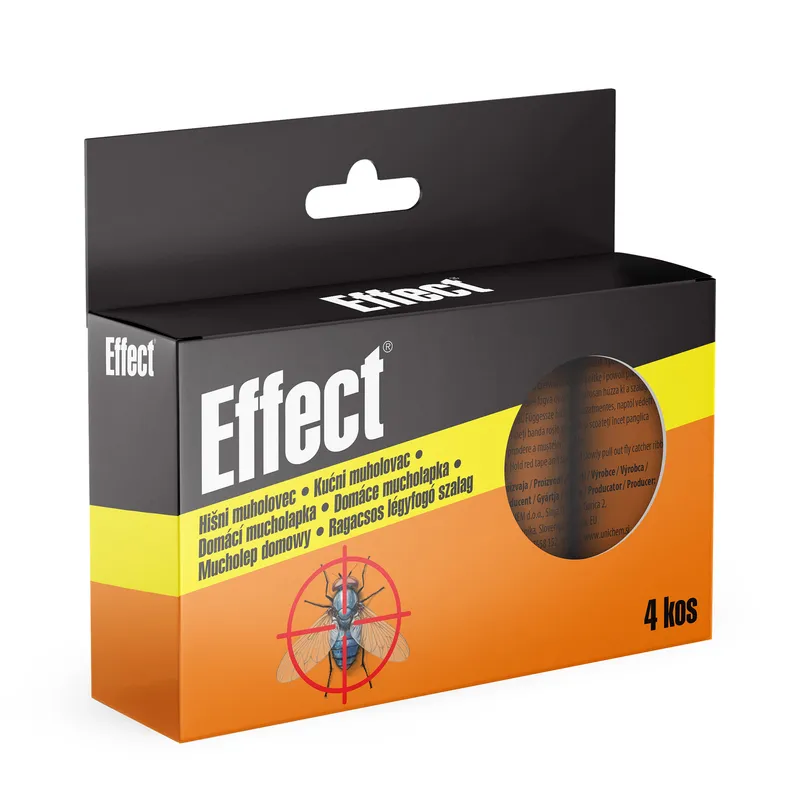
Additional protection can be provided by Effect hišni muholovec, which help monitor and reduce fly populations indoors. The best results are achieved by combining preventive measures with targeted use of insecticides in areas where flies most commonly rest.

Preventive measures include consistent cleaning of kitchen surfaces, prompt removal of organic waste, drain cleaning, keeping food covered and installing insect screens on windows and doors. Fans positioned near entrances may also help because flies have difficulty flying against strong air currents. Most importantly, act with Effect before fly numbers increase significantly.


Use biocides safely. Always read the label and product information before use.