When Flies Begin to Affect Animal Welfare in Stables

Flies in stables are more than an irritating nuisance. They can negatively affect animal welfare, building hygiene and livestock-management conditions. Learn why effective fly control matters and how to reduce the population.

7/7/2026

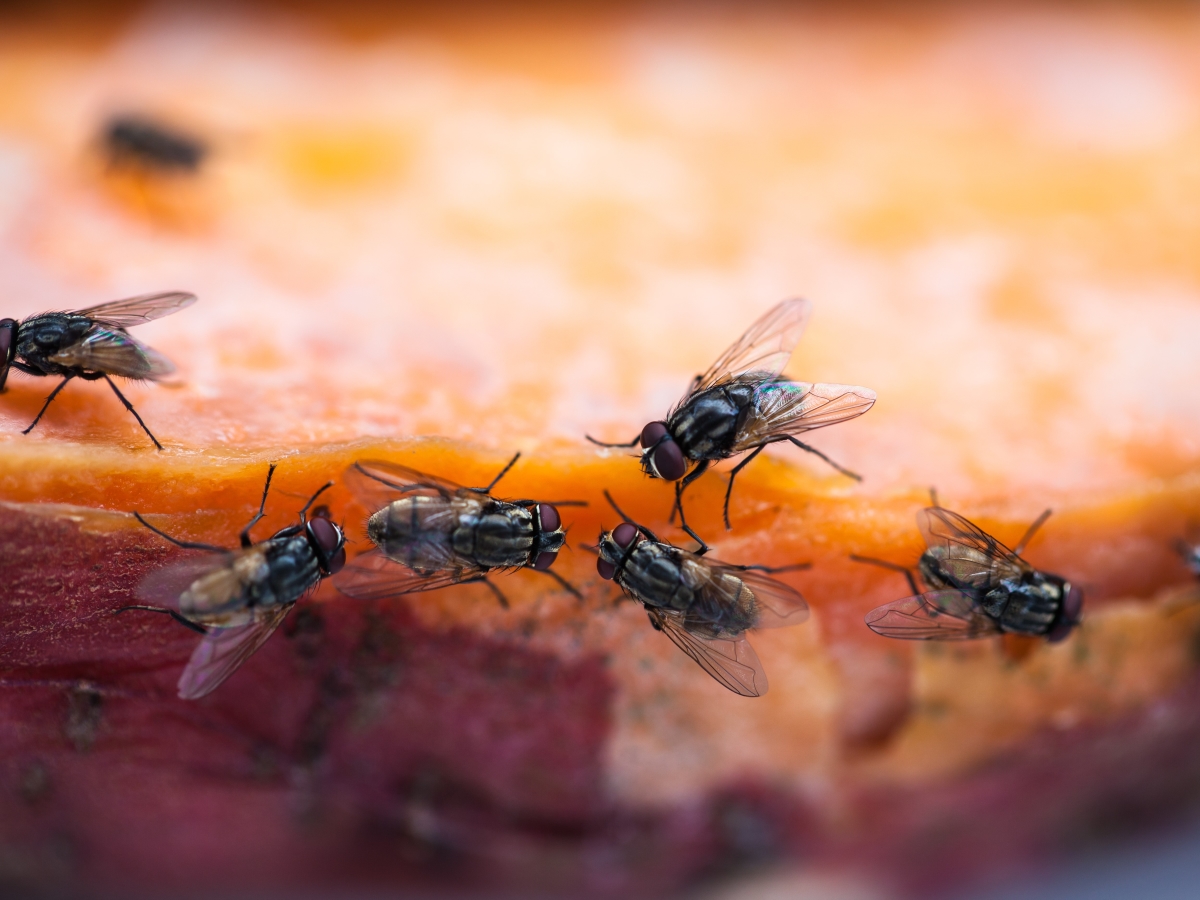
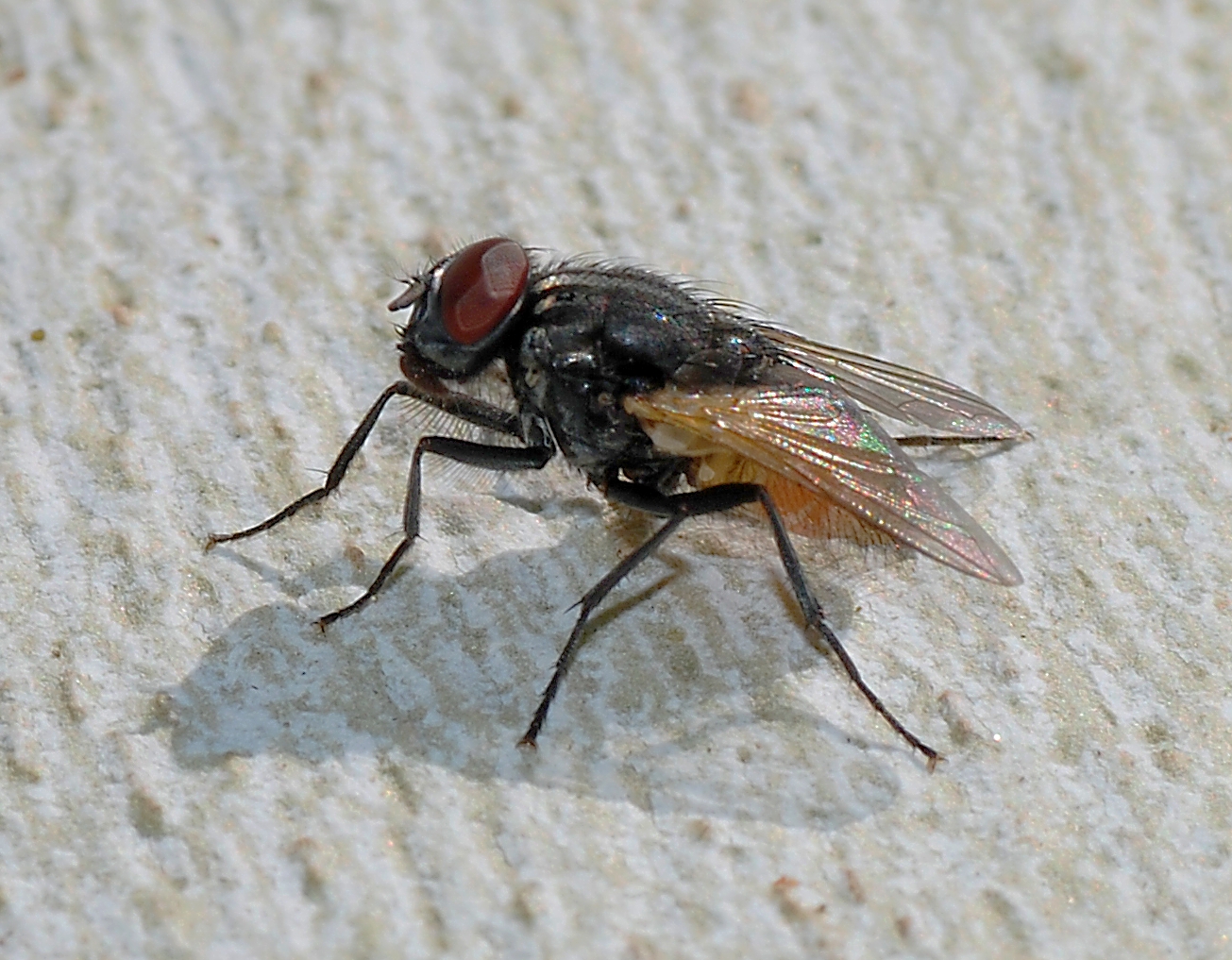
Flies are among the most common pests in stables and other livestock buildings. Although they are often regarded mainly as an annoyance, their presence can significantly affect animal comfort, building hygiene and overall husbandry conditions.

Flies gather around the eyes, nostrils, ears and wounds and repeatedly disturb animals. Affected animals may become restless, spend less time resting and use more energy. Large fly populations create additional stress, affecting animal welfare and the quality of livestock management.


Why Are Stables an Ideal Environment for Fly Development?

Stables provide almost everything flies need: warmth, moisture and abundant organic matter. Manure, animal waste, feed residues and damp bedding are ideal sites for egg laying and larval development.

The principal challenge is the speed of reproduction. A female house fly can lay several hundred eggs during her lifetime, while development from egg to adult may take less than two weeks under favourable conditions. A small population can therefore become a serious building-wide problem very quickly. Late intervention makes control much more difficult, so preventing fly development at an early stage is essential.

Flies Are a Hygiene Problem, Not Just a Nuisance

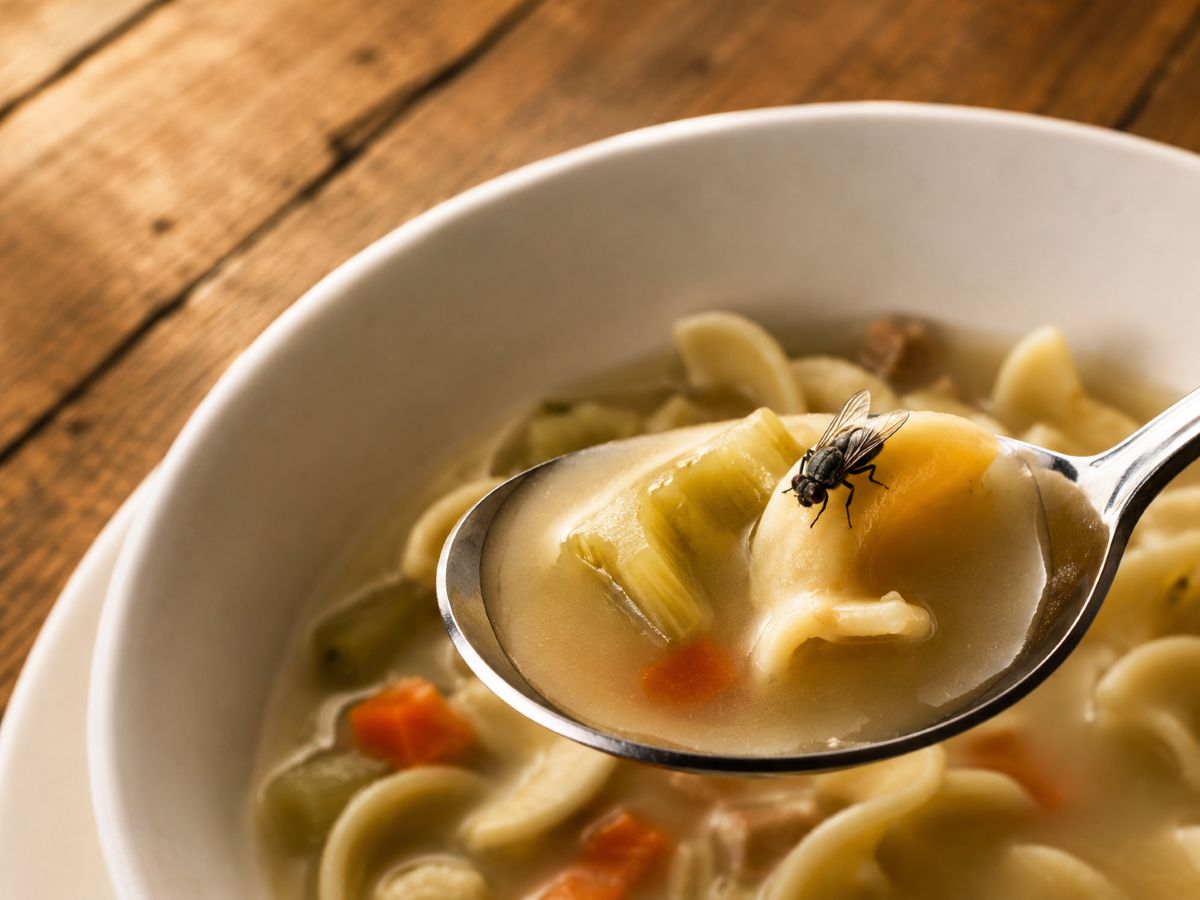
Flies do not remain only inside stables. They move between manure stores, feed, drinking equipment and other surfaces while searching for food and resting places. They may also enter nearby homes and other premises. During this movement, they can mechanically transfer microorganisms and contamination.

High fly activity commonly means:

  • poorer hygiene in the building,
  • greater contamination of surfaces and equipment,
  • more work required to maintain cleanliness,
  • increased stress for animals,
  • poorer working conditions for farmers and employees.

This makes flies one of the most important pests in livestock facilities.

Effective Management Begins with Prevention

The best results are achieved before the population becomes extensive. Important preventive measures include:

  • removing manure and animal waste regularly,
  • keeping bedding dry and clean,
  • removing feed residues promptly,
  • ensuring good ventilation,
  • reducing excess moisture,
  • cleaning drinkers and feeders regularly.

These measures reduce the number of sites where flies can breed and develop.

Effective Fly Control with Mechanical Traps

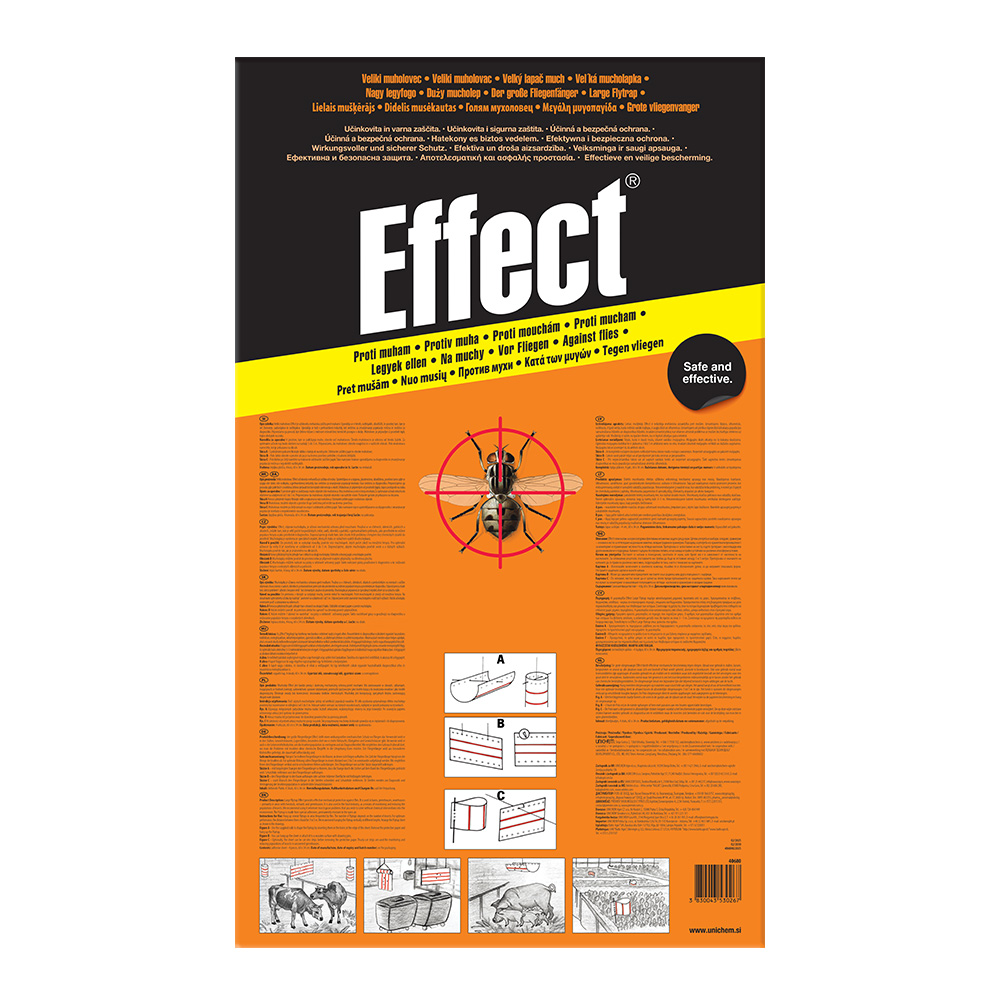
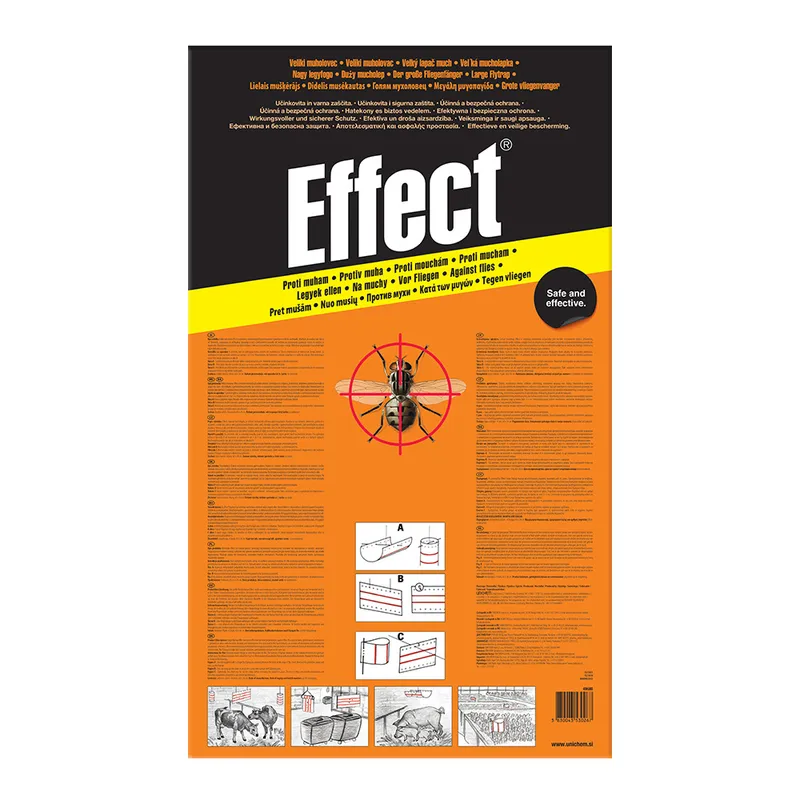
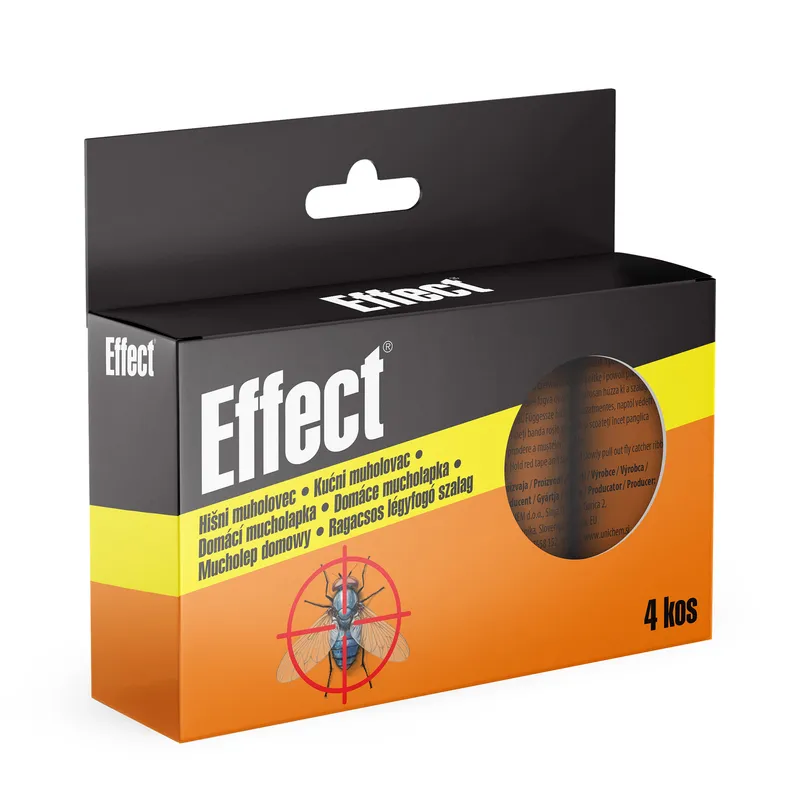
In addition to hygiene and, where appropriate, authorised insecticides, mechanical traps are valuable for continuous fly management. Effect Large Stable Fly Catcher Sheets provide an effective solution for reducing adult flies and other flying insects in stables, feed stores and other agricultural buildings.

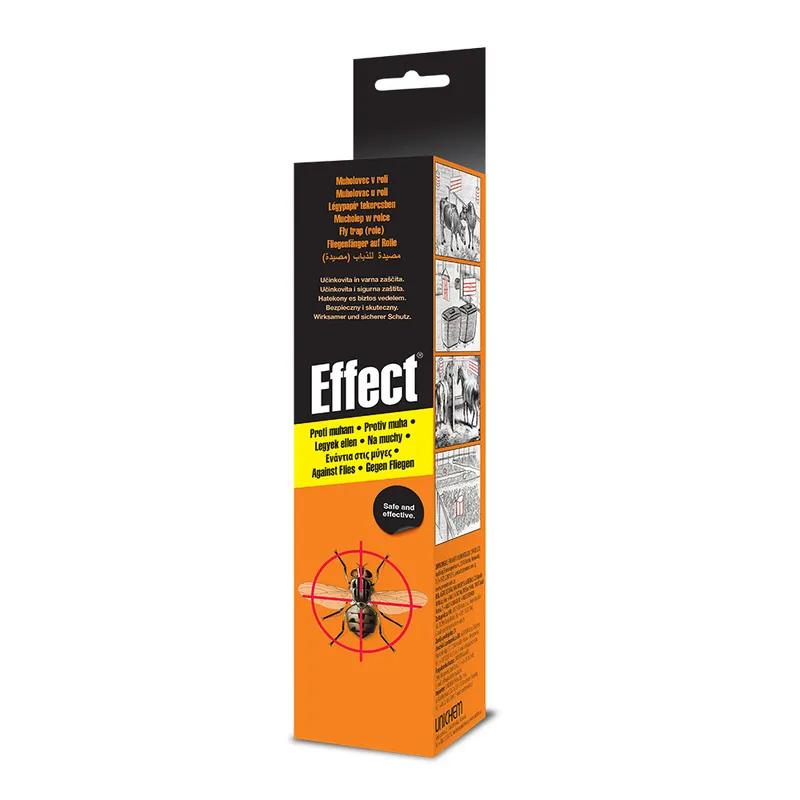
Effect Fly Catcher Roll is another practical option. Its large adhesive surface continuously captures flies and also helps monitor the intensity of activity. This allows the user to assess conditions and adjust other control measures in time.

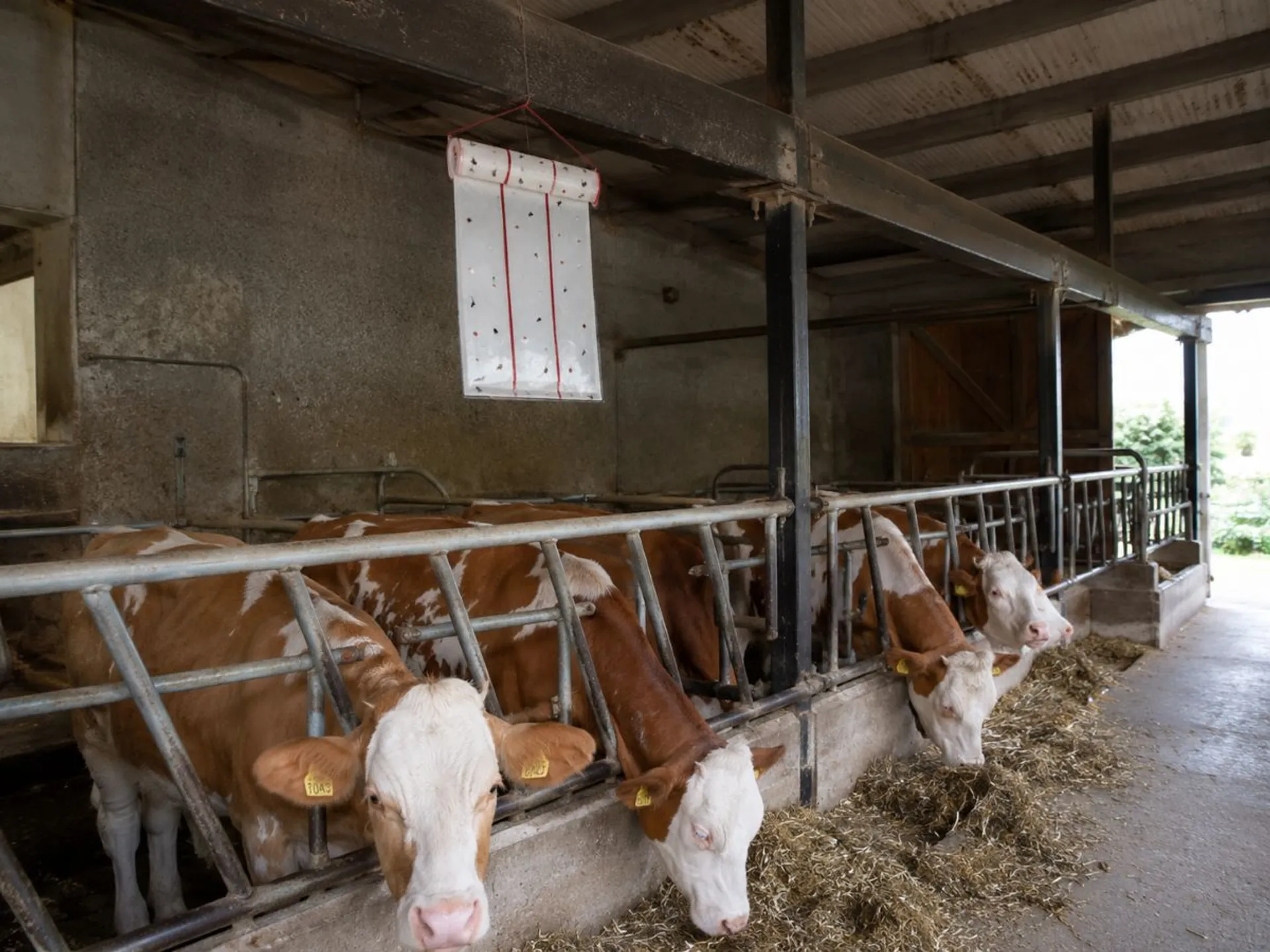
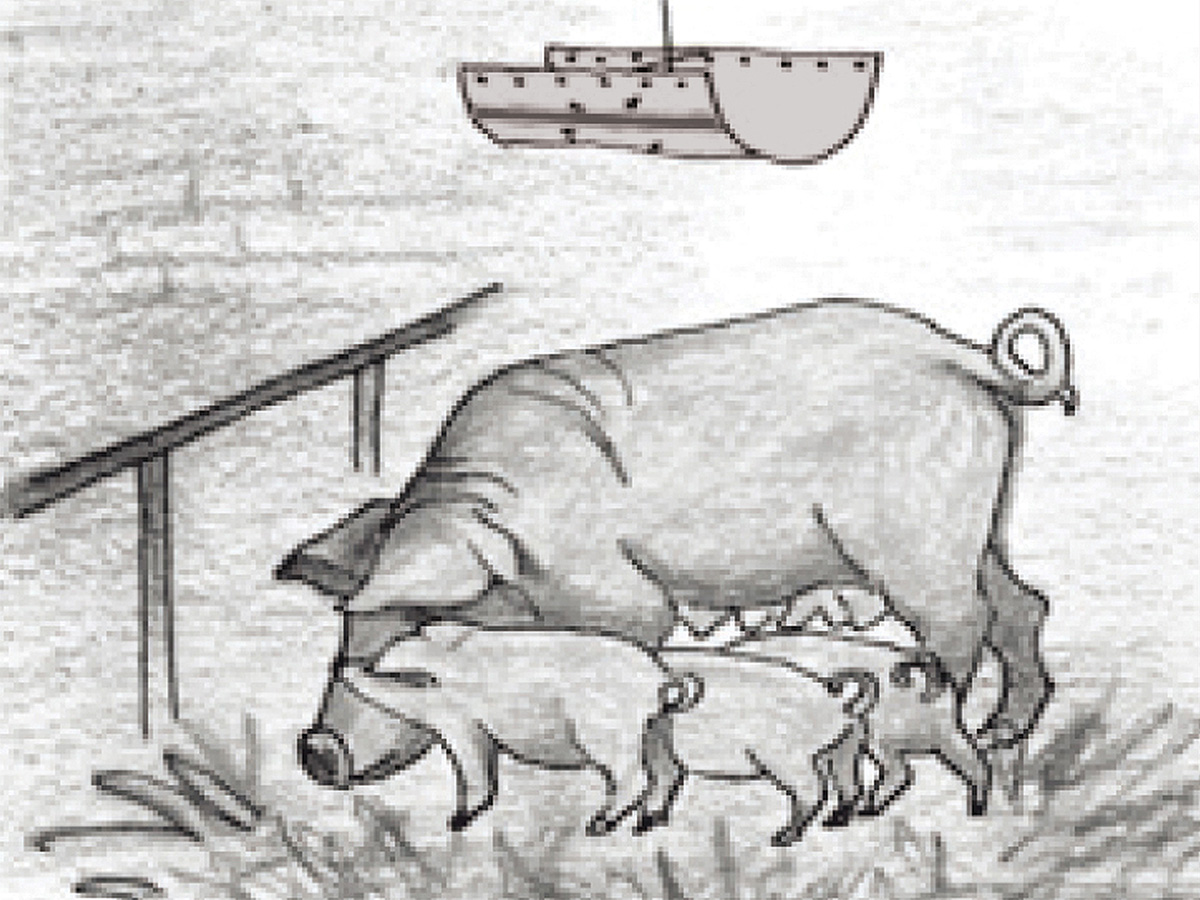
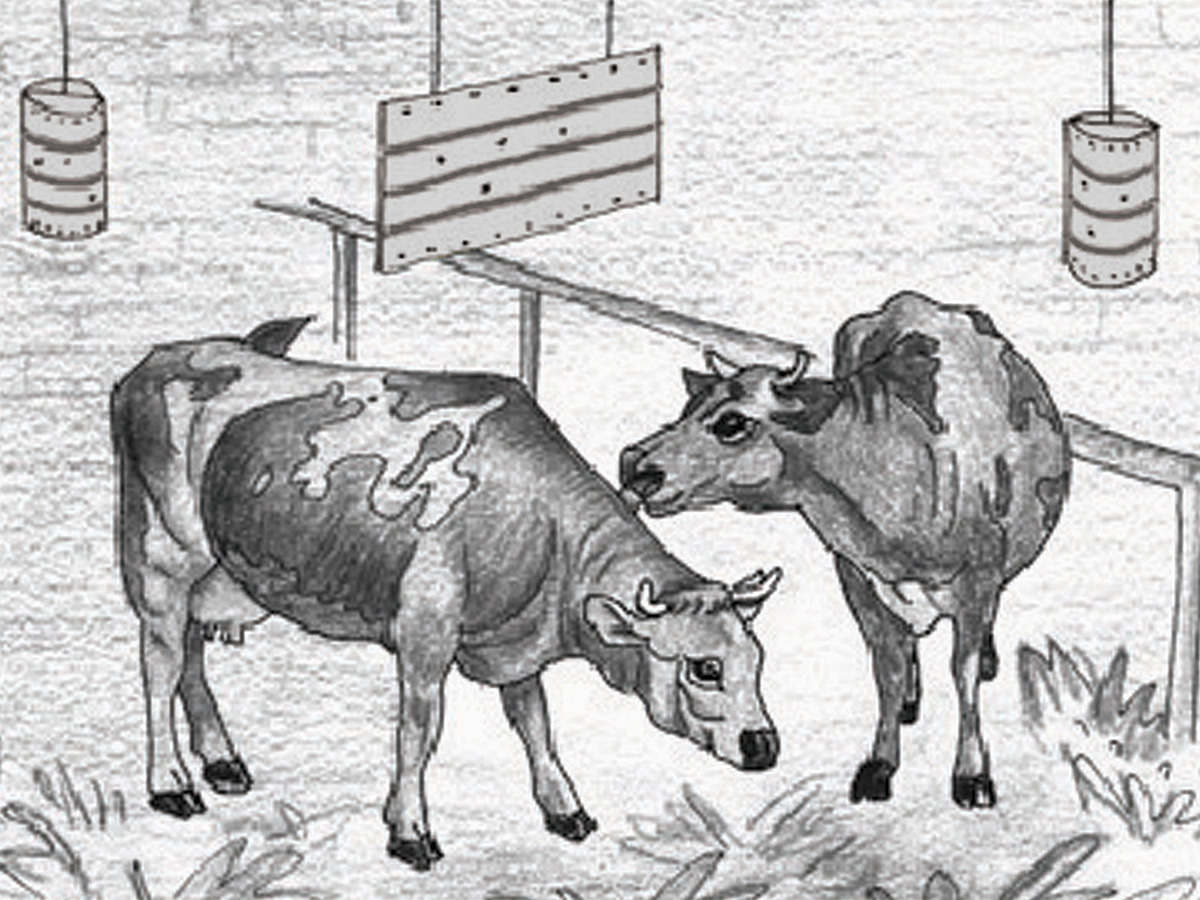
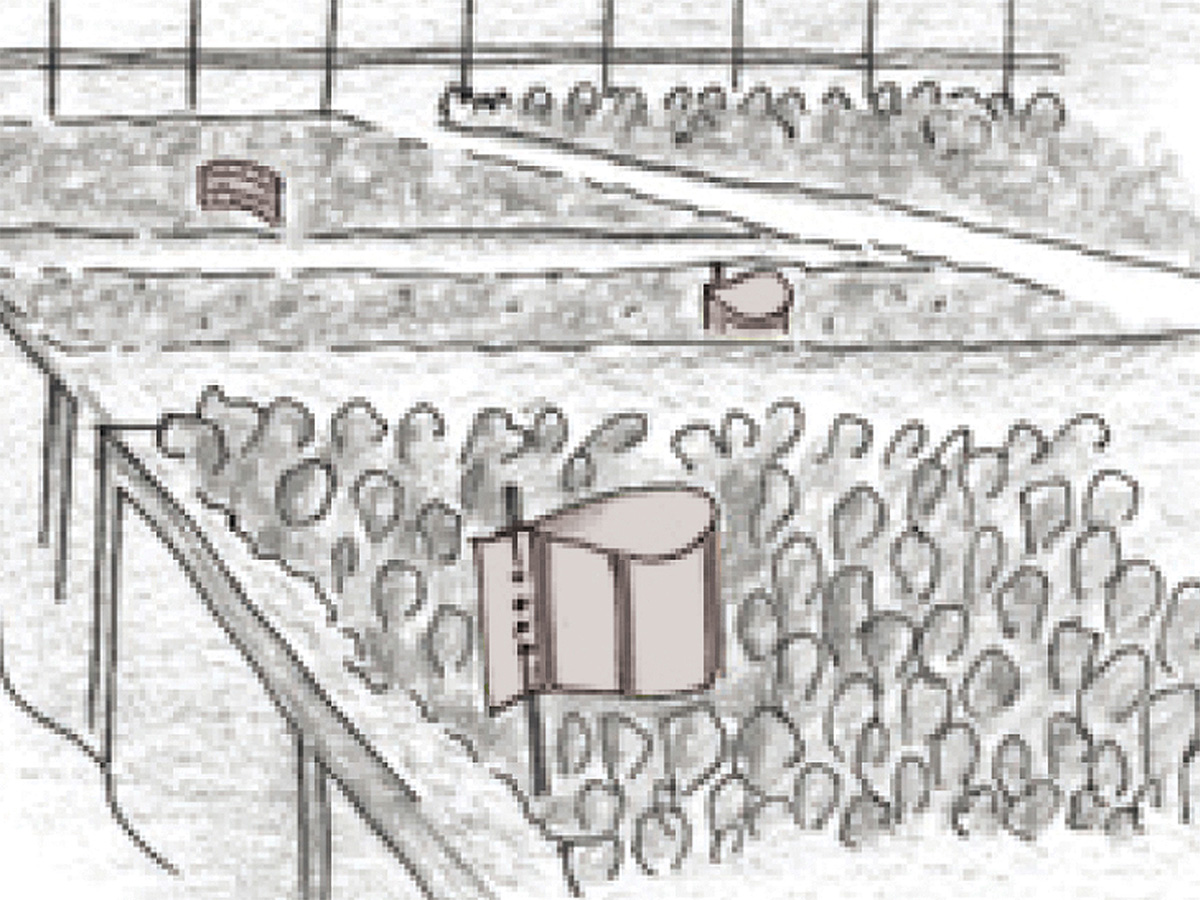
Position the traps in areas with the highest fly activity, where they operate continuously with minimal maintenance. Regular use helps reduce fly numbers, improve hygiene and create a more comfortable environment for animals and people.

Effect veliki hlevski muholovec

Example of Trap Placement in a Stable

Use biocides safely. Always read the label and product information before use.