Moths – Protecting Your Home from Textile and Kitchen Moths
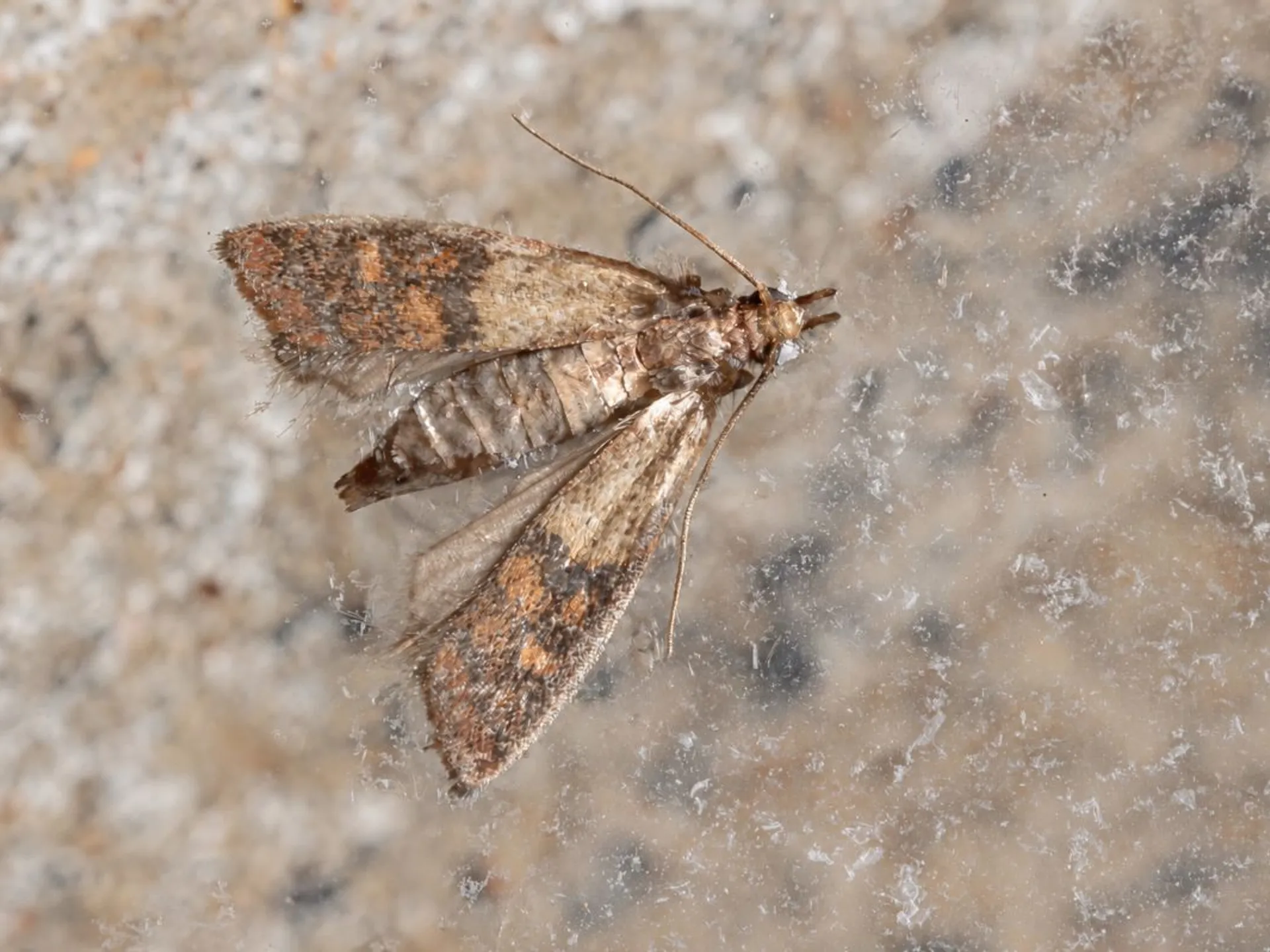
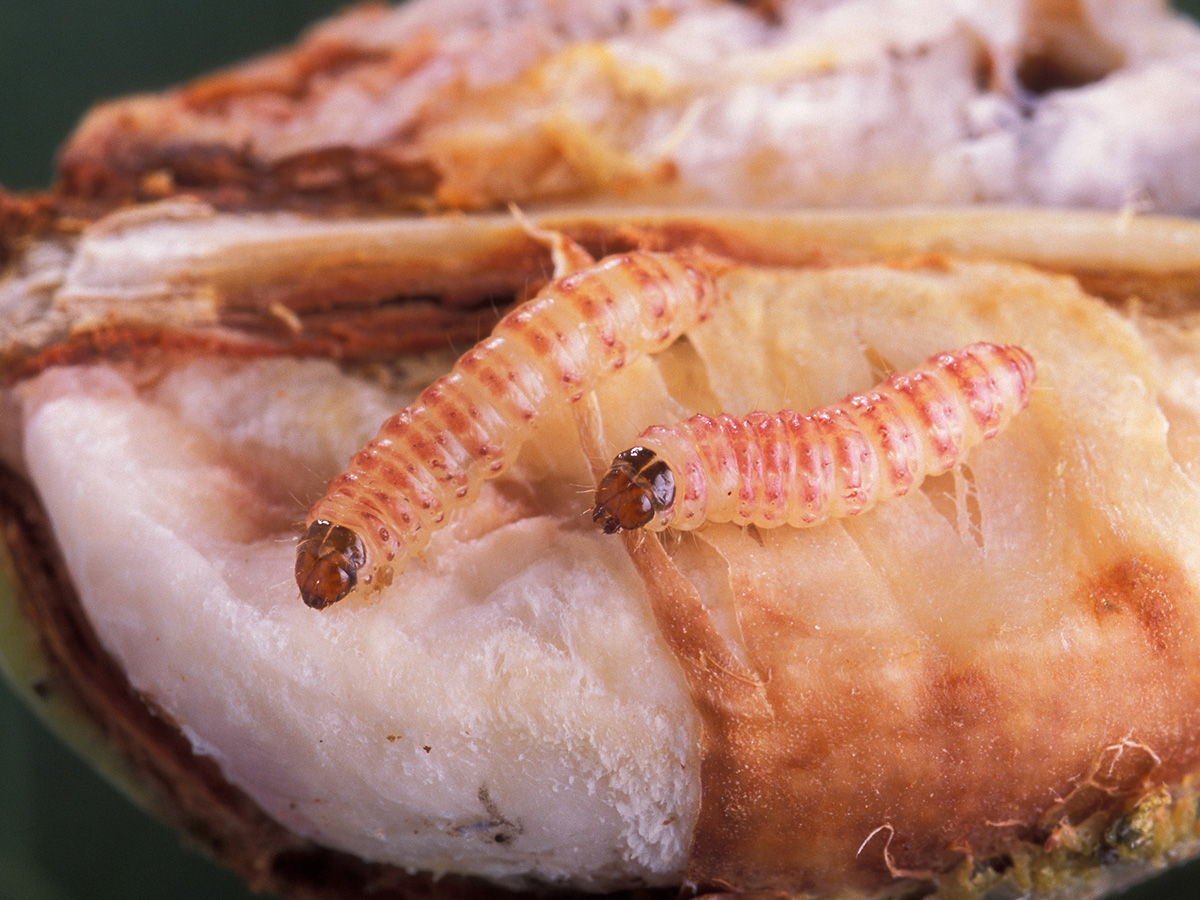
Moths are among the most common household pests and can cause considerable damage to stored food or clothing made from natural materials. Although adult moths do not cause direct damage, their larvae are extremely voracious and feed on food products or natural fibres.
They usually enter the home in infested food, packaging or textiles, after which they reproduce quickly and spread throughout the area. Because they spend most of their time hidden in cupboards, drawers or packaging, they are often discovered only when damaged food or clothing becomes visible.
Recognising the first signs early and acting quickly are essential for successful control and for preventing moths from returning.
Why Are Moths a Problem?
Moths most commonly enter the home in food, packaging or textile products that already contain eggs or larvae. Because these developmental stages are extremely small, they usually go unnoticed at the time of purchase.
Once the larvae hatch, they begin searching for food and causing damage. As they hide deep inside food products or textile fibres, their presence may remain unnoticed for a long time.
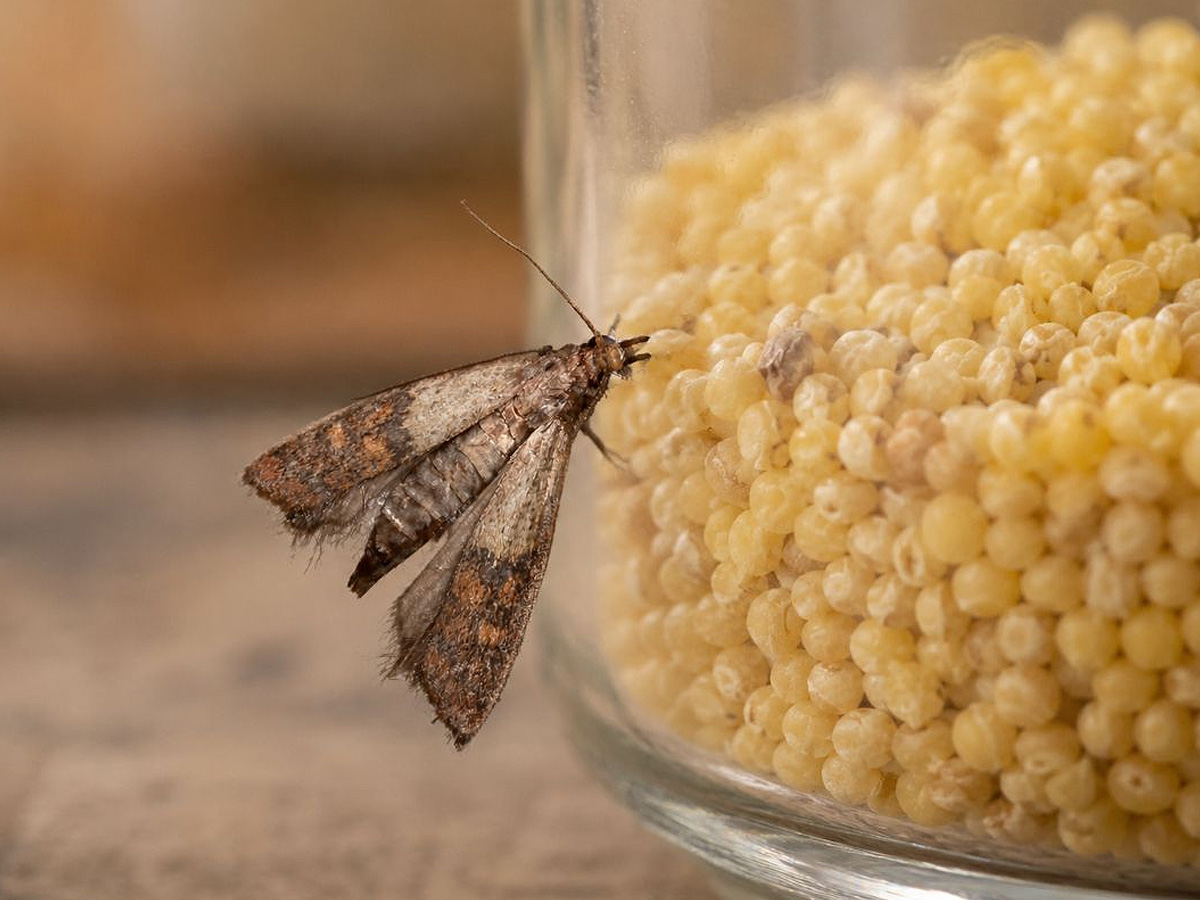
Kitchen moth larvae mainly attack:
- flour, rice, pasta, cereals, nuts, dried fruit, spices and pet food.
Infested food is no longer suitable for consumption because the larvae contaminate it with silken threads, droppings and developmental remains.
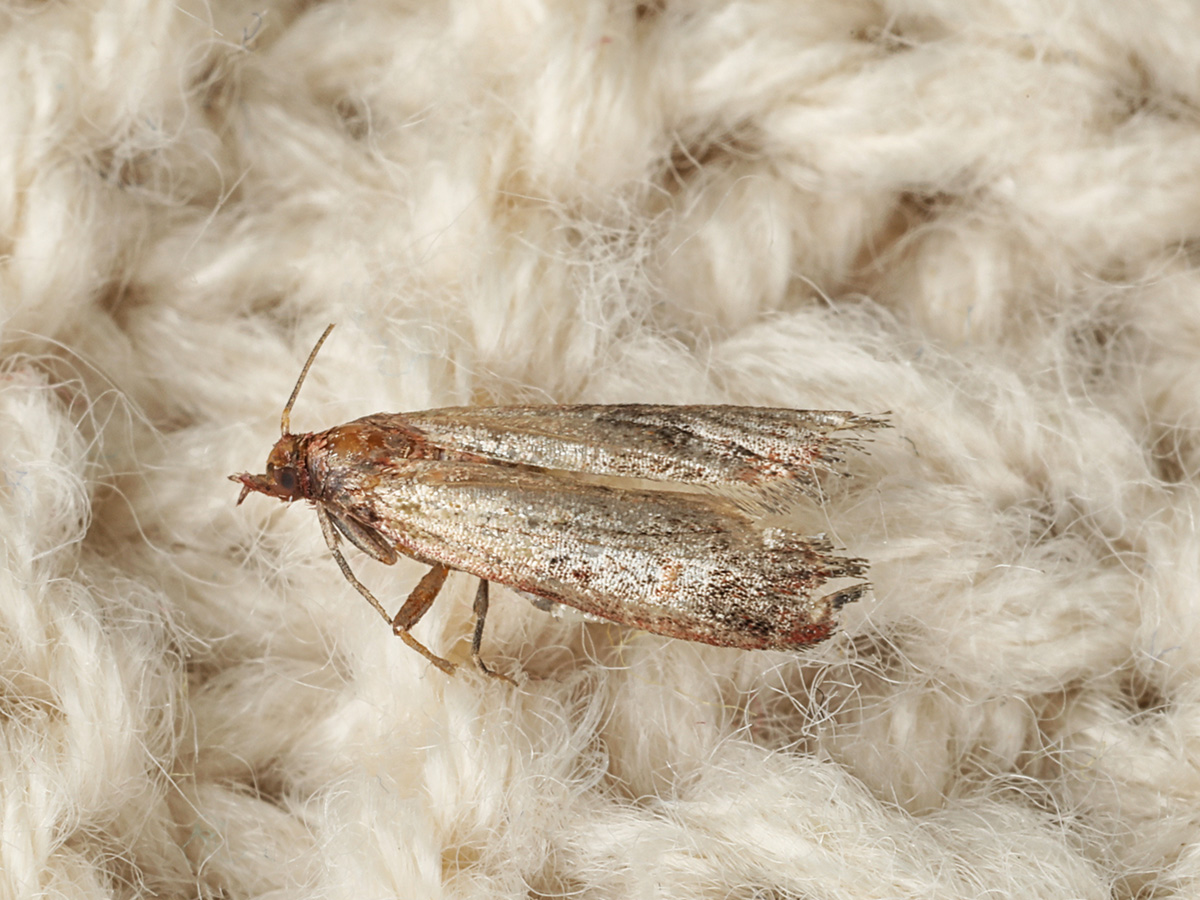
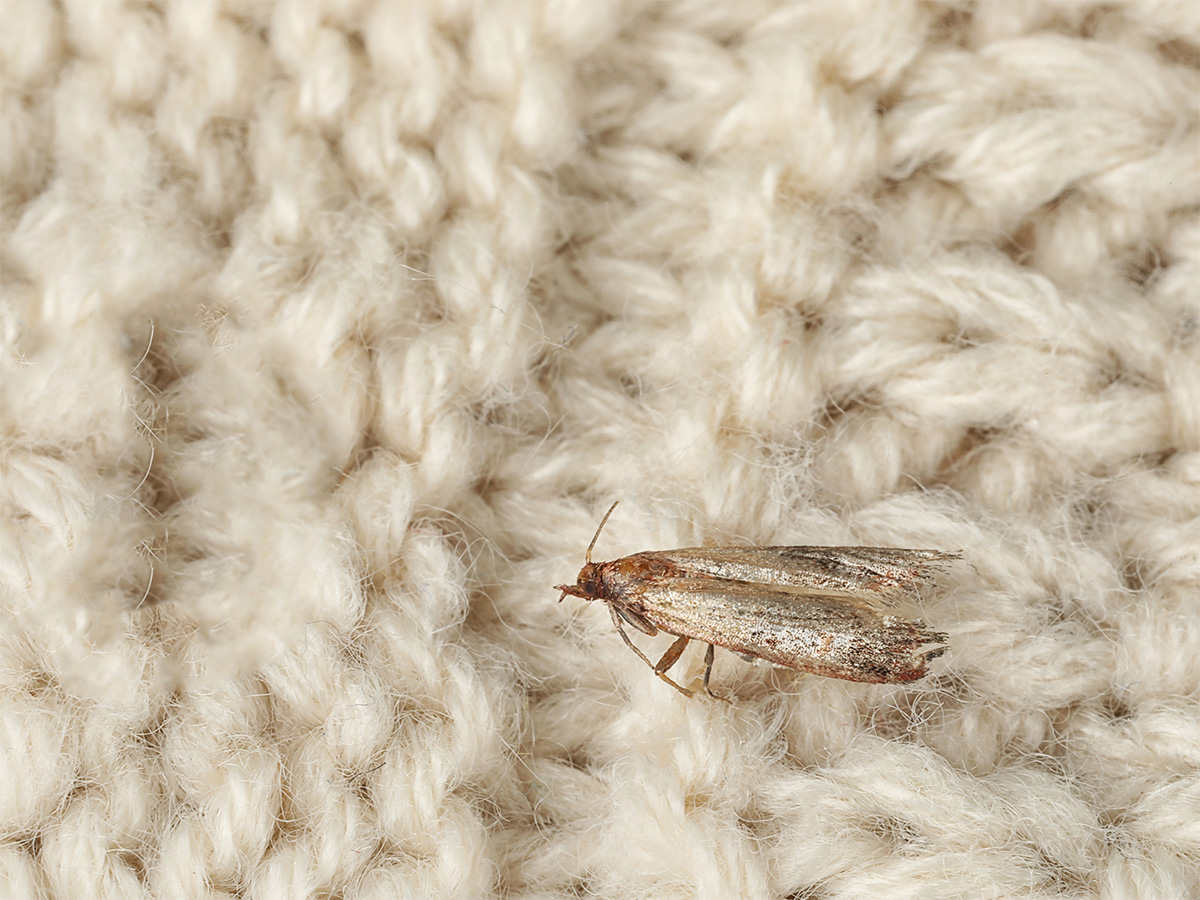
Textile moth larvae damage materials of animal origin, including:
- wool, cashmere, silk, feathers and fur.
This may result in permanent damage to clothing, blankets, carpets, upholstered furniture and other textile products made from natural fibres.
Because moths reproduce rapidly, a small initial infestation can quickly become a major problem unless action is taken in time.
.png)