

Textile Moths in Your Wardrobe: Causes, Damage and Effective Control

Textile moths can remain unnoticed for a long time while their larvae damage clothing and other textiles made from natural fibres. Timely preventive measures can effectively protect your wardrobe and help prevent damage that is difficult to repair.

7/8/2026

Textile moths are among the most common household pests and can cause considerable hidden damage to clothing and other textile products. Their larvae feed on natural fibres such as wool, silk, linen, cashmere and, to some extent, cotton, leaving characteristic holes and permanent damage. Seasonal clothing, blankets, carpets and other textiles stored for long periods in wardrobes or storage rooms are particularly at risk. Because moth activity is often noticed only after damage has already occurred, timely prevention is essential for protecting your favourite fabrics.

Which Textile Moths Are Most Common?

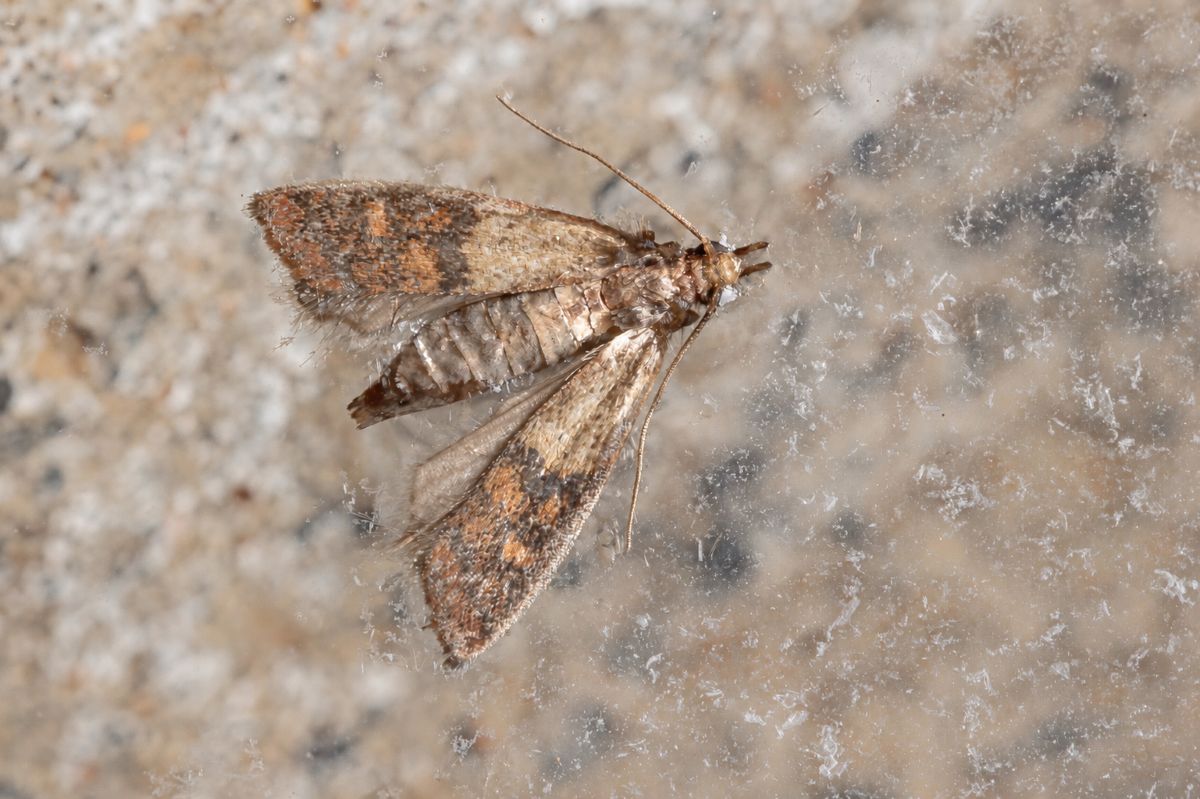
Several species of Textile moth occur, but the most common are Tineola bisselliella and Trichophaga tapetzella. The actual damage is caused by moth larvae, which feed on materials containing keratin. Keratin is a natural protein found in hair, fur, silk, claws and skin and is also present in many natural raw materials used in textile production.

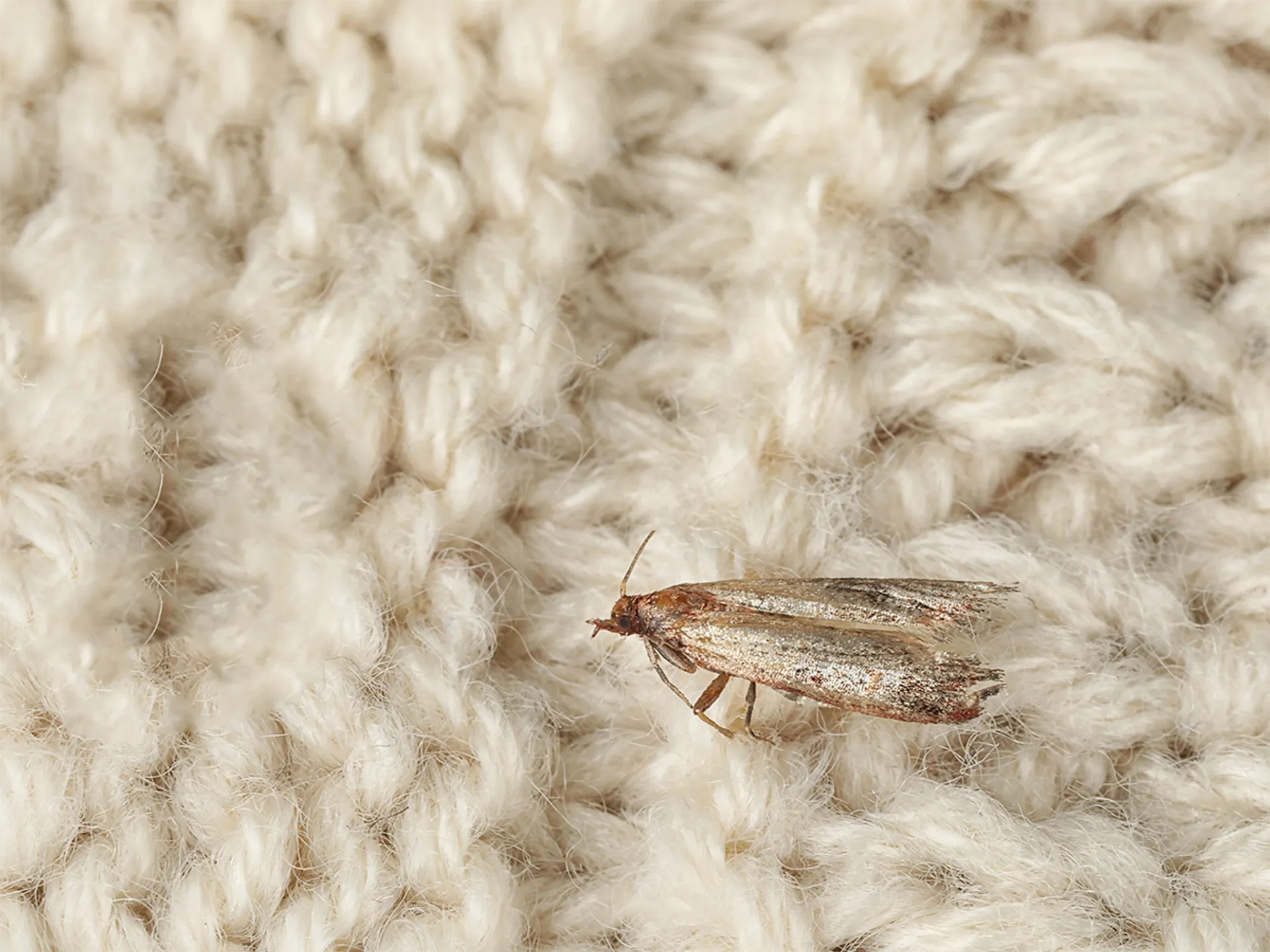
Tineola bisselliella, commonly known as the webbing Textile moth, has larvae that damage woollen and some cotton products. The larvae of Trichophaga tapetzella, the case-bearing Textile moth, can damage products containing silk, including blouses, scarves and ties.

Signs of Textile Moths in the Wardrobe

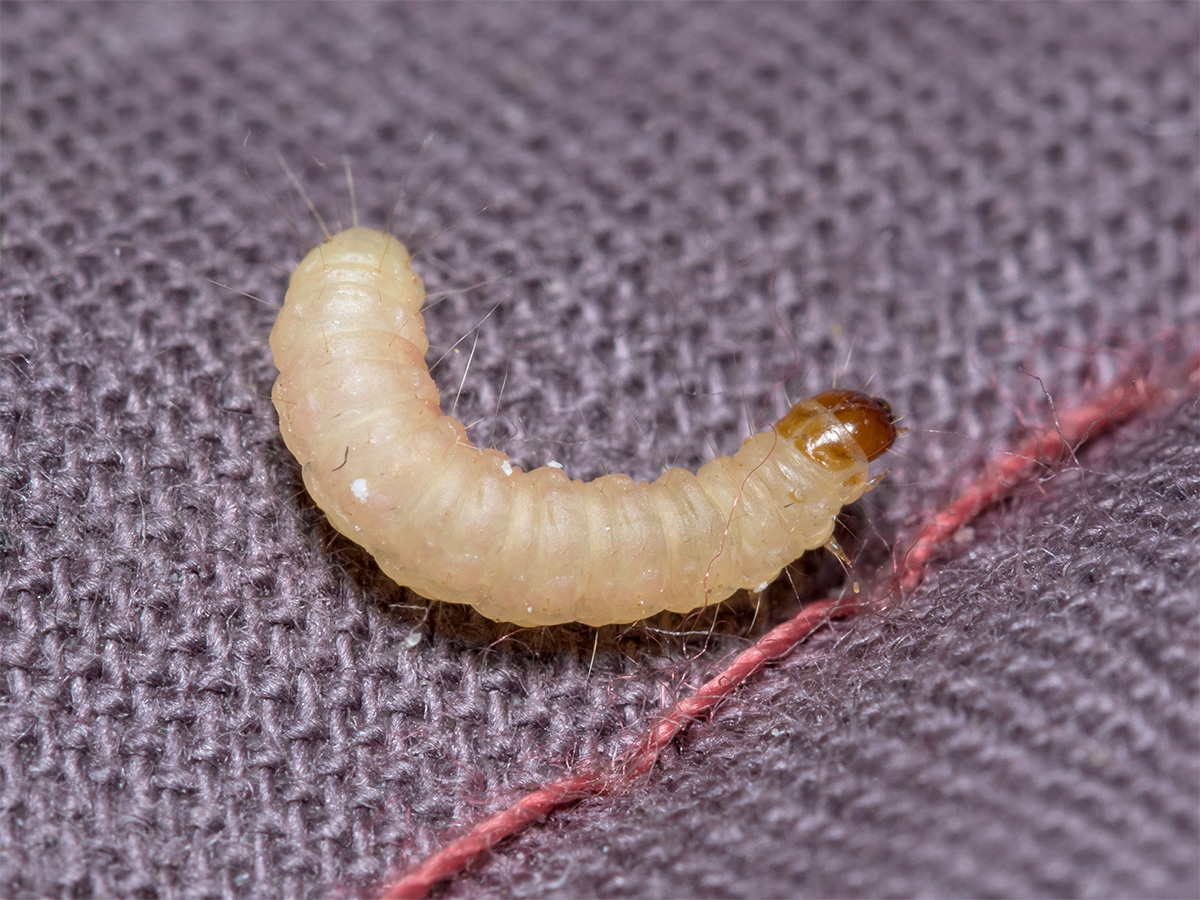
Textile moths are often discovered only after visible damage appears on clothing, blankets or other textiles. Adult moths are small and inconspicuous and usually hide in dark, quiet parts of wardrobes, making them easy to overlook. The larvae cause the actual damage by feeding on natural fibres and leaving characteristic holes and damaged areas in fabrics.

Common signs include irregular holes in clothing, fine silken threads or webbing between fibres and small larvae hidden in folds, beneath collars, inside pockets or at the bottom of wardrobes. Woollen jumpers, blankets, carpets, scarves and other items made from natural materials are especially vulnerable.

Textile moths have a relatively rapid life cycle, so their population can increase substantially in a short period. Regularly inspect wardrobes and items that are rarely used. If you notice small, light-brown moths measuring approximately 5-8 mm or unexplained damage to textiles, check for moth activity and act as soon as possible. Damage is often already present before adult moths are noticed.


What Should You Do When You Notice the First Damage?

  1. Act quickly when you find the first holes in clothing or other textiles. Adult moths do not cause the damage; their larvae do, so simply catching flying moths will not eliminate the problem.
  2. Thoroughly inspect all clothing and textiles in the affected area. Valuable items should preferably be professionally dry-cleaned. Wash other items above 50°C, where permitted by the care label. Delicate fabrics may also be exposed to approximately -15°C for at least 72 hours.
  3. Thoroughly clean wardrobes, drawers and other storage spaces. Pay particular attention to corners, gaps, carpets and other places where eggs and larvae may be hidden. Dispose of the vacuum bag or contents immediately after cleaning, as they may contain moth development stages.

Only a combination of cleaning, textile treatment and regular monitoring can effectively prevent the further spread of Textile moths.

Long-Term Protection of Clothing and Textiles

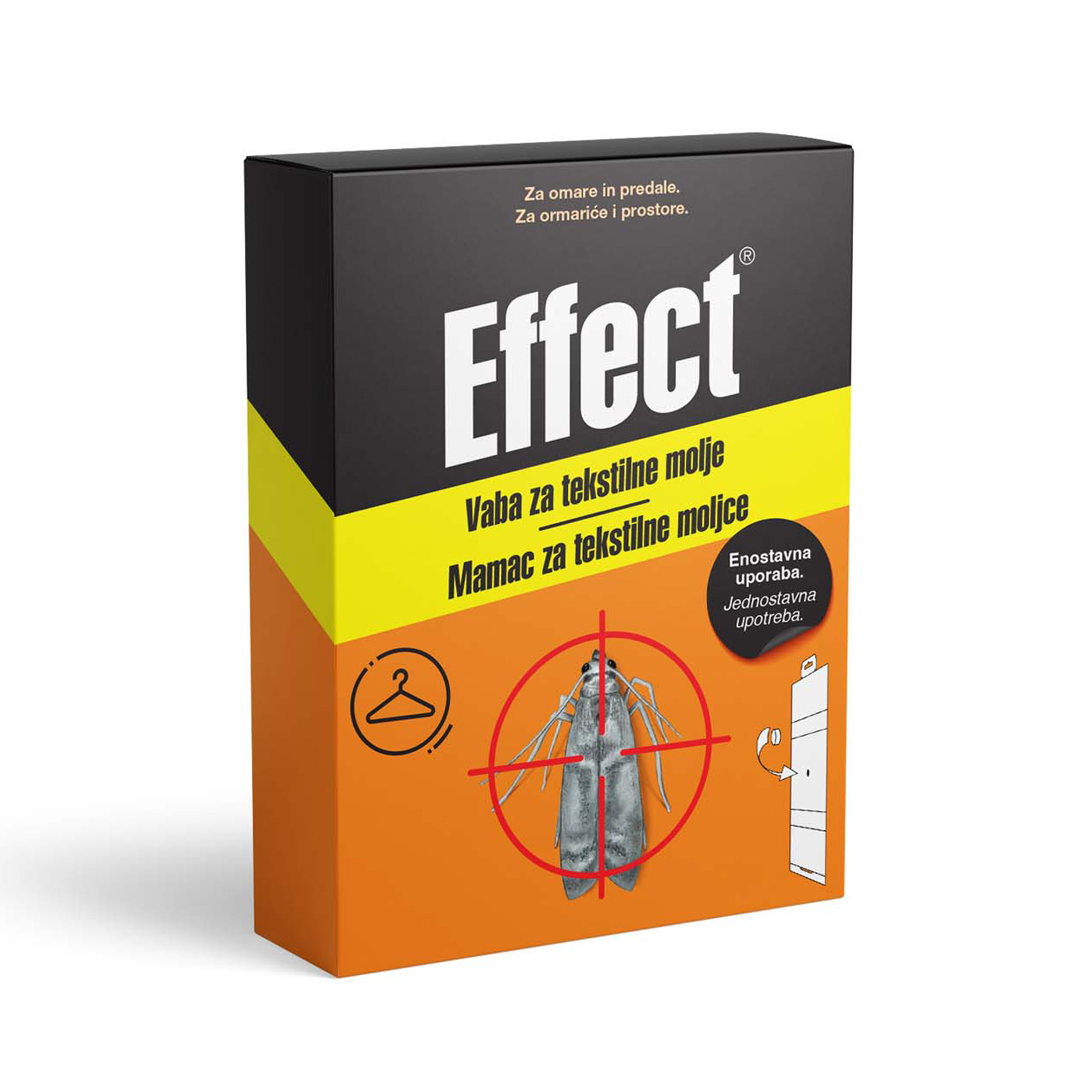
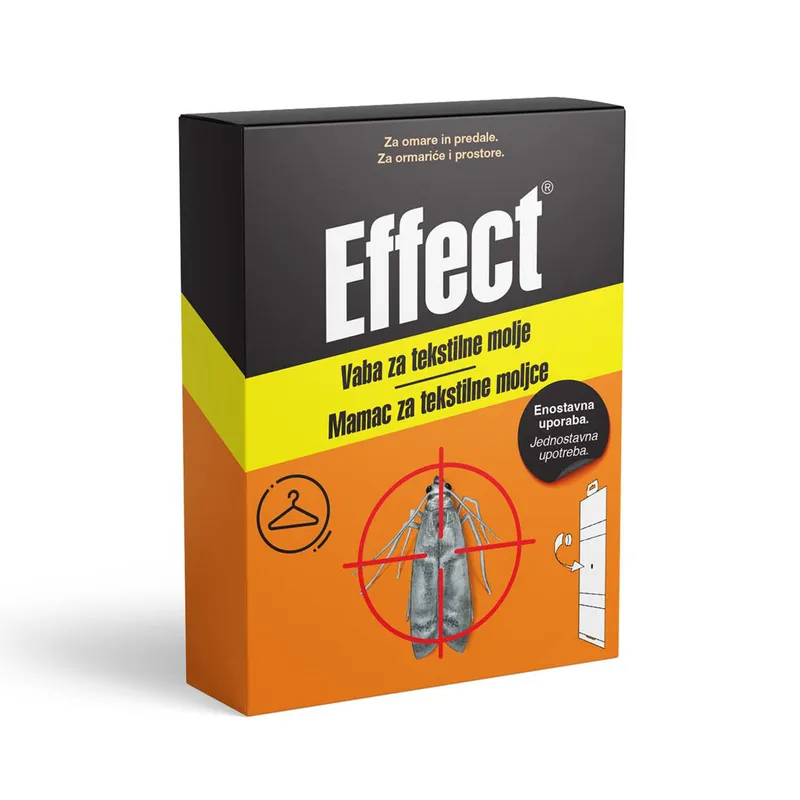
Effect Textile Moth Trap provides effective, long-lasting monitoring and protection of fabrics, fur and other textile products against Textile moths. It is suitable for wardrobes, storage chests, suitcases and travel use, where it helps detect moth activity early and reduce the adult population.

The trap uses a pheromone to attract adult male moths. They become caught on the adhesive surface, helping to interrupt the reproductive cycle and reduce the possibility of new generations of larvae that damage textiles.

Benefits of the Effect Textile Moth Trap:

  • insecticide-free protection,
  • effective and long-lasting action,
  • odourless,
  • safe for people and warm-blooded animals when used as directed,
  • simple and user-friendly application,
  • suitable for wardrobes, storage chests, suitcases and other textile-storage areas.

For best results, keep the trap in place throughout the year. This provides continuous monitoring of moth activity and long-term protection for clothing, blankets, carpets and other valuable textiles.


Use biocides safely. Always read the label and product information before use.