


One Kitchen Moth Can Lead to Hundreds of Larvae in Your Cupboard

Kitchen moths can contaminate stored food very quickly and spread unnoticed throughout the kitchen or pantry. Learn how to recognise them in time, identify the source of the infestation and use effective measures to prevent further reproduction and protect your food supplies.

7/8/2026

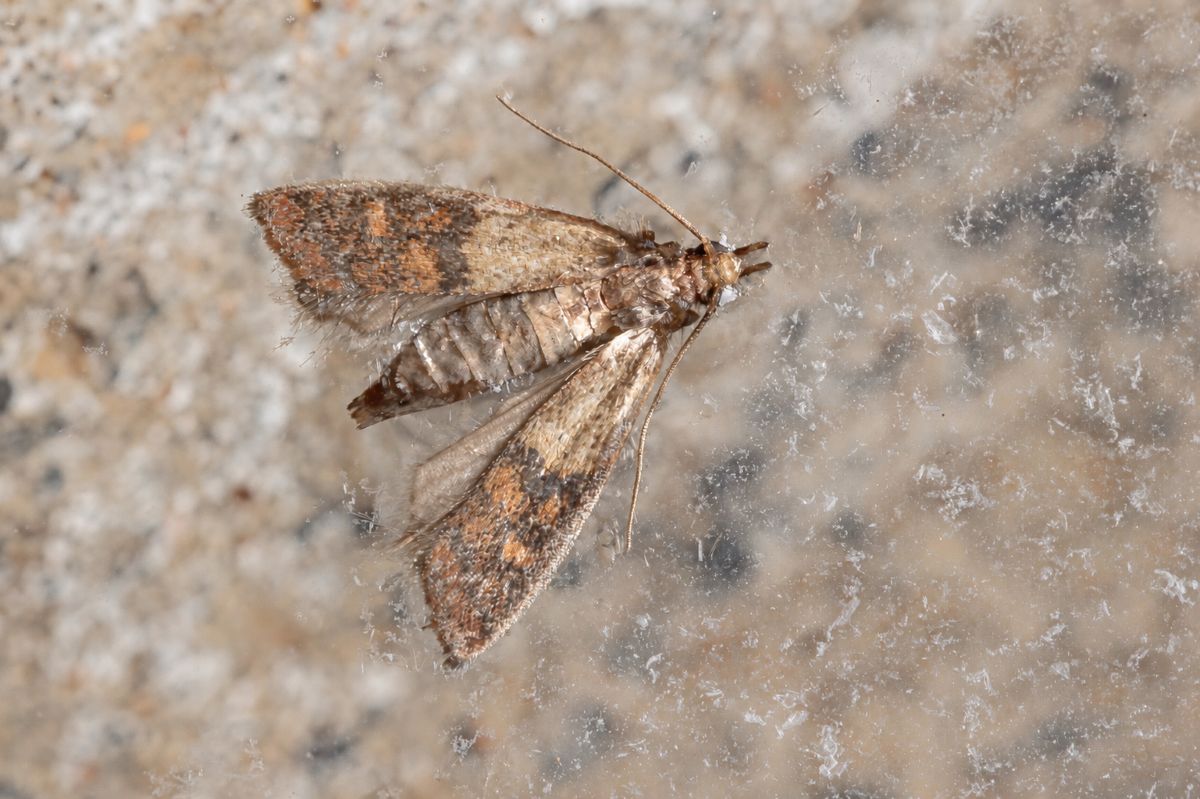
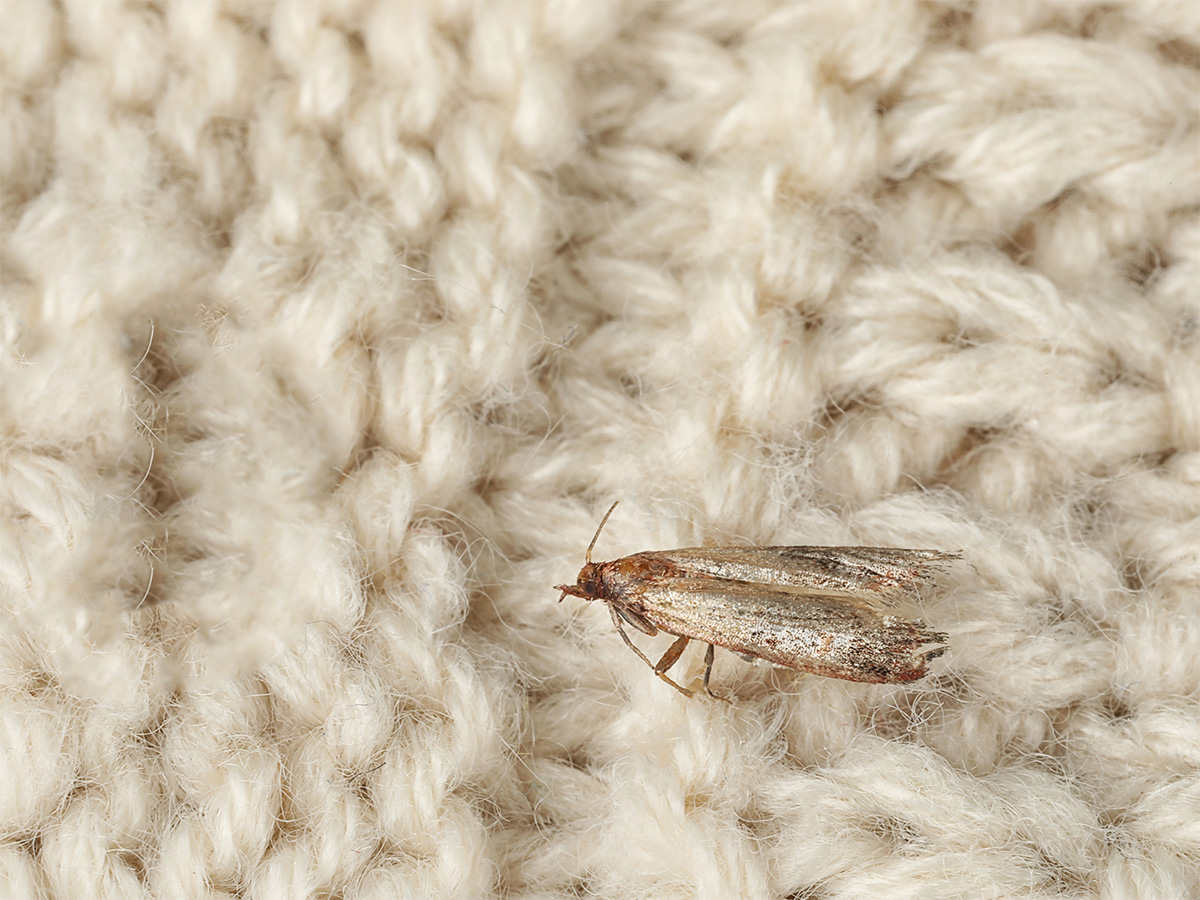
Kitchen moths often develop in food products that have been stored for a long time and are rarely used. Common sources include cereals, flour, rice, pasta, nuts, seeds, dried fruit, spices and other dry foods that are placed in kitchen cupboards or pantries after purchase and then forgotten. These products provide an ideal environment for the development of eggs, larvae and, eventually, adult moths.


Watch for Hidden Sources of Infestation

To prevent Kitchen moths, regularly inspect stored food not only for expiry dates but also for possible signs of pests. Pay particular attention to products that have been opened and stored for a long time. Look for small webs, clumps in food, fine silken threads, larvae or adult moths flying around the room.

Dry pet food is another frequently overlooked source. Its high nutritional content makes it an attractive environment for Kitchen moth development. Store pet food in tightly sealed containers and inspect it regularly.


Remove Infested Food and Clean Thoroughly

Successful Kitchen moth control requires the removal of every source of infestation and thorough cleaning of the affected storage area. Work carefully and systematically, as even a few overlooked eggs or larvae can lead to renewed moth activity.

Immediately dispose of any food containing larvae, webbing, silken threads or adult moths. Discard products in their original packaging together with the packaging, because eggs and larvae may be hidden in folds, seams or damaged areas. If food is stored in reusable containers, discard the contents and wash the containers thoroughly with hot water and detergent.

Take care not to spill infested food around the kitchen or pantry during disposal. Larvae and eggs can easily spread to other food or surfaces and make the problem more difficult to eliminate. Seal infested food in a bag and remove it from the home immediately.

Inspect every storage container, including glass, metal and ceramic containers. If the lids were not completely sealed, moths may have laid eggs inside or larvae may already be developing in the contents.

Prevention Is the Best Protection Against Kitchen Moths

Prevention is considerably easier and more effective than controlling an established Kitchen moth infestation. Start by buying sensible quantities of food and storing them correctly. Purchase only the amount you are likely to use within a reasonable period, as food stored for long periods is a common source of moth development.

Store dry foods such as flour, rice, cereals, pasta, nuts, seeds, dried fruit and pet food in tightly sealed glass, metal or high-quality plastic containers. Inspect your supplies regularly and keep shelves, drawers and storage areas clean, because even small amounts of spilled food can attract pests.

Pheromone traps are recommended for early detection and monitoring. They can reveal moth activity before a more extensive food infestation develops.

Monitor and Reduce the Population

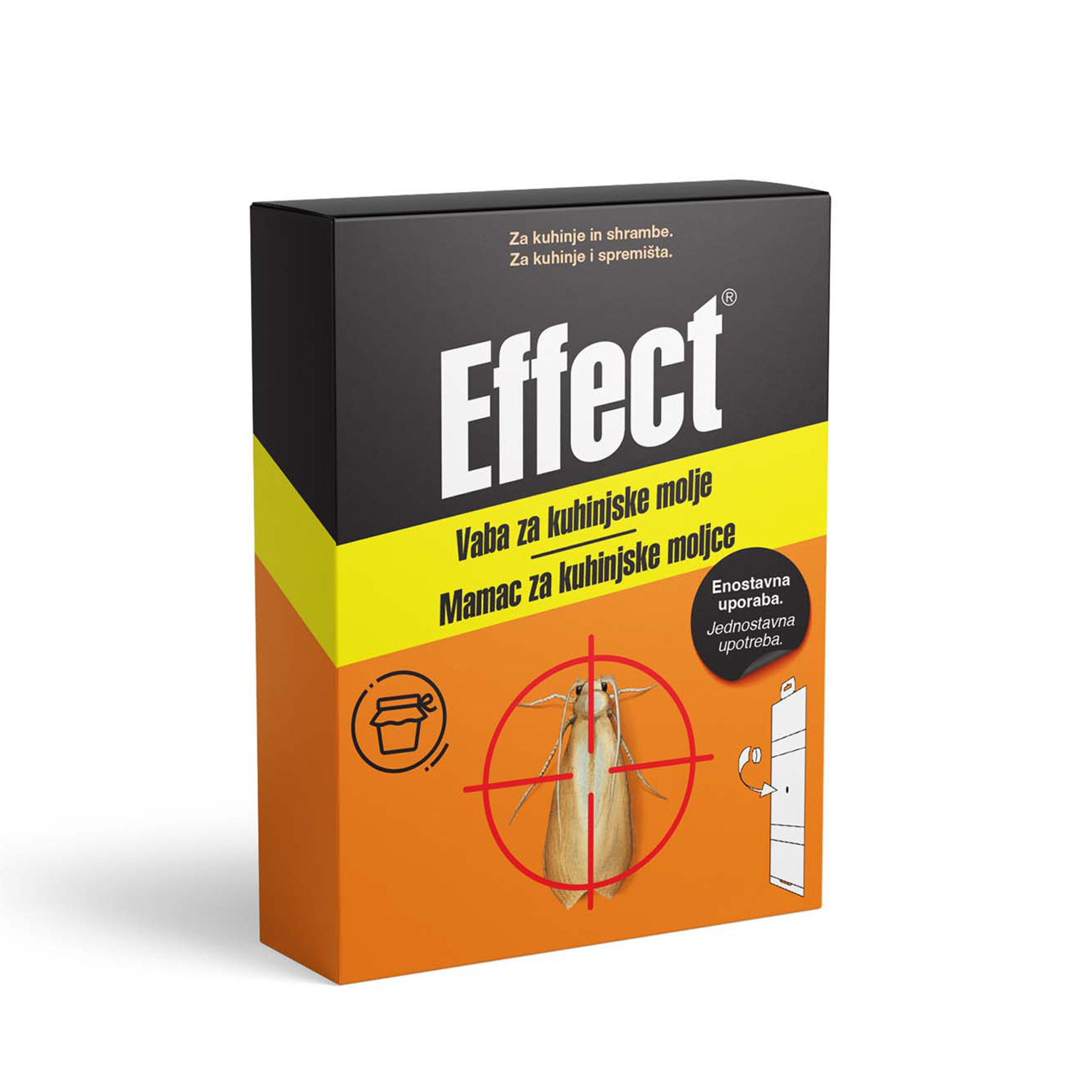
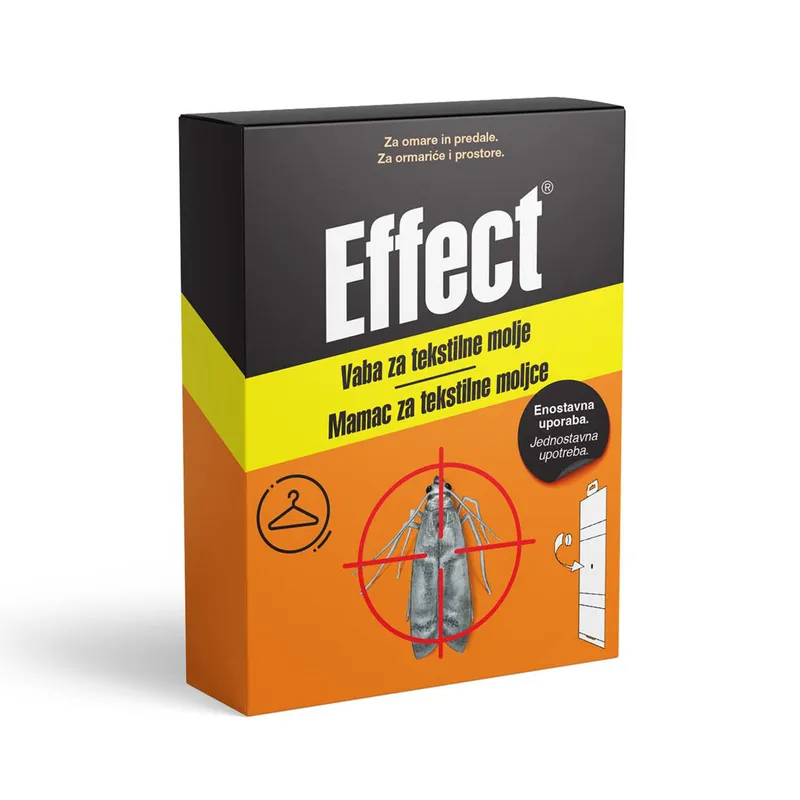
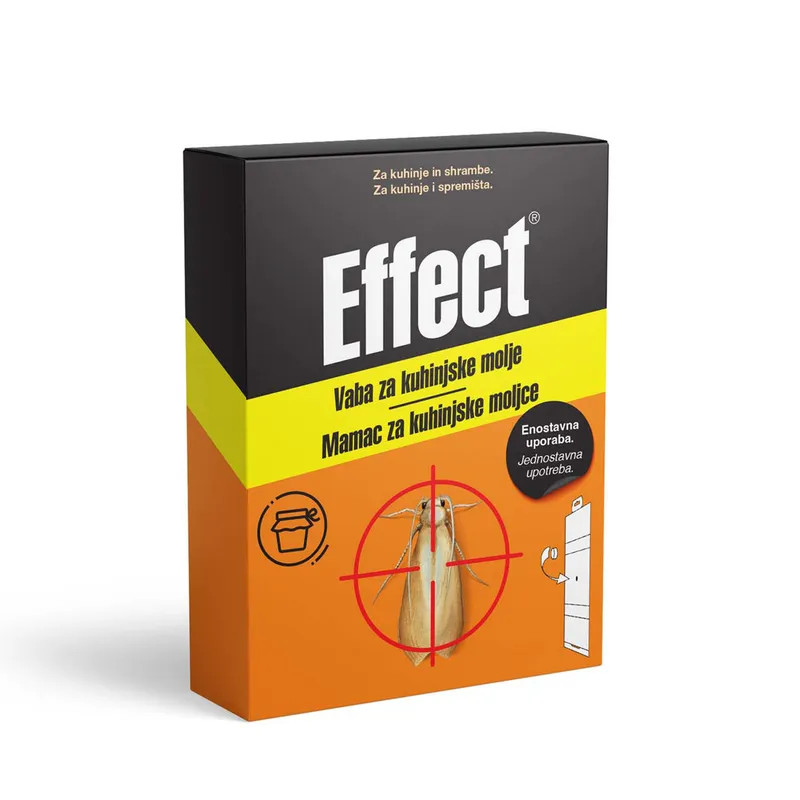
Effect Kitchem Moth Trap is designed to monitor and reduce populations of the most common Kitchen moth species that attack stored food.


It is a safe, odourless adhesive trap that uses a natural sex pheromone to attract moths. Pheromones are chemical signals used by insects to communicate. The trap contains no insecticide and is therefore suitable for kitchens, pantries and other food-storage areas.


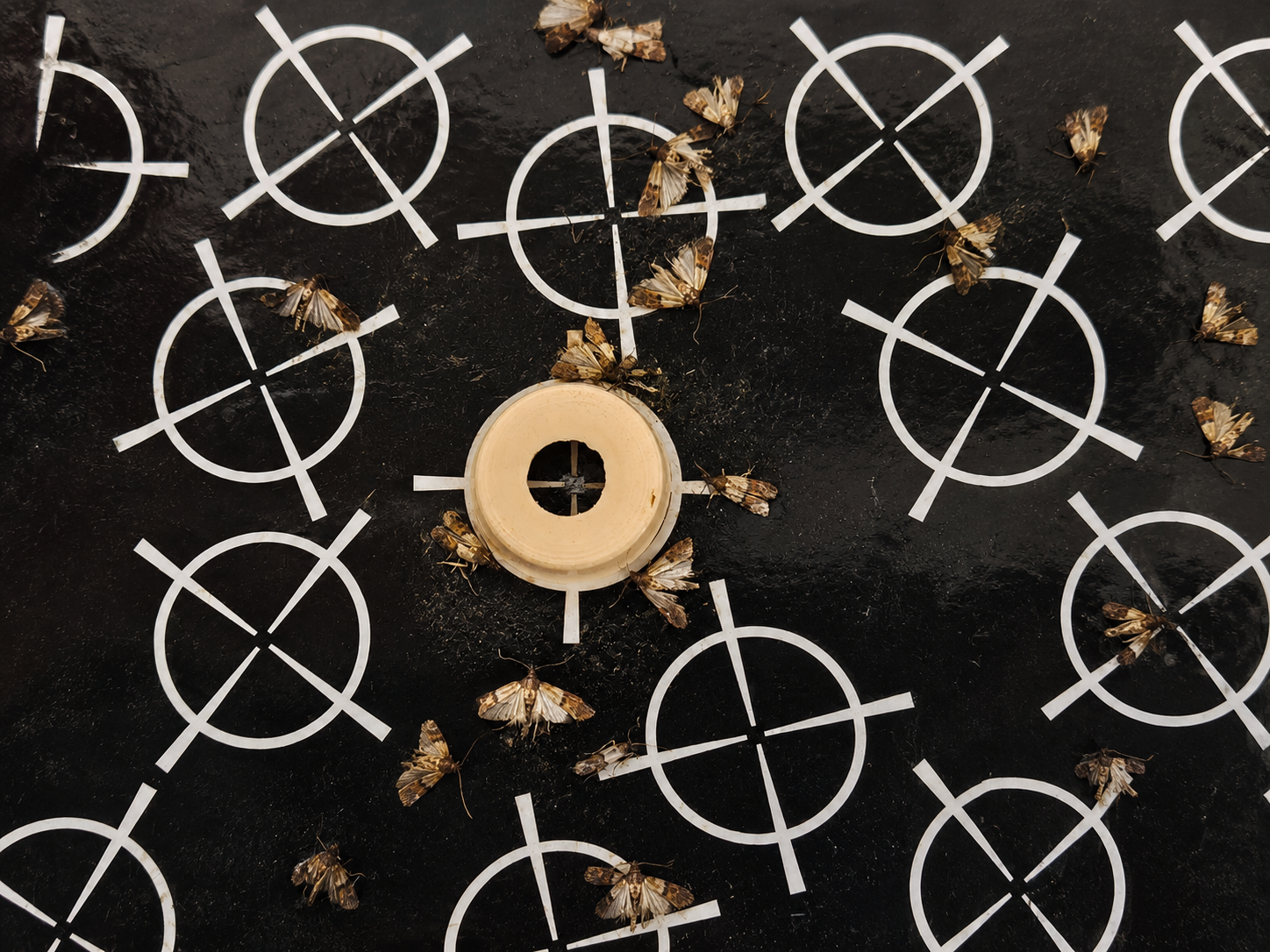
The pheromone selectively attracts adult male Kitchen moths. They become caught on the adhesive surface, reducing mating opportunities, interrupting the reproductive cycle and gradually lowering the moth population. The trapped insects also provide an early indication of moth activity and help you monitor the scale of the problem.

Effect Vaba za kuhinjske molje

Effect Kitchem Moth Trap remains effective for up to 3 months. It is odourless, contains no insecticide and, when used correctly, is suitable for kitchens, pantries and other food-storage areas. Regular use enables early detection and helps prevent new generations of food-damaging larvae.

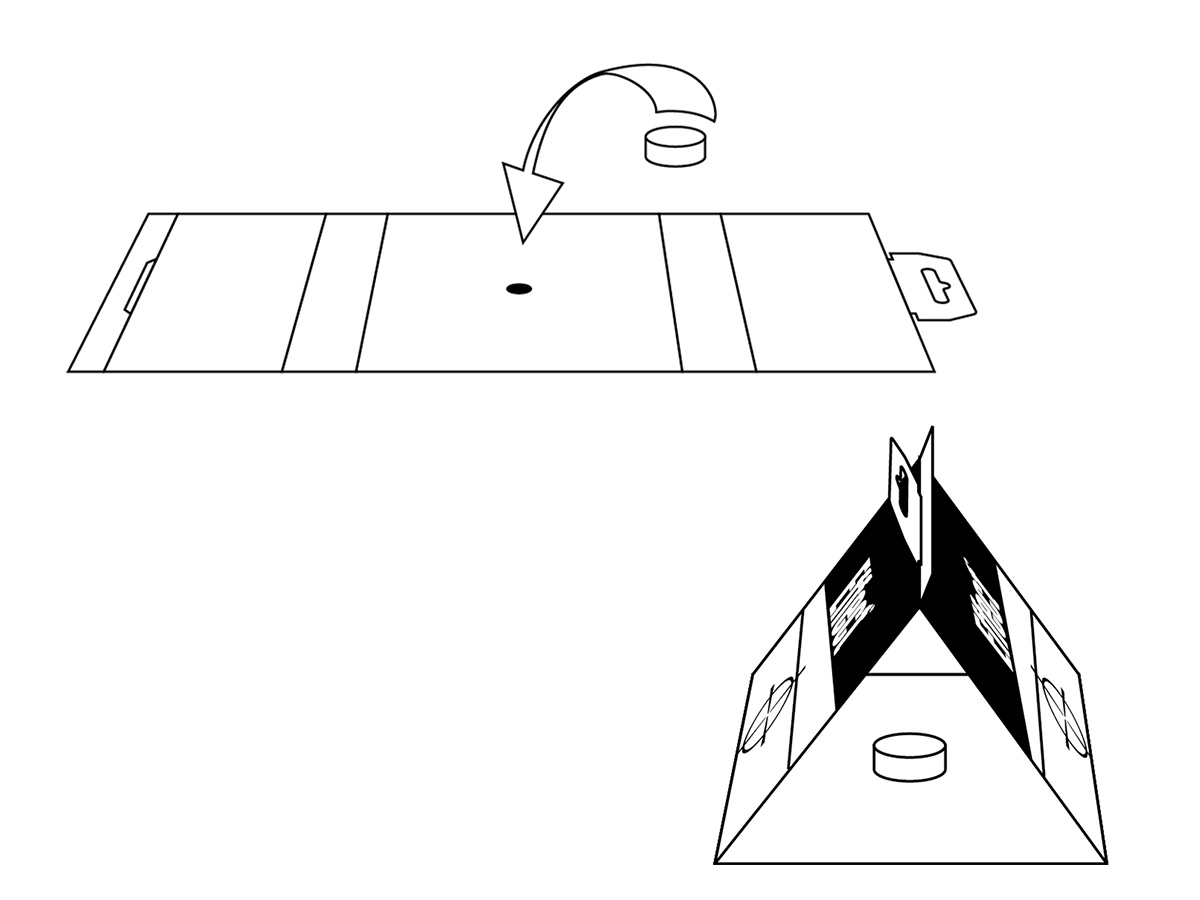
Place the pheromone insert on the adhesive surface and assemble the trap into a triangular house shape. The pheromone attracts male moths, which adhere to the sticky surface. This interrupts the pest's reproductive cycle and helps reduce the population.

For a Larger Infestation, Add an Insecticide Treatment

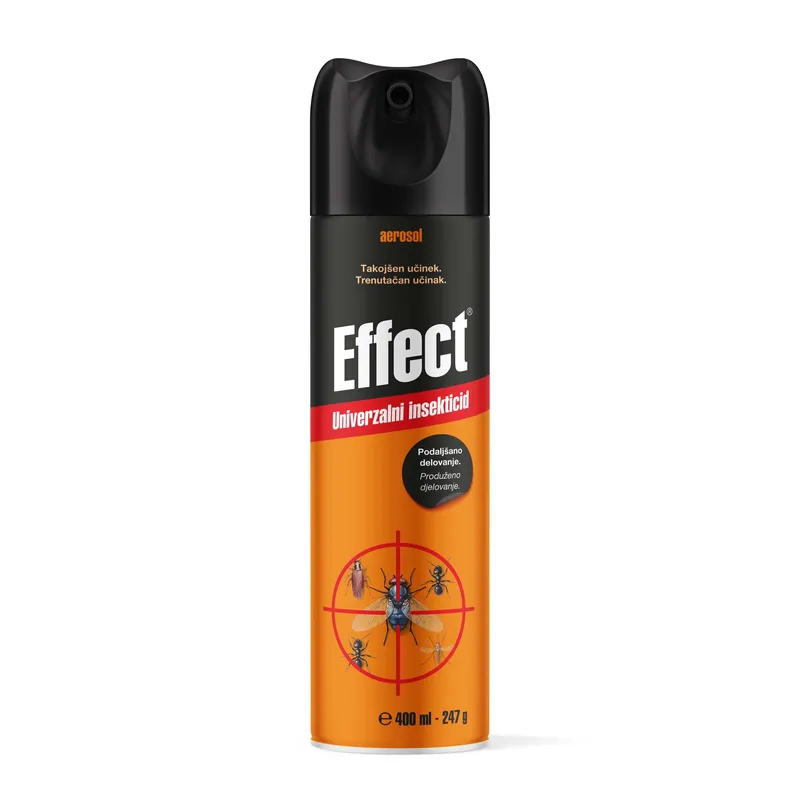
If you notice a large number of adult moths or suspect that they have spread beyond cupboards and pantries, we recommend additional treatment with Effect Ultimum PRO.

Dilute the concentrate with water according to the label and apply the solution to areas where adult moths commonly rest or fly, including cupboard edges, cracks, crevices, shelves and other resting places. This helps reduce the adult population and prevent further reproduction.

Combining correct food storage, regular inspection, Effect Kitchen Moth Trap and, where necessary, Effect Ultimum PRO can significantly reduce the risk of Kitchen moths and protect stored food from contamination over the long term.

Effect Ultimum PRO

Use biocides safely. Always read the label and product information before use.