Interesting Facts About Ticks
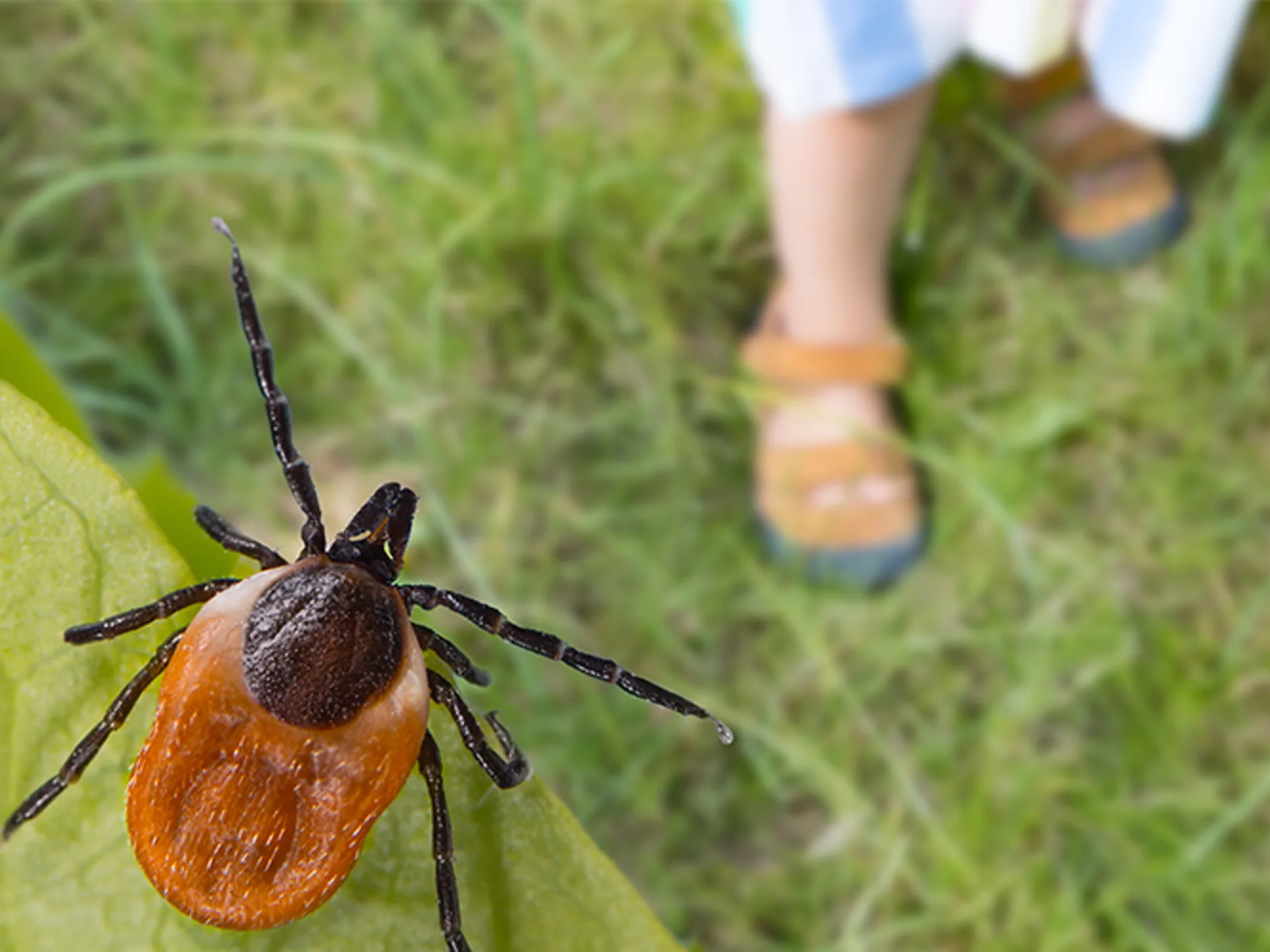
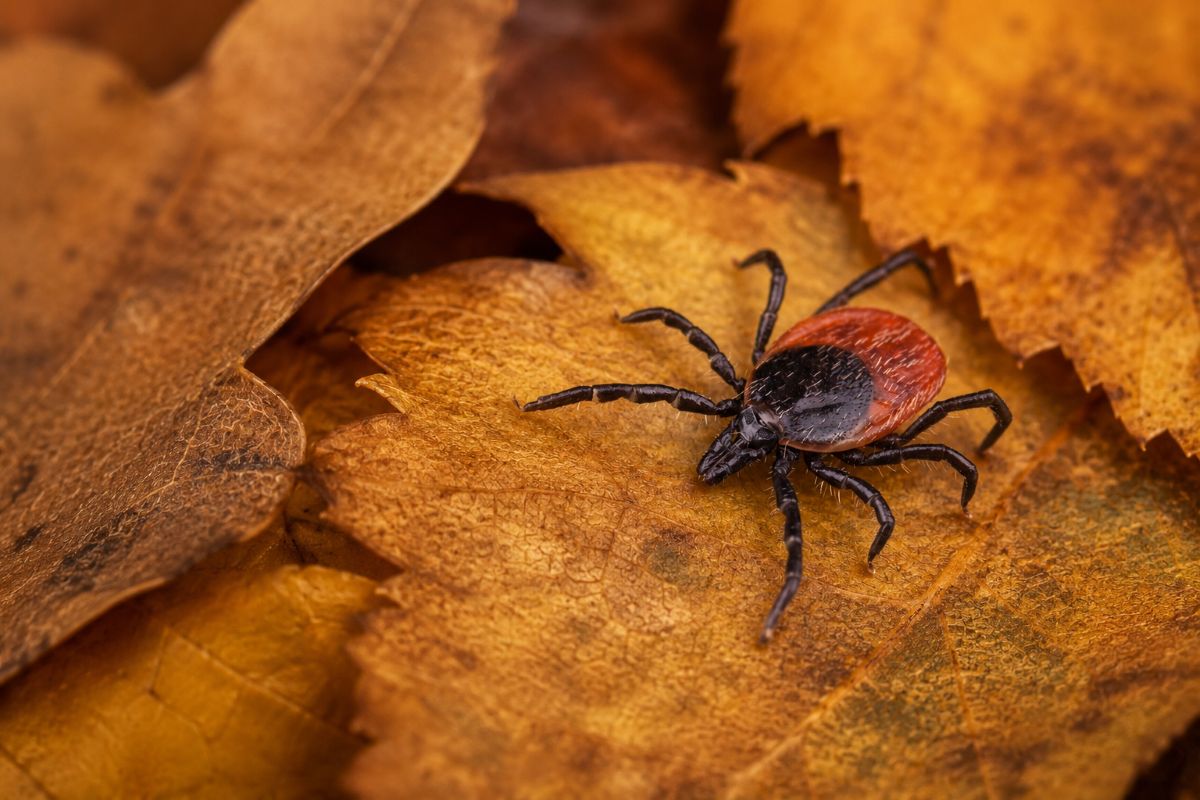
- Ticks are not insects. They belong to the arachnid family and have eight legs in their adult stage.
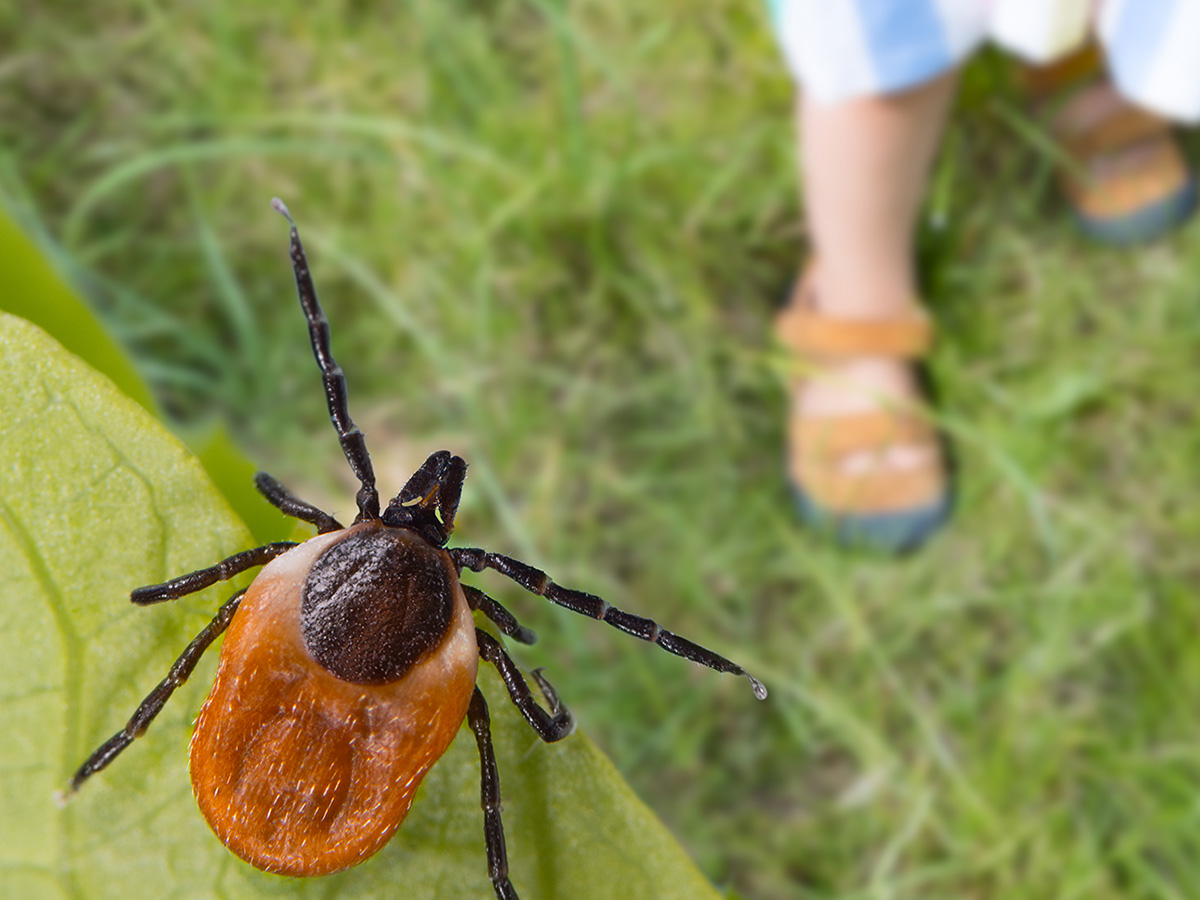
- They do not jump or fly. They wait for a host on grass and low vegetation, attaching themselves when the host brushes past.
- They feed exclusively on blood. To complete their life cycle, they require blood meals from different hosts, including small mammals, birds, wildlife, domestic animals, and humans.
- Slovenia is considered a high-risk country for tick bites. Thanks to favorable climatic conditions, ticks are widespread throughout almost the entire country.
- Ticks are most active from spring to late autumn. During mild winters, they may also be active in the winter months.
- A single female tick can lay several thousand eggs. As a result, tick populations can increase rapidly under favorable conditions.
Frequently Asked Questions
When are ticks most active?
Ticks are most active from early spring to late autumn, when temperatures rise above approximately 7°C (45°F). Their activity peaks in spring and autumn, but during mild winters they may remain active almost year-round.
Where are ticks most commonly found?
Ticks are most commonly found in forests, forest edges, meadows, tall grass, shrubs, parks, gardens, and along walking trails. They are also present in urban green spaces and recreational parks.
How should a tick be removed properly?
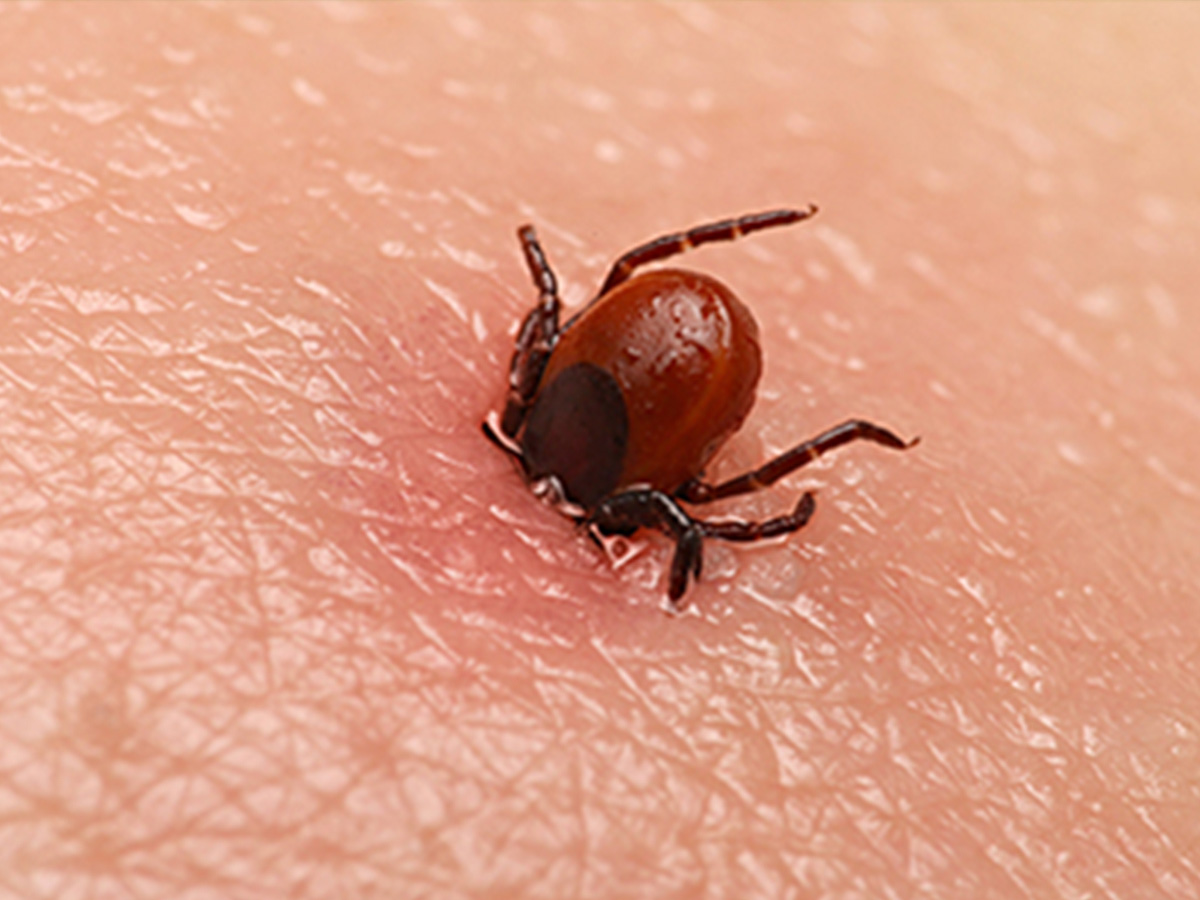
Remove the tick as soon as possible using fine-tipped tweezers. Grasp it as close to the skin as possible and pull it out slowly with steady, even pressure. Do not squeeze, twist, or cover the tick with oil, alcohol, or other substances, as this may increase the risk of disease transmission.
Does every tick carry diseases?
No. Most ticks are not infected, but it is impossible to tell by looking at them. Therefore, every tick bite should be taken seriously. Remove the tick as soon as possible and monitor the bite site for several weeks.
What is the best way to protect yourself from ticks?
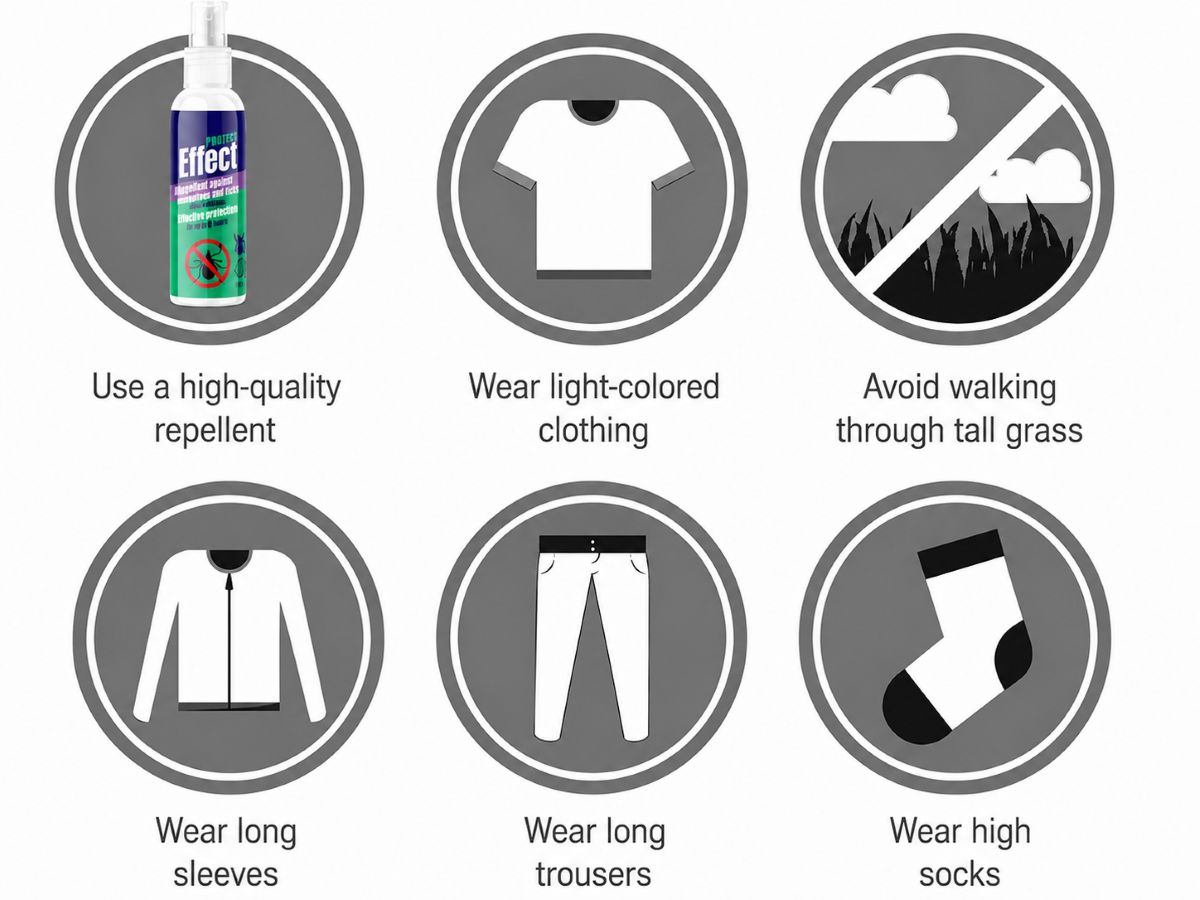
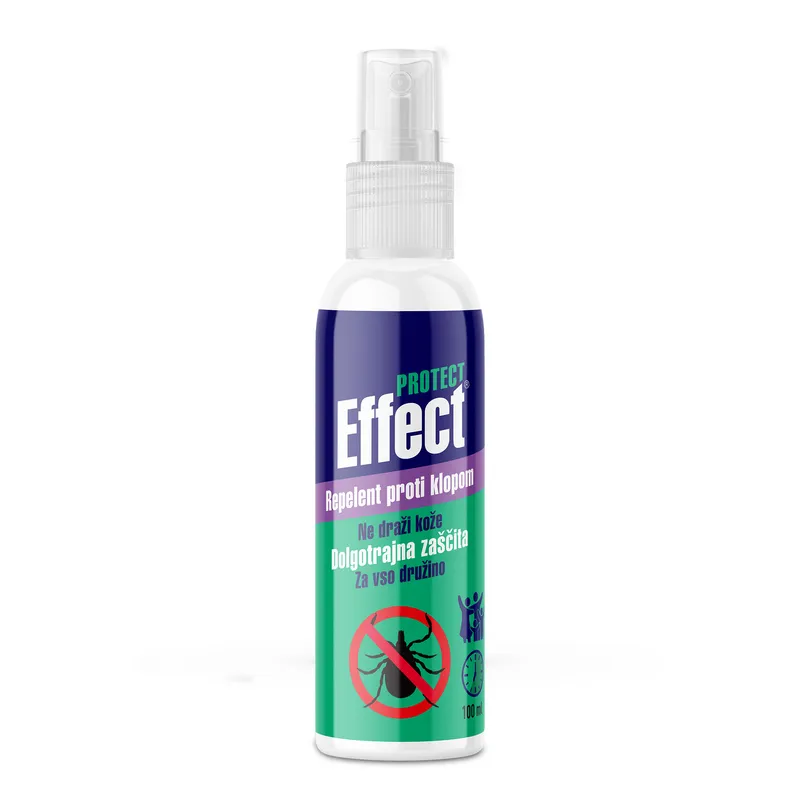
The most effective protection includes using Effect Protect repellents, wearing appropriate clothing, avoiding tall grass, and checking your body after spending time outdoors. During prolonged outdoor activities, reapply the repellent as needed, following the manufacturer's instructions.
Are ticks dangerous for pets as well?
Yes. Ticks commonly attach to dogs and cats and can transmit diseases to them. After every walk, it is recommended to check your pet's coat for ticks and use appropriate tick prevention products recommended by your veterinarian.
.png)