

Protecting Babies and Toddlers from Mosquito and Tick Bites

Babies and toddlers are particularly vulnerable to mosquito and tick bites because of their sensitive skin. Learn how to protect them effectively, reduce the risk of bites and choose a suitable repellent for carefree outdoor play.

7/8/2026

Warm weather encourages children to explore, play and learn outdoors. These enjoyable experiences also bring small risks, including mosquitoes and ticks, whose bites can cause itching, burning and, in some cases, more serious reactions. Babies and toddlers are especially vulnerable because their skin is thin, sensitive and still developing its protective barrier.

Protection should therefore be both effective and gentle. The following measures help parents recognise the risks, protect delicate skin and support safe, carefree outdoor play.

Why Is Children's Skin More Sensitive?

Children's skin is thinner and more permeable to substances from the environment, while its protective barrier is not yet fully developed. Babies have less sebum, a different skin pH and a lower capacity to retain moisture than adults. This makes their skin more susceptible to irritation, allergic reactions and secondary infection, particularly after insect bites.

Babies over six months and toddlers who crawl or take their first steps spend a great deal of time close to the ground, among grass, shrubs and other natural surfaces where mosquitoes and ticks may be present. Because young children cannot always explain what is wrong, crying, restlessness or scratching may be the only sign of discomfort.


Where Are Children Most Likely to Encounter Mosquitoes and Ticks?

Children are naturally curious and readily come into contact with plants, leaves, soil and water. Exposure is common:

  • while playing in the garden or meadow,
  • when walking along woodland paths or near shrubs,
  • during picnics, camping trips and visits to lakes or rivers,
  • in a pushchair, on a picnic blanket or even indoors when a mosquito enters through an open window.

Ticks often attach in skin folds, behind the ears, on the scalp, behind the knees or around the neck - places where the skin is thin and the parasite may be difficult to see. Ticks can transmit serious diseases such as Lyme borreliosis and tick-borne encephalitis.

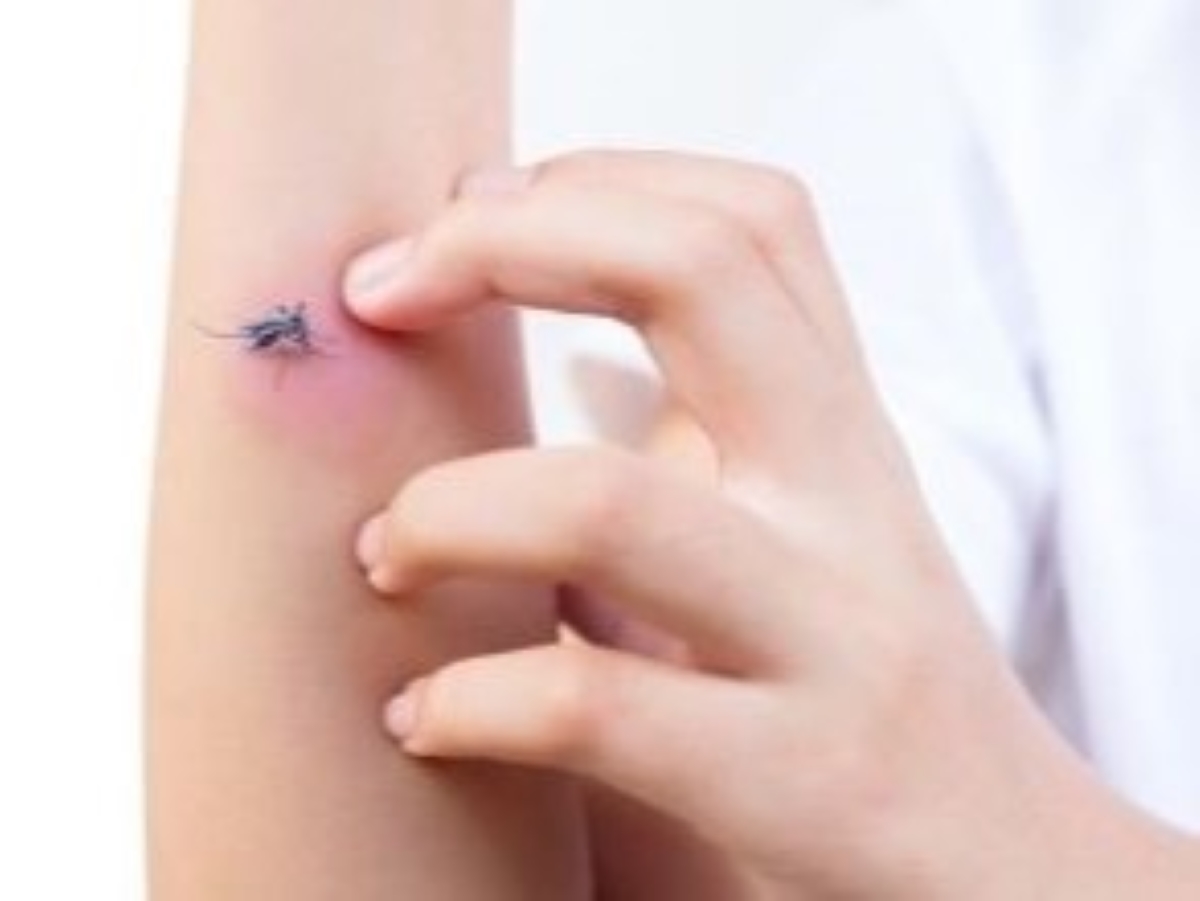
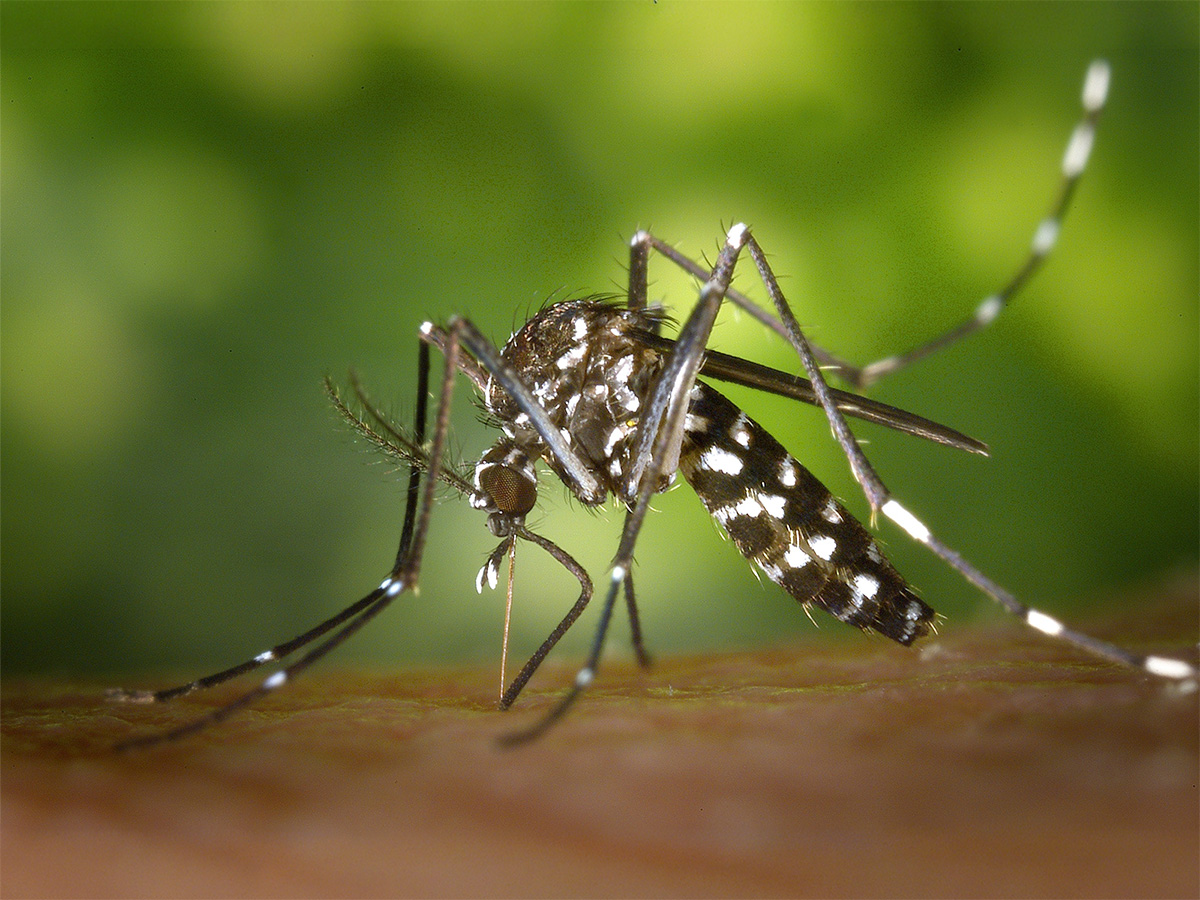
Mosquito bites are more common and usually cause itching and local irritation. Scratching may lead to secondary skin inflammation. In areas where mosquito-borne infections occur, appropriate preventive measures are particularly important.

Did You Know?

Ticks are especially active near woodland paths, low vegetation and shrubs. They climb onto grass and plants and wait with their front legs extended, sensing heat, moisture and carbon dioxide produced by people or animals. Direct contact with vegetation allows them to attach to clothing, skin or even a child's pushchair.

How to Protect Your Child Effectively

Protective clothing is the foundation of prevention. Use long sleeves, long trousers and a hat to reduce exposed skin.

A protective insect net over a pushchair provides an additional physical barrier. When babies play outdoors, a blanket or ground mat can limit direct contact with vegetation and soil.

After returning home, change clothing, shower or wash exposed skin and inspect the entire body carefully. This simple routine is one of the most effective ways to detect ticks early and reduce the risk of complications.

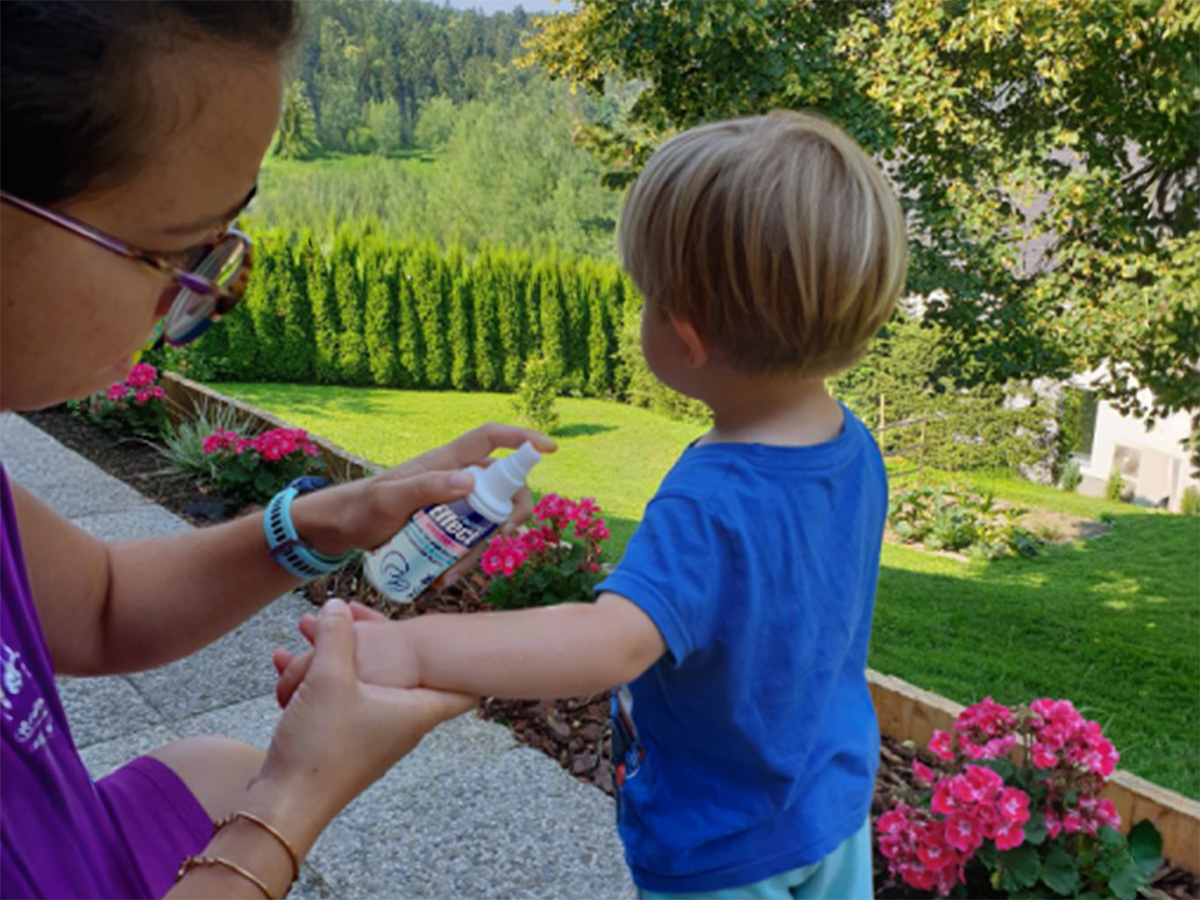
A carefully selected repellent can provide additional protection, but products for babies and young children must be used with particular care. Always choose an authorised product intended for the child's age group, follow the label exactly and avoid applying repellent to the hands, eyes, mouth or irritated skin.

Choose Gentle, Reliable Protection - Effect Protect Sensitive+

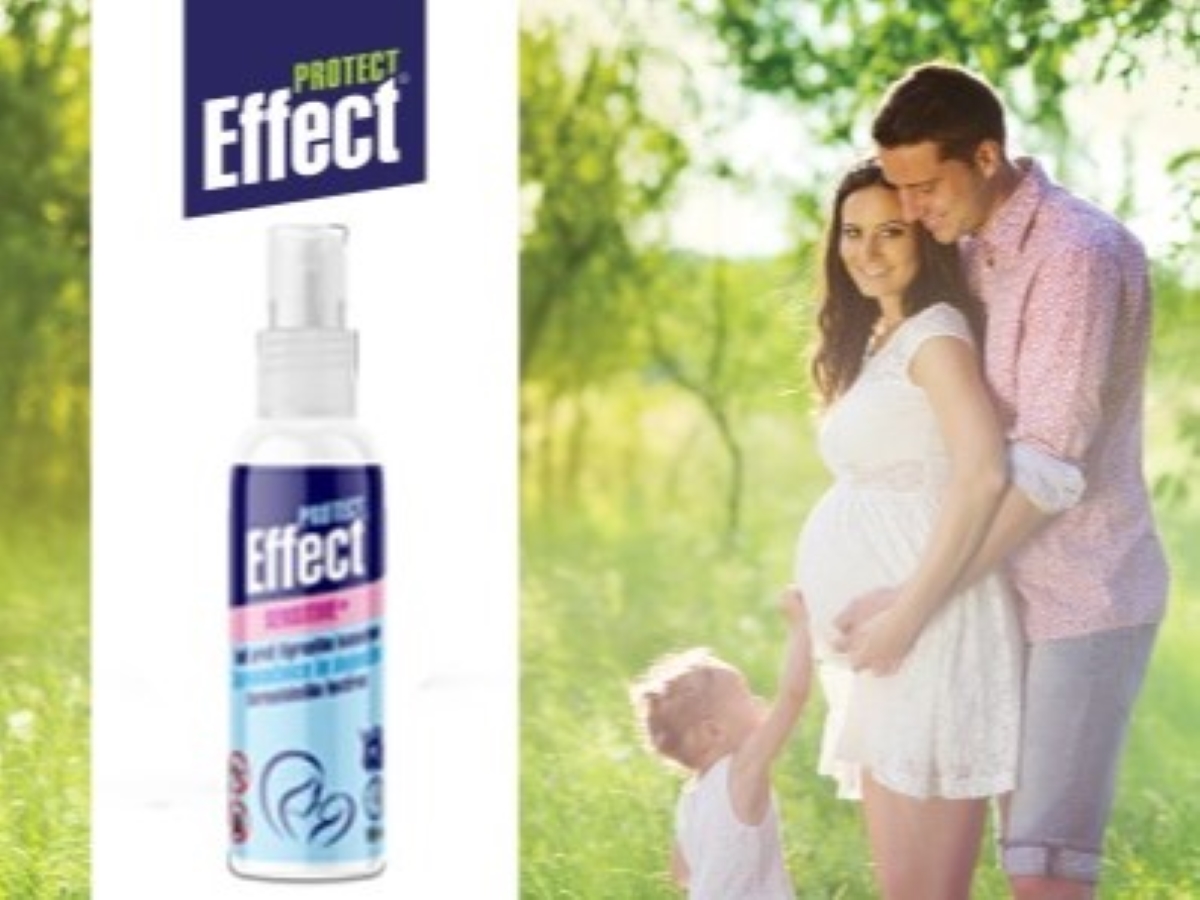
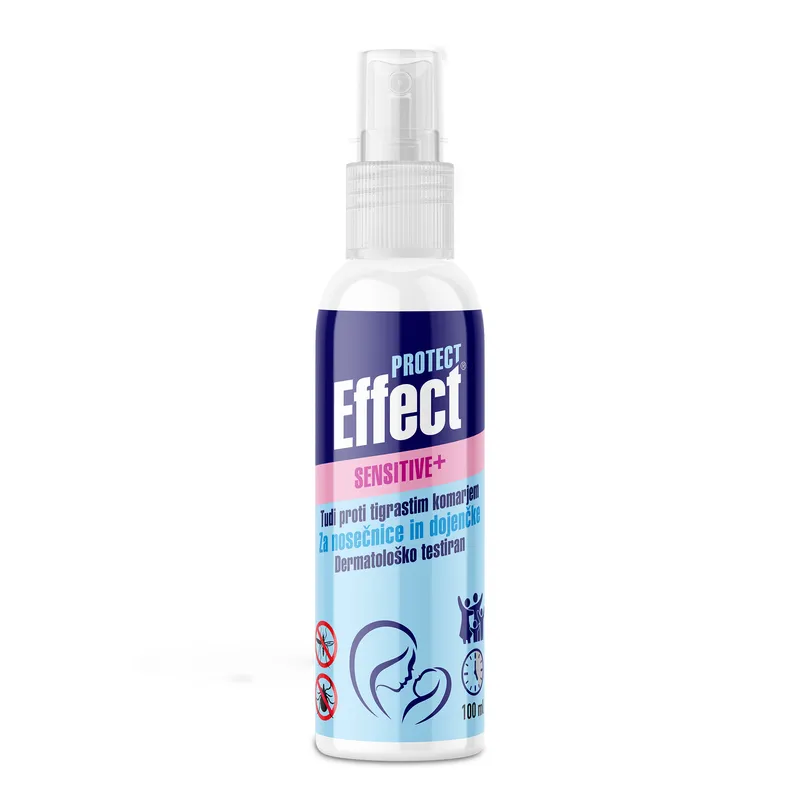
Effect Protect Sensitive+ is designed to combine effective protection with a gentle formulation suitable for sensitive children's skin. It is intended for parents seeking a reliable mosquito- and tick-repellent option for young children.

  • Alcohol-free to minimise irritation of sensitive skin.
  • Plant-derived active substance for effective insect protection. DEET-free formulation.
  • Suitable from 6 months of age when used exactly as directed on the label.
  • Reliable protection against mosquitoes and ticks for outdoor play and exploration.
  • Gentle formulation for sensitive skin. Pleasant feel on the skin.
  • No strong fragrance.

Apply Effect Protect Sensitive+ only as stated on the label. For babies, application may be directed primarily to clothing edges, the pushchair or blanket rather than sensitive skin areas. Never apply it close to the eyes or mouth or to the hands, which children frequently place in their mouths.

What If a Bite Occurs?

If a mosquito or tick reaches the skin, remain calm and respond gently. Cool a mosquito bite with a cold, damp cloth and use a suitable soothing product if needed. Remove an attached tick promptly with fine tweezers, grasping it close to the skin, and clean the bite area. Do not cover the tick with oil or alcohol before removal.

Monitor the affected area. Seek medical advice if redness expands, the site becomes inflamed, the child becomes unusually tired or other concerning symptoms develop. Most bites resolve without complications, particularly when preventive measures have been taken and ticks are removed promptly.

Nature is a wonderful classroom and playground for children of every age. Suitable clothing, careful checks after outdoor activities and a gentle repellent such as Effect Protect Sensitive+ can help children enjoy the outdoors while giving parents greater peace of mind.

Use biocides safely. Always read the label and product information before use.