
A Single Tick Can Have Lasting Consequences

Ticks are a familiar companion of spring and summer. They are found in forests, meadows, gardens and even parks, which makes timely protection and a thorough body check after spending time outdoors essential.

7/8/2026

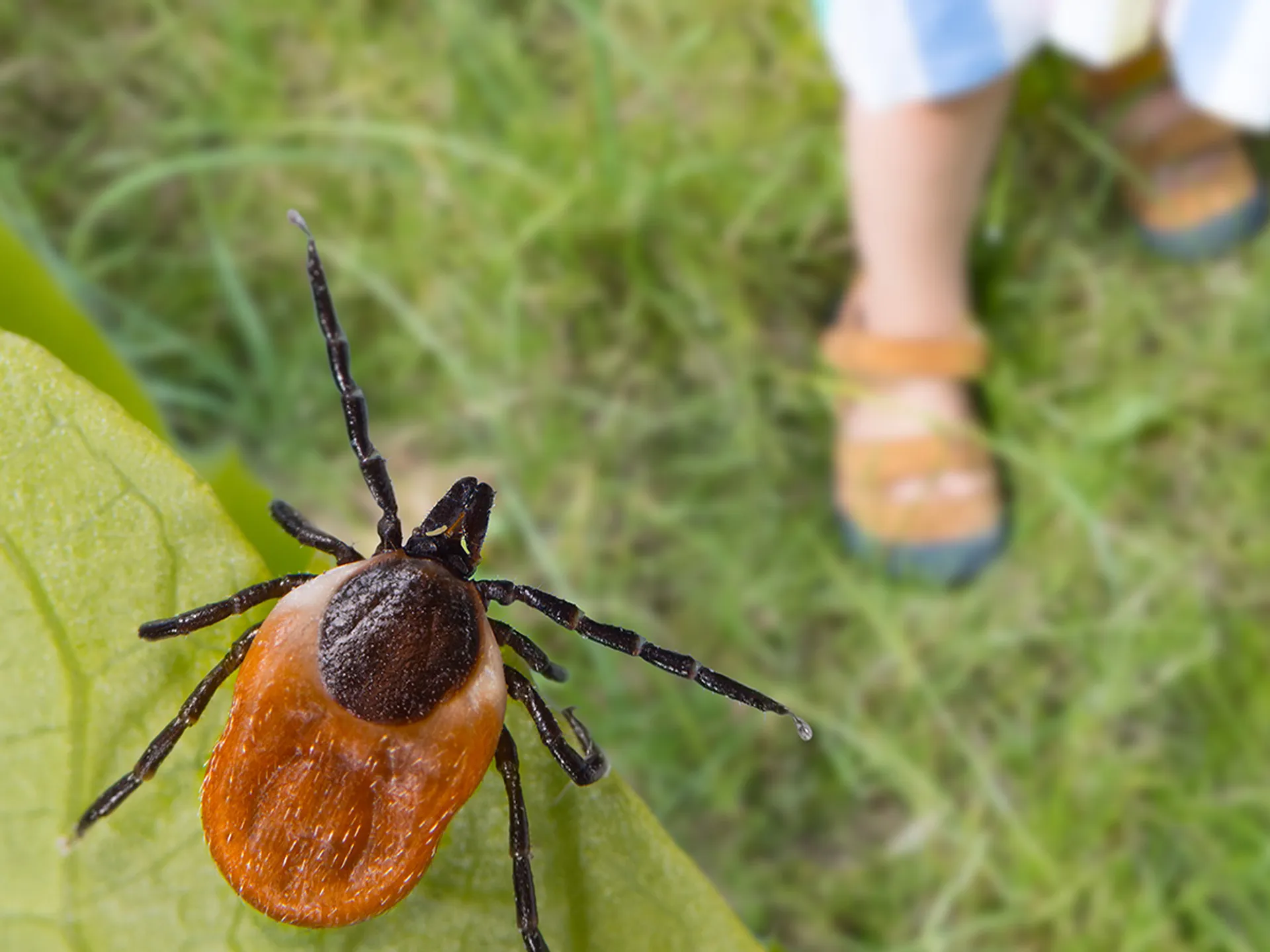
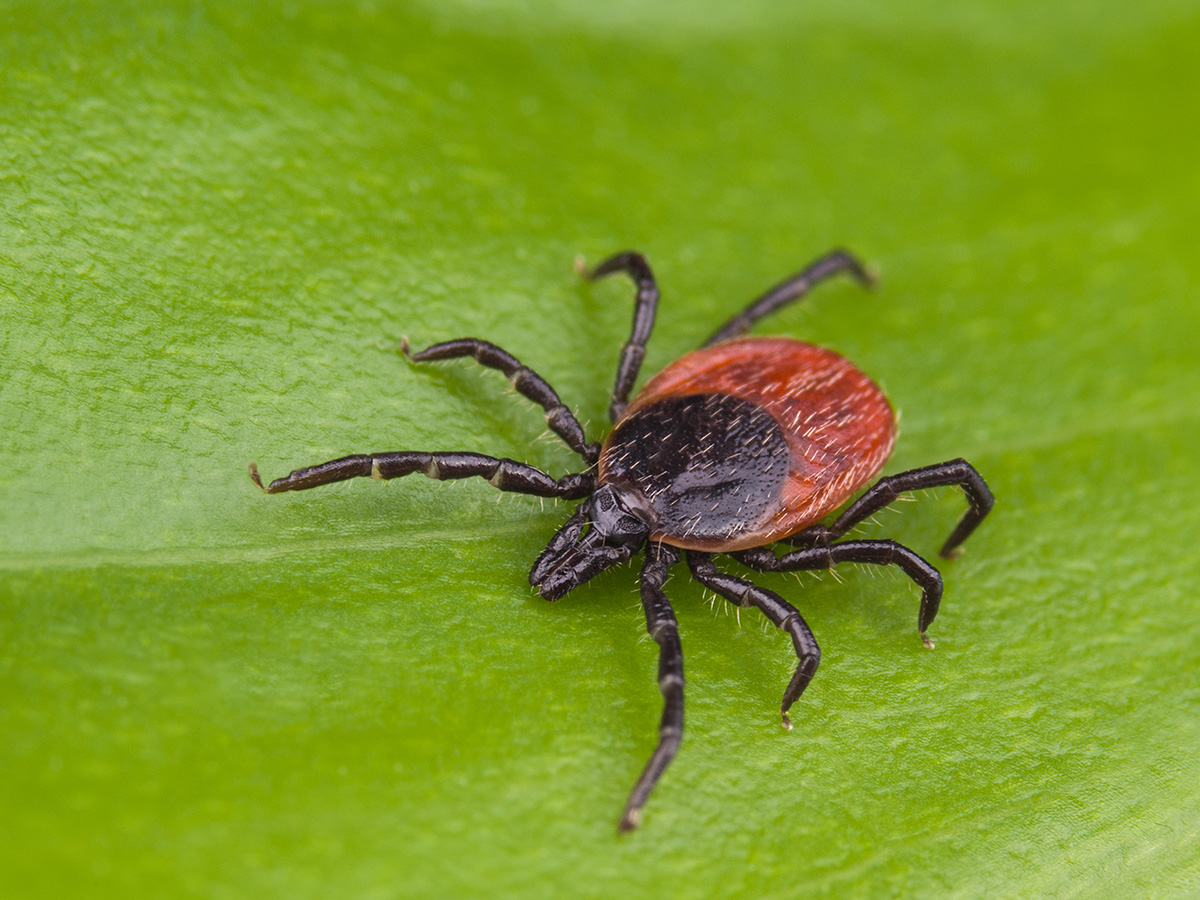
A tick encountered in the meadow behind the house or in a nearby woodland may therefore transmit a serious disease. Ticks are parasites that feed on the blood of animals and people and can carry pathogens acquired from a previous host.

Ticks Become Active in Spring

People spend a great deal of time outdoors, whether walking in nearby forests, hiking in the mountains or working in the garden. Ticks may be present in all these environments. They become inactive during cold winter conditions and become active again as temperatures rise. Because they need blood meals to develop, they are commonly encountered from spring to autumn, with activity often highest between May and October.

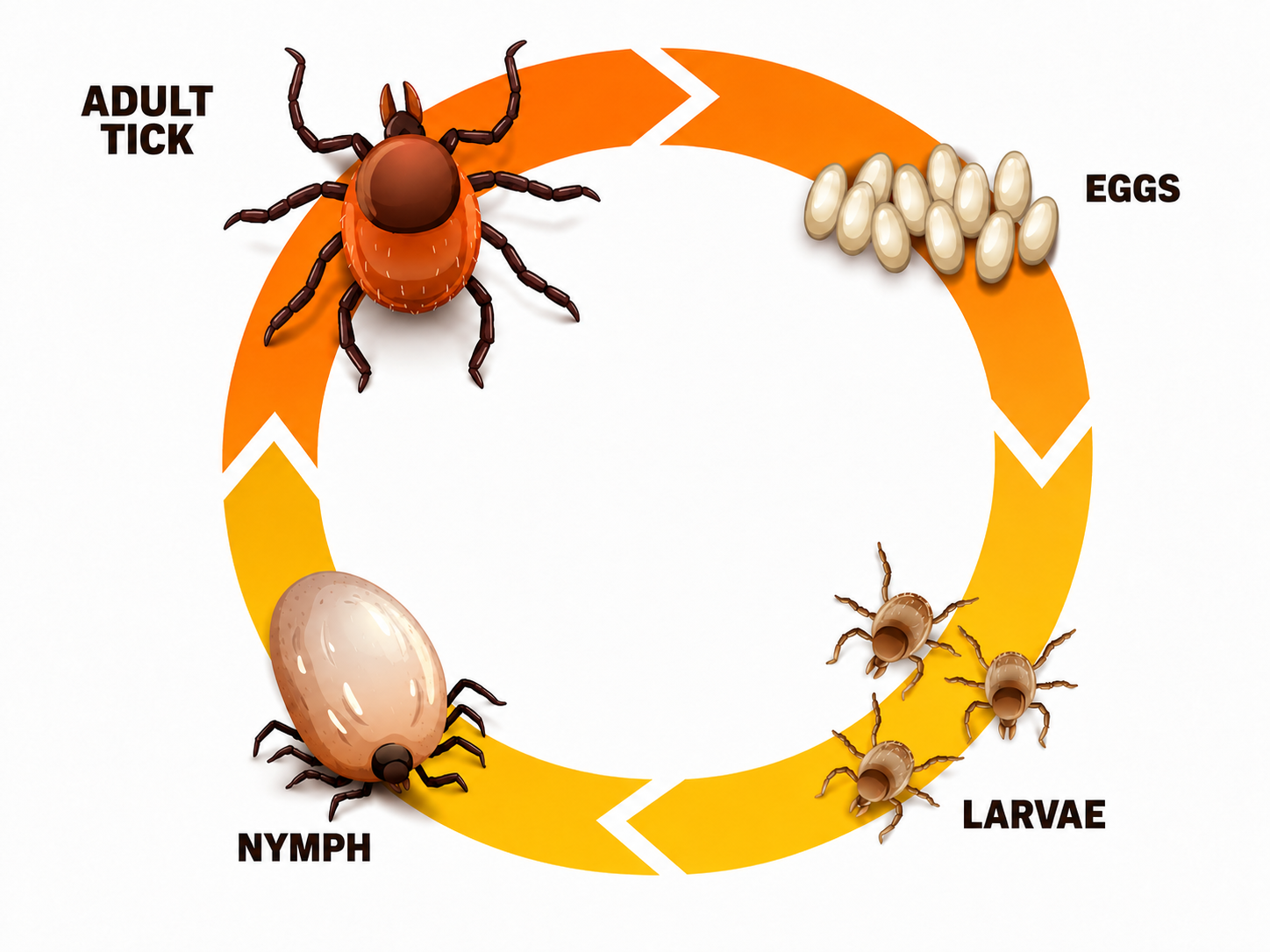
The Tick Life Cycle

A tick needs a blood meal to progress from one developmental stage to the next. Its long life cycle also allows it to retain pathogens for extended periods.

Ticks prefer humid deciduous woodland with dense undergrowth, but they are increasingly encountered in gardens and urban parks as well. They wait on low vegetation and attach to passing hosts. After reaching the body, they look for areas where the skin is soft and well supplied with blood, such as behind the ears, in the armpits, groin, scalp, behind the knees or around the ankles. Their saliva contains substances with an anaesthetic effect, so the bite often goes unnoticed.

How Ticks Find a Host

Ticks do not rely on sight. A specialised sensory organ on their front legs allows them to detect warmth, movement, odours and the carbon dioxide exhaled by a potential host.

They do not jump or fly; instead, they cling to a person or animal when direct contact is made with vegetation.

They then crawl to a suitable area of thin skin, insert their feeding mouthparts and release saliva containing anticoagulants and anaesthetic substances. The risk lies in this saliva, because an infected tick can transmit disease-causing microorganisms to a new host while feeding.

Why the Bite Often Goes Unnoticed

Tick salivary glands release enzymes, anticoagulants and anaesthetic substances. This is why the initial bite is usually not felt. Prompt removal is important, as the probability of transmission of some tick-borne pathogens may increase the longer an infected tick remains attached.

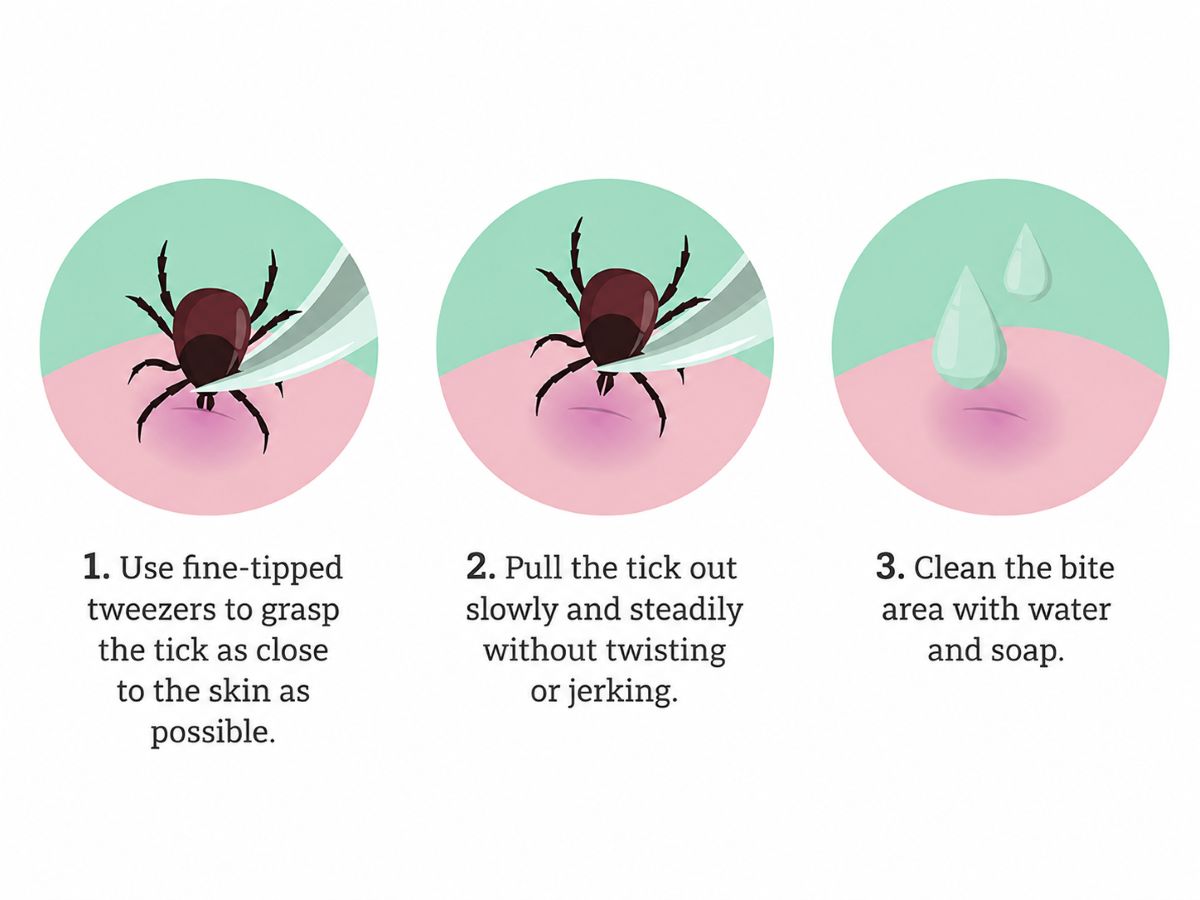
How to Remove a Tick

Use fine, pointed tweezers. Grasp the tick as close to the skin and its mouthparts as possible, not by the swollen abdomen, and pull steadily upwards. Do not cover the tick with oil, petroleum jelly or other greasy substances, as irritation may increase the release of saliva and gut contents.

Diseases Transmitted by Ticks

Slovenia is an area where tick-borne infections occur frequently. The two best-known diseases are Lyme borreliosis and tick-borne encephalitis.

Lyme borreliosis is the most common tick-borne disease in Slovenia and occurs throughout the country. It is caused by Borrelia bacteria. There is currently no human vaccine against Lyme borreliosis.

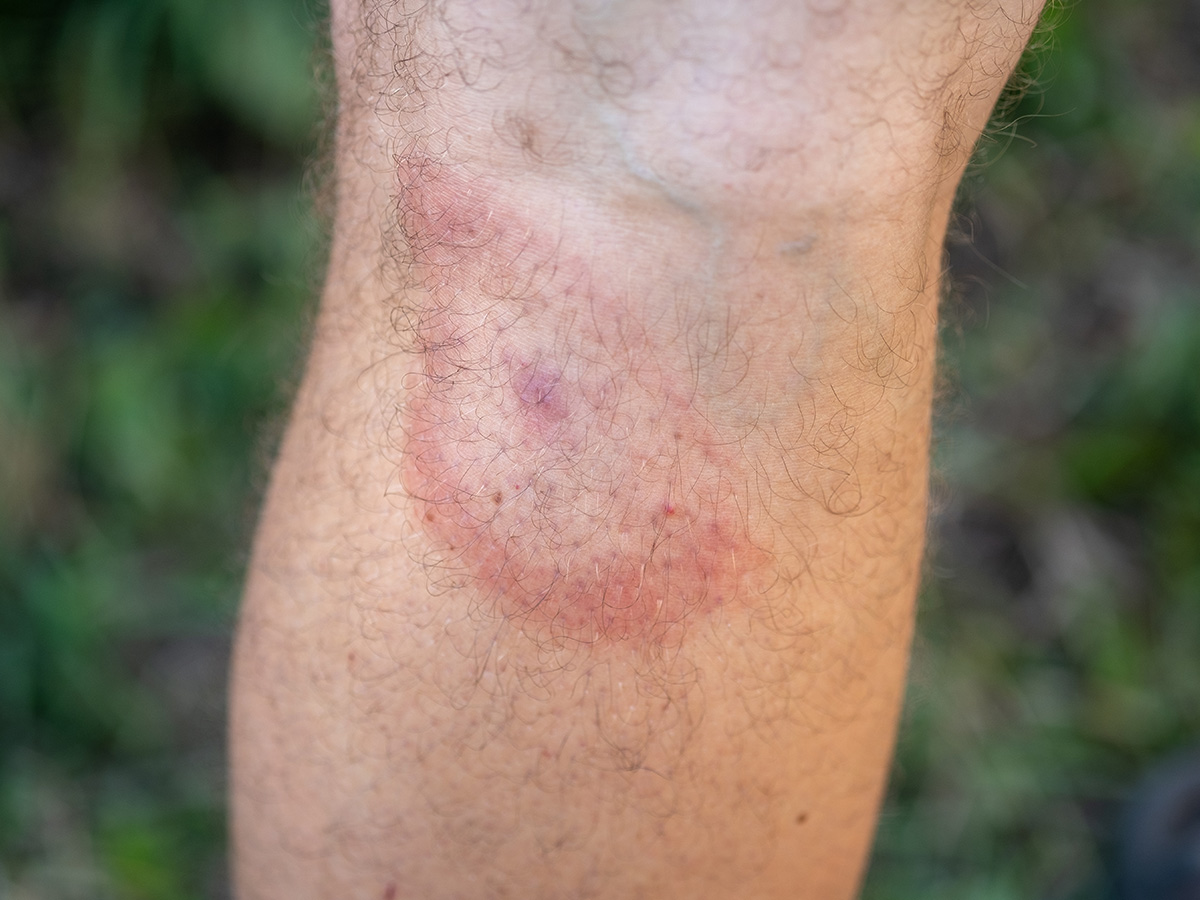
The first signs may appear several days to several weeks after infection. A painless area of redness may gradually expand outwards and form a ring with a paler centre. The rash does not always develop directly at the bite site and may be absent in some infected people.

If untreated, the infection can affect the nervous system, joints or heart. Anyone who develops an expanding rash or other concerning symptoms after a tick bite should seek medical advice promptly. Lyme borreliosis is treated with antibiotics.

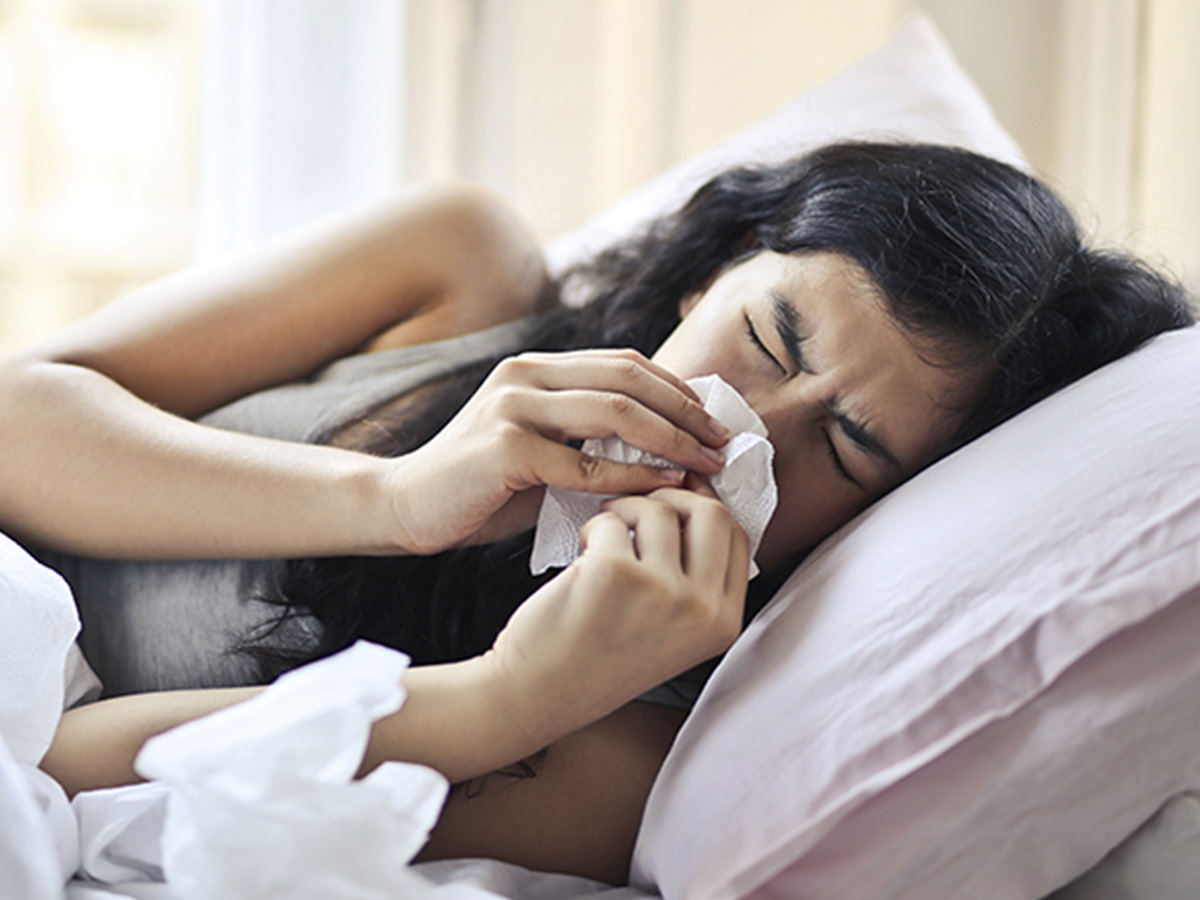
Tick-borne encephalitis is a serious viral infection of the central nervous system transmitted through the bite of an infected tick. In the initial phase, symptoms may resemble influenza, with headache, fever and muscle pain. After a temporary improvement, a second phase may occur with high fever, severe headache, nausea, vomiting, tremor and, in some cases, impaired consciousness or concentration.

There is no specific antiviral treatment for TBE, but vaccination provides effective prevention. Booster intervals should follow current public-health recommendations.

Prevention Is the Best Protection Against Ticks

When visiting gardens, meadows, forests or mountains, use a combination of protective measures. Wear long, preferably light-coloured clothing, tuck trousers into socks and use suitable footwear and head covering. High boots can be useful when working in the garden.

Pets can also bring ticks into the home, so they should be appropriately protected and checked regularly. Around the home, mow lawns frequently and avoid dense, unmanaged vegetation where ticks can remain.

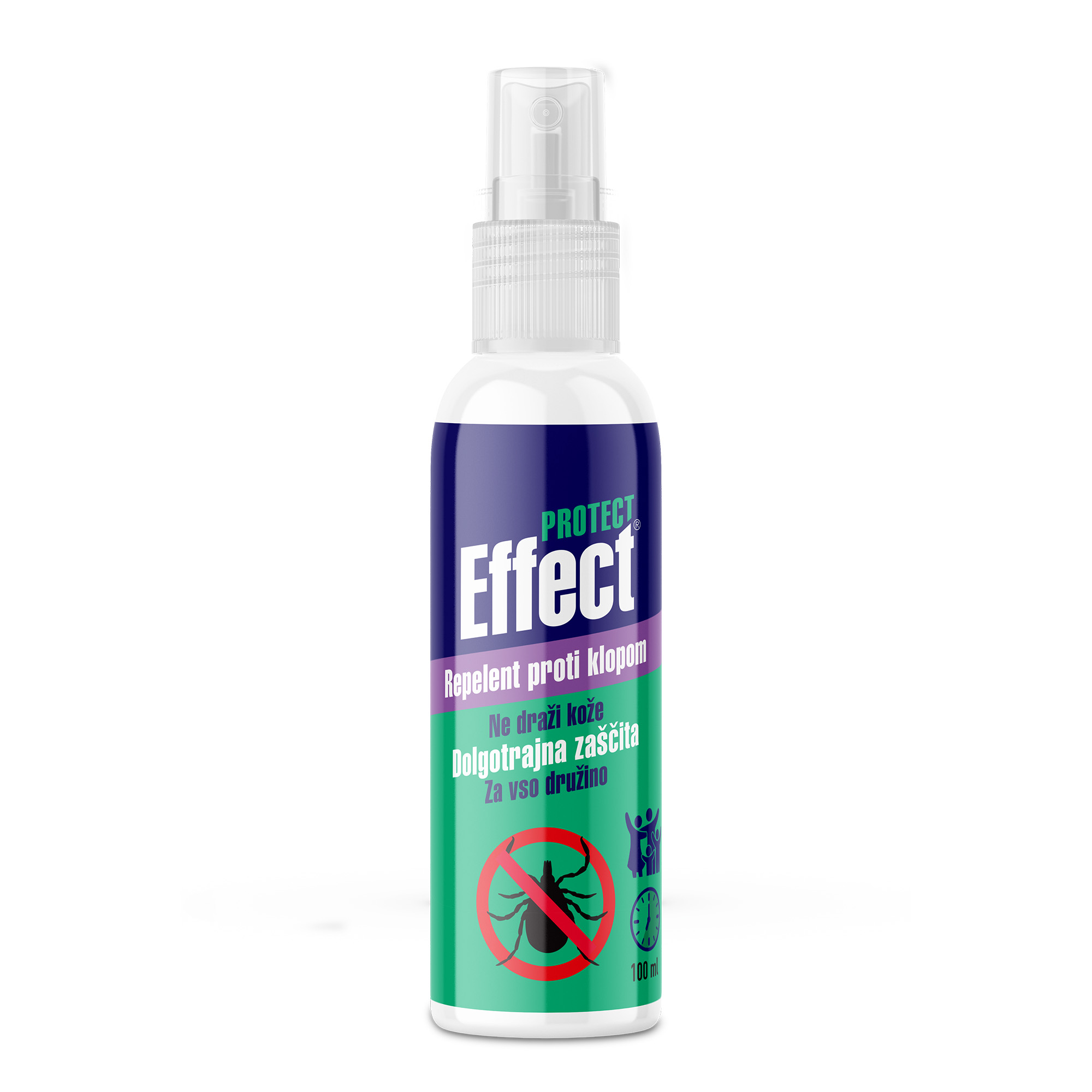
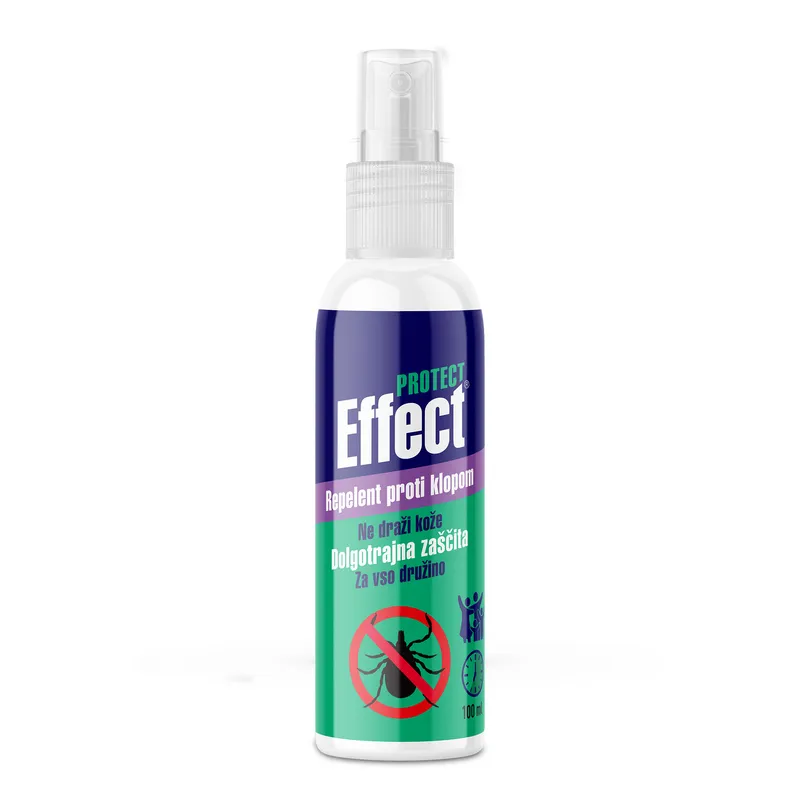
For additional protection, apply a suitable tick repellent. Effect Protect Ticks Repellent can be applied to exposed skin or clothing in accordance with the product label and provides protection for up to 7 hours. Its gentle, creamy lotion has a dry, non-sticky feel and is suitable for the family, including children over 3 years of age, when used as directed. It can also be used alongside sunscreen.

  • Pleasant feel on the skin.
  • No strong fragrance.
  • Suitable for the whole family.
  • Ideal for outdoor activities.
Effect Protect Repelent proti klopom