How to Remove a Wasp or Hornet Nest Safely
Wasp and hornet nests close to the home can present a serious risk, particularly when disturbed. Learn how to recognise them, when removal is necessary and how to approach treatment as safely as possible.
.png)
Many people consider wasps to be among the more dangerous and aggressive animals they may encounter and certainly do not want them nearby. A wasp sting can cause very unpleasant skin reactions and, for people with allergies, may even be life-threatening.
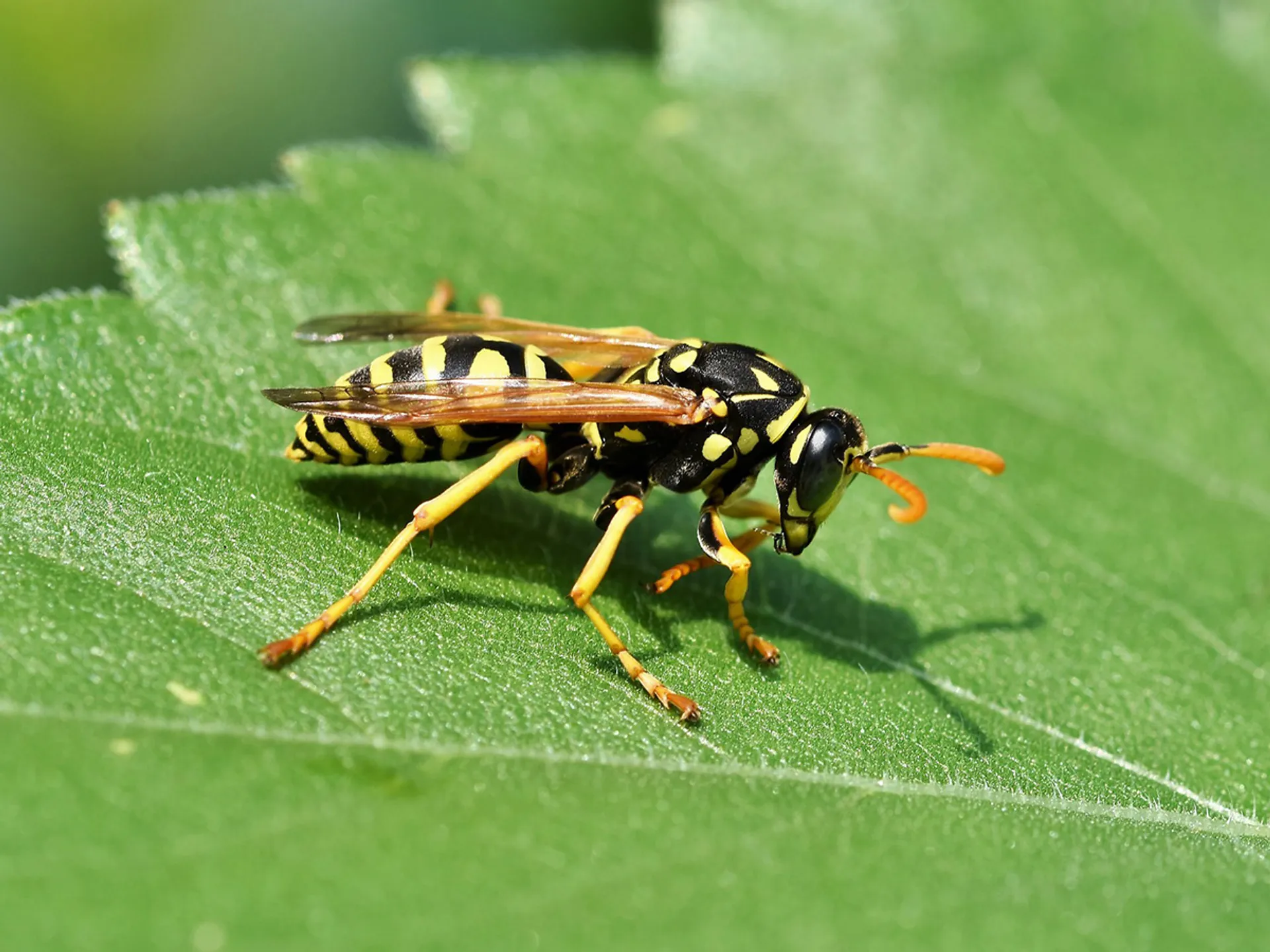
Wasps generally do not attack people unless they feel threatened. Of course, humans and wasps perceive these encounters differently. A wasp may simply be looking for food for itself, the queen or the larvae in its nest. People, however, often see this as an invasion of personal space that can end in only two ways: a painful sting or a crushed wasp.
Fear and panic often lead to frantic swatting with the nearest available object. This can further agitate the wasp. In response, it may release an alarm pheromone that attracts other wasps in the area, making the situation feel as though the battle has already been lost.
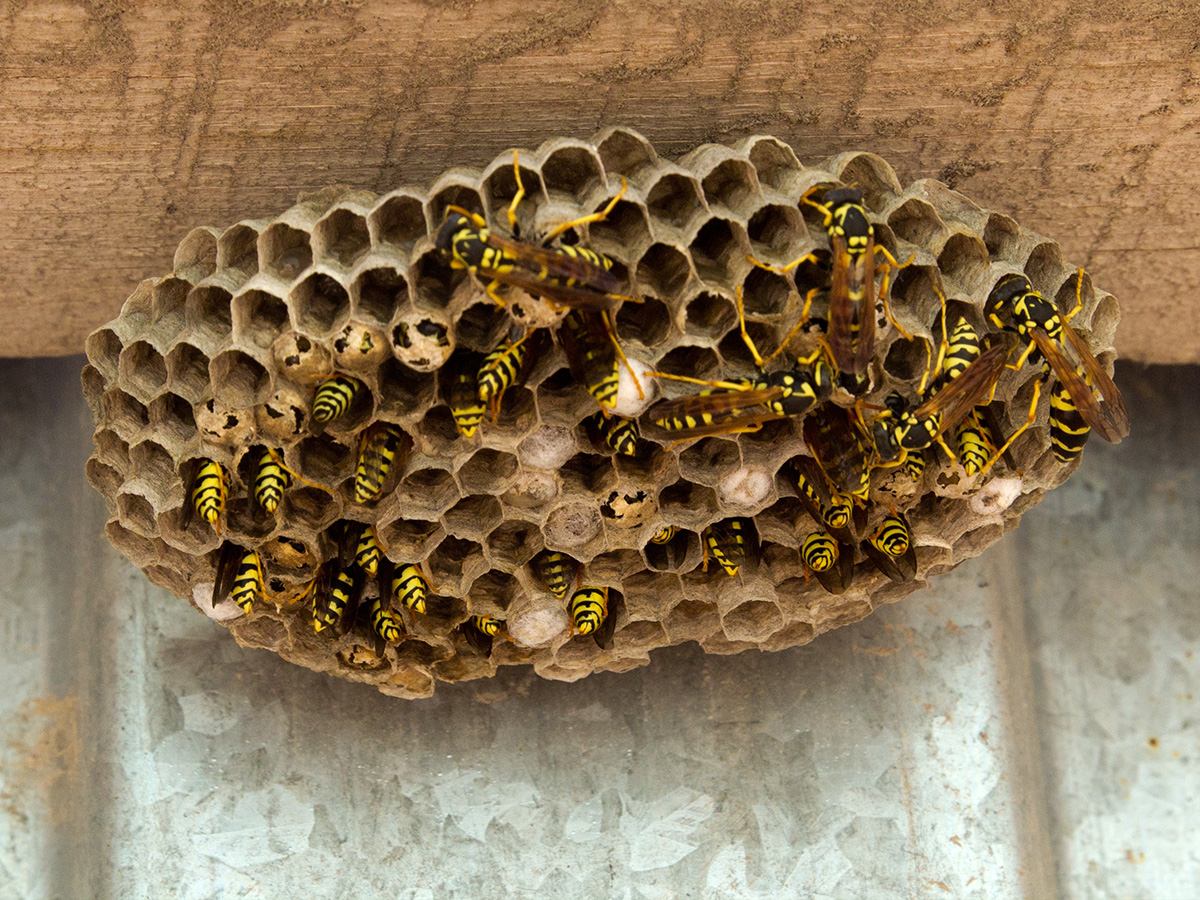
Wasps construct their nests from chewed wood pulp mixed with saliva, giving the nest its characteristic papery appearance. A nest made from mud or soil is therefore not a typical social-wasp nest.
Wasps usually nest in places protected from the weather. Many species nest in the ground, while nests found in buildings are often ball-shaped. They may be hidden in holes in the soil, rocky areas, around tree roots, beneath roof eaves, in piles of waste or discarded materials such as old timber, unused play equipment, dog kennels or old furniture.
If you want to remove wasps from the immediate surroundings, the first step is to locate the nest. Because wasps may forage several hundred metres away from it, cooperation with nearby neighbours may sometimes be necessary.
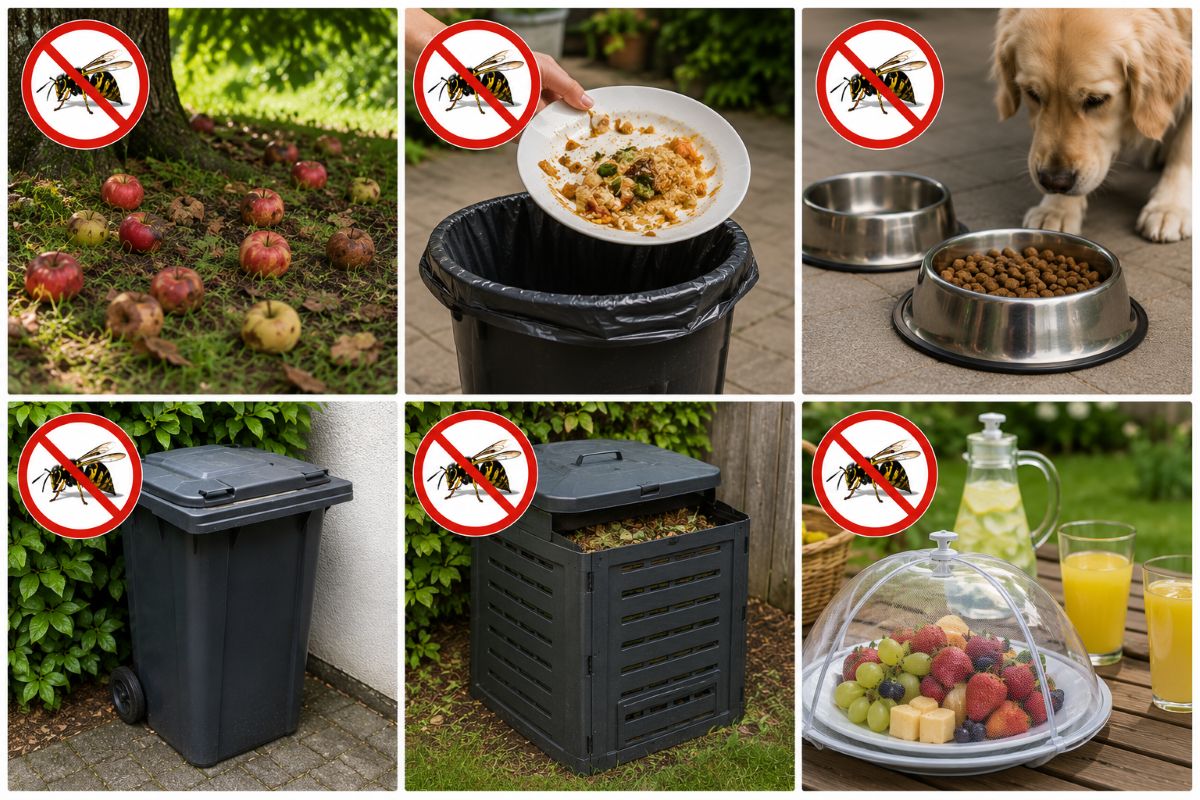
Wasps are mainly attracted by easily accessible food and water. A few simple measures can considerably reduce the likelihood of them remaining around your home.
To reduce wasp activity:
Reducing access to food and water is one of the most effective ways to ensure that wasps around the home remain occasional visitors rather than a persistent problem.
When preventive measures are not sufficient and larger numbers of wasps or hornets appear near the home, an appropriate insecticide may be required. Acting in time can help prevent nesting and reduce the risk of unpleasant encounters and stings.
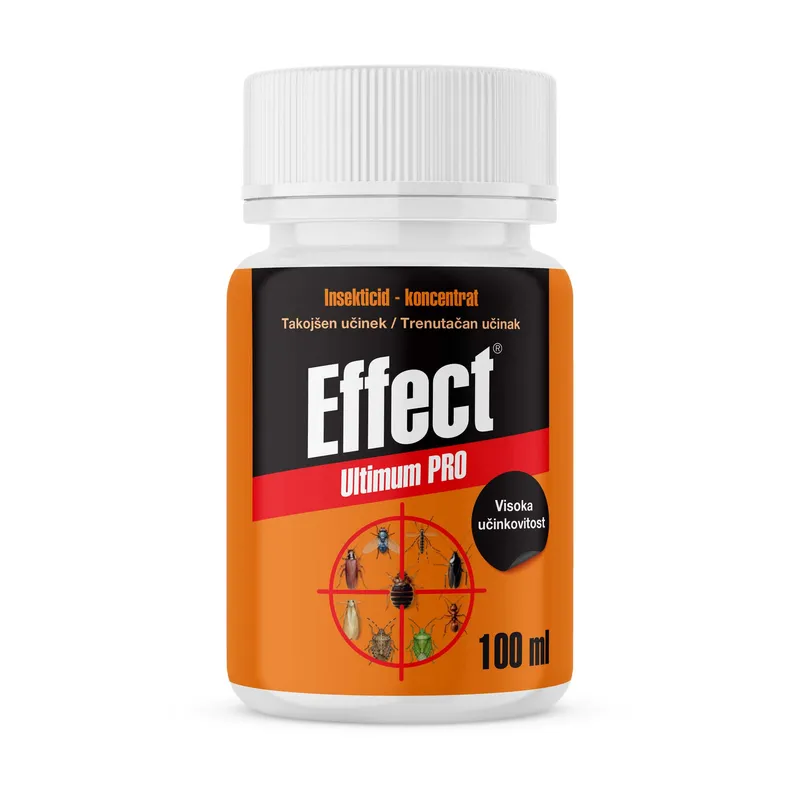
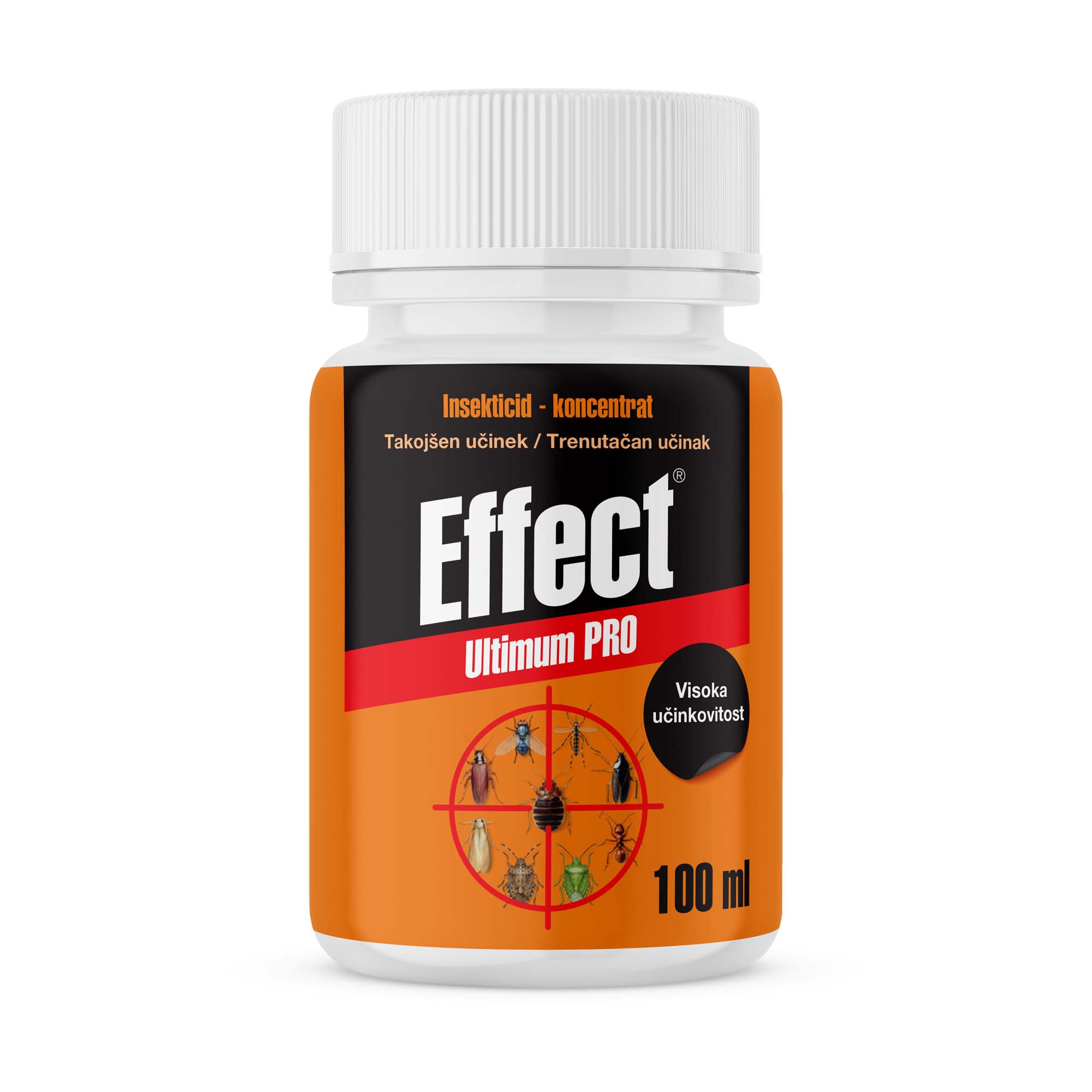
For preventive treatment of exterior surfaces, Effect Ultimum PRO may be used in accordance with the product label. This concentrate provides rapid action and extended protection and can be applied to exterior walls, façades, roof eaves, window frames and other areas where wasps or hornets commonly rest or begin building nests. A pressure sprayer or motorised sprayer may be useful for larger surfaces.
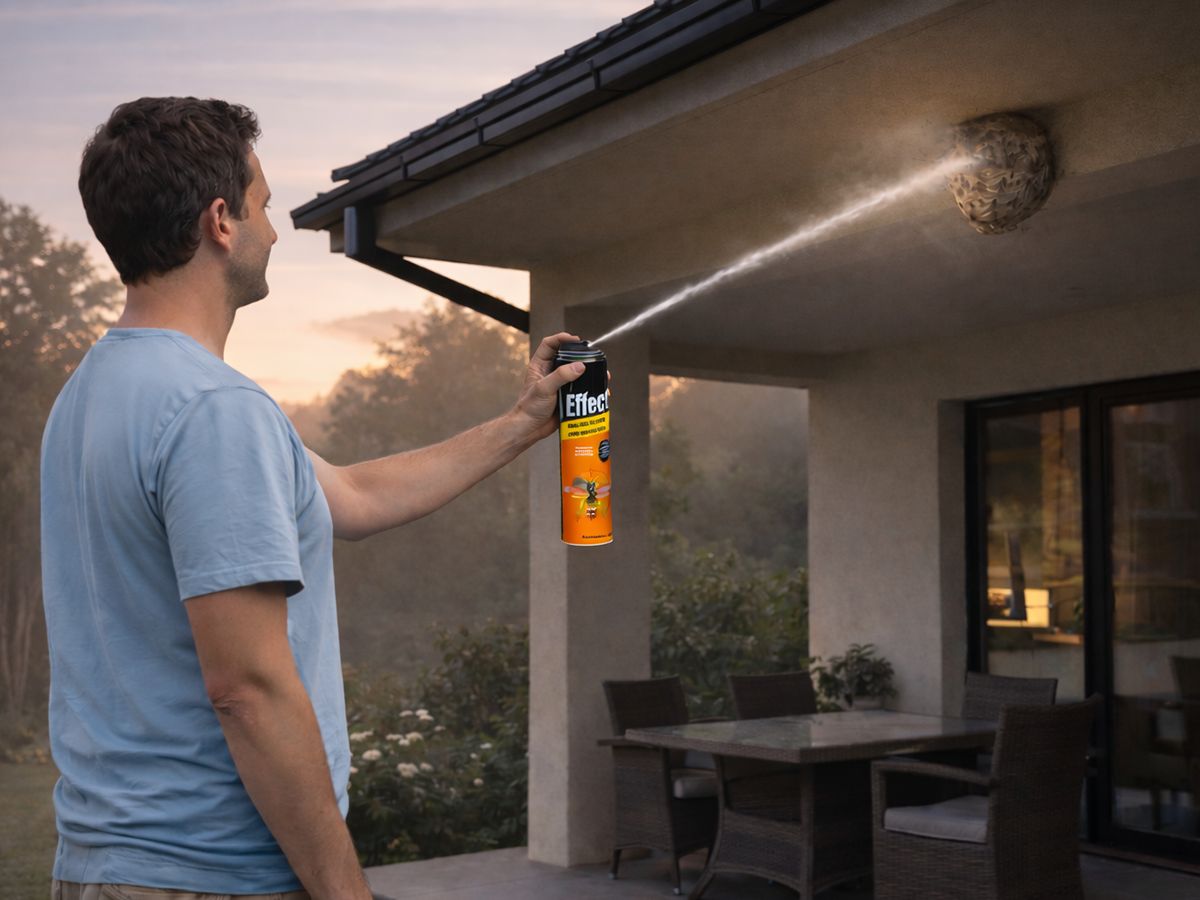
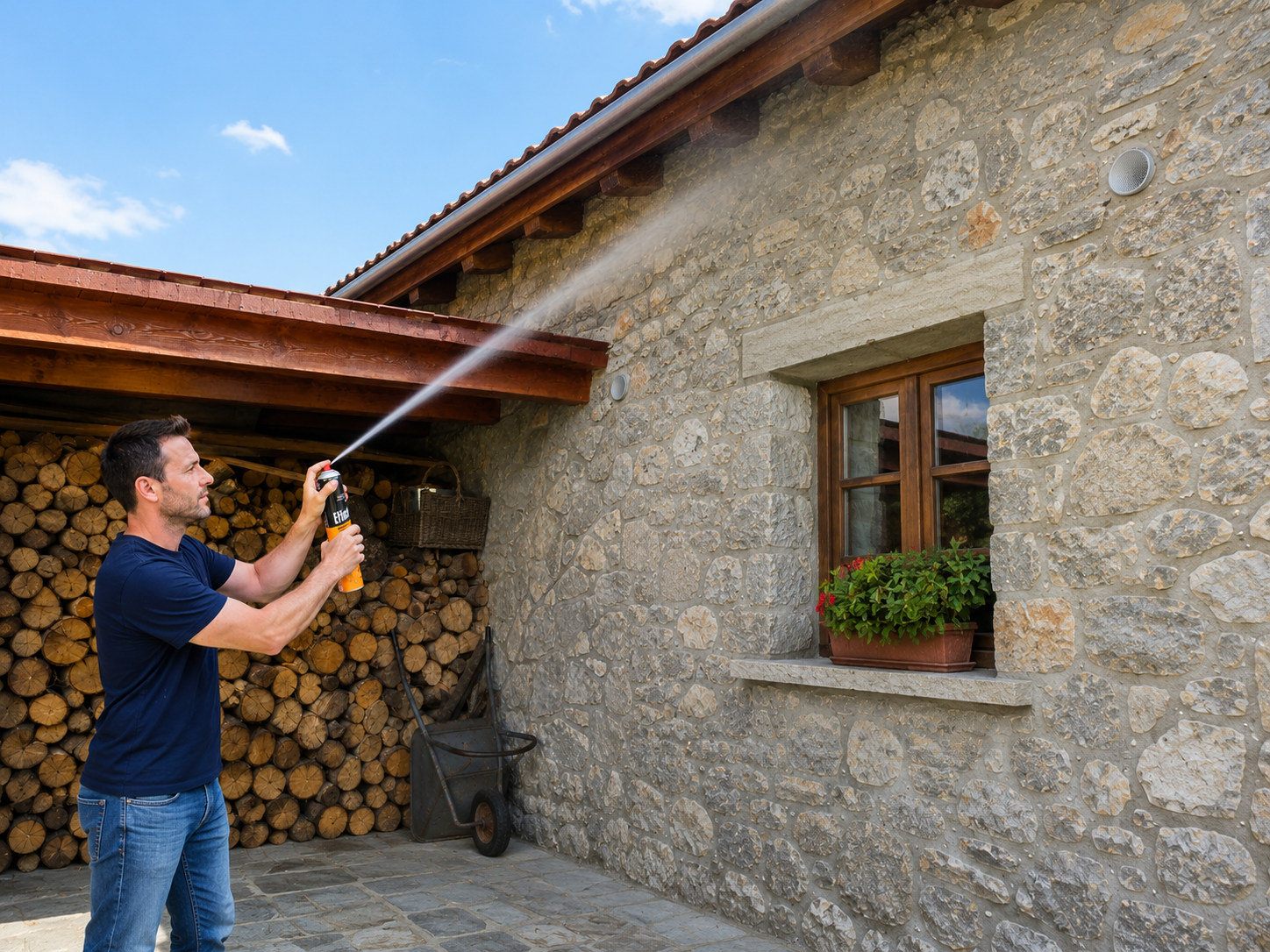
If a nest is already present, use a dedicated product for direct control of wasps and hornets. Such aerosols allow treatment from a safer distance and act on adult insects in and around the nest.
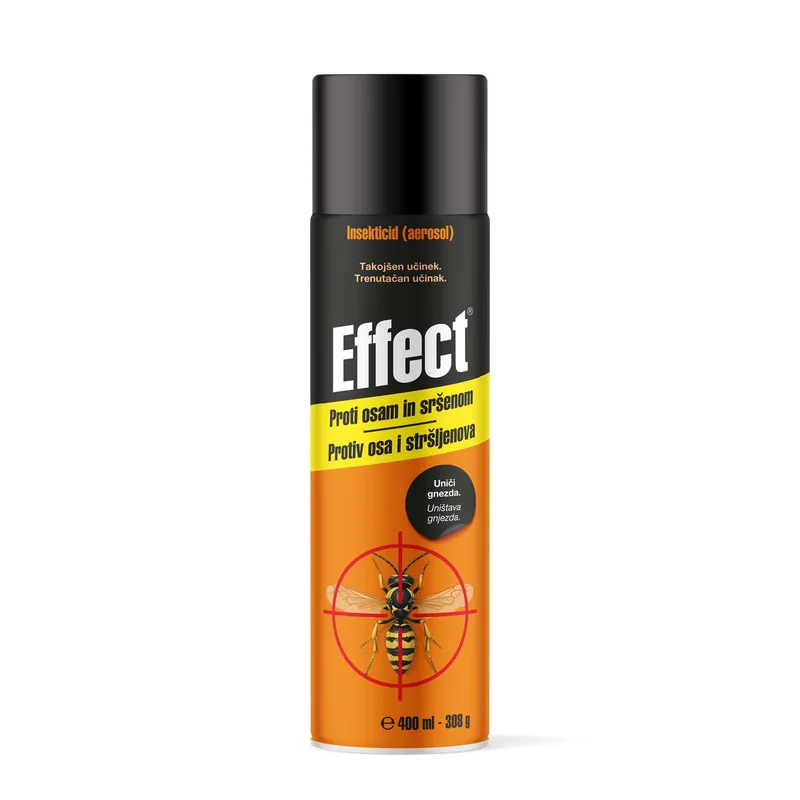
For rapid and effective treatment of wasp and hornet nests, use Effect against Wasps and Hornets Aerosol. Its special nozzle allows accurate application from a greater distance, increasing user safety during treatment. The product acts quickly and helps prevent wasps and hornets from returning to the treated nest.
Product Benefits:
Use biocides safely. Always read the label and product information before use.
Wasp and hornet nests close to the home can present a serious risk, particularly when disturbed. Learn how to recognise them, when removal is necessary and how to approach treatment as safely as possible.
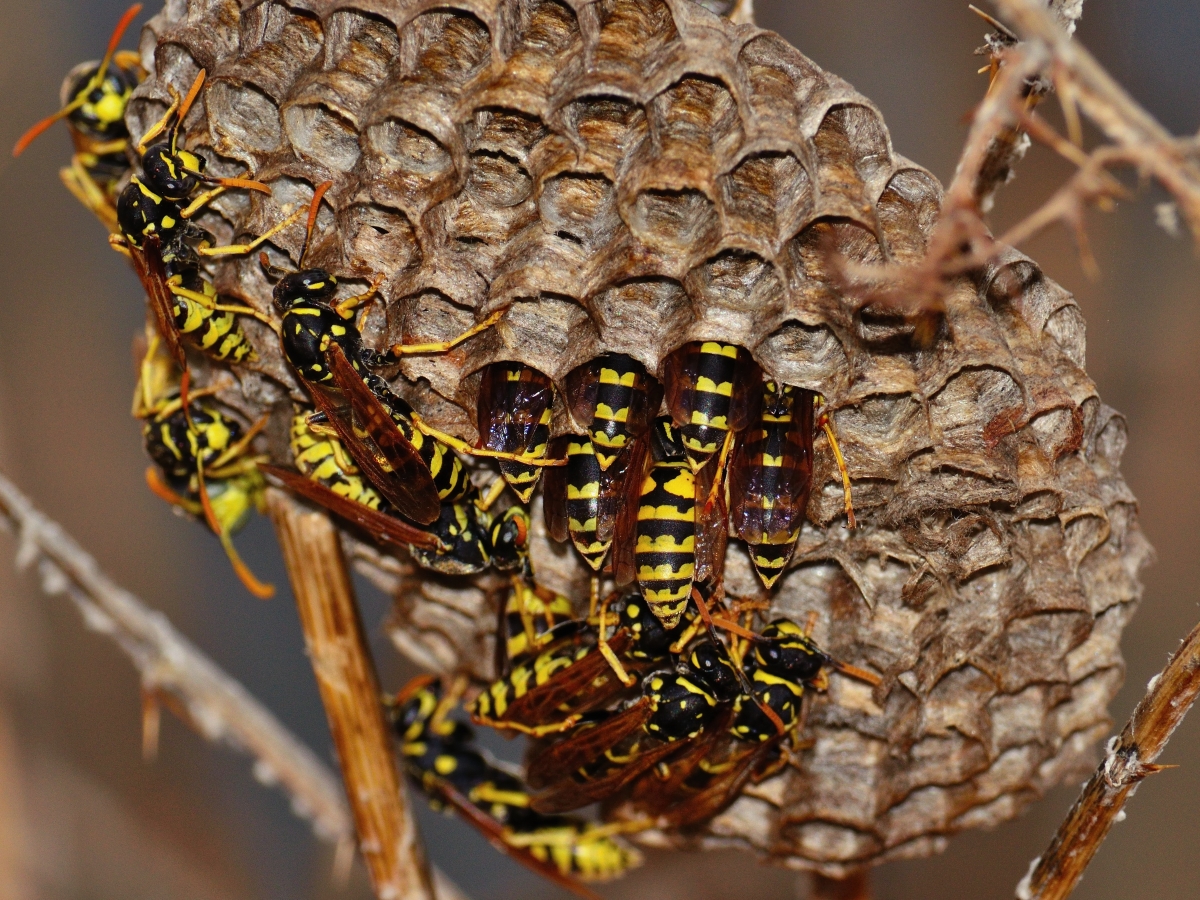
Wasps are common visitors to gardens, terraces and balconies, particularly during the summer months. Their stings are painful, and nests near the home may pose a risk to people, especially those with allergies. Timely action and suitable solutions can effectively limit their presence.