Wasps

Wasps are common visitors to gardens, terraces and balconies, particularly during the summer months. Their stings are painful, and nests near the home may pose a risk to people, especially those with allergies. Timely action and suitable solutions can effectively limit their presence.

6/30/2026

Wasps – Effective Control Around the Home

Wasps are most active from late spring until early autumn, when they search for food and build nests. They are most commonly encountered near gardens, terraces, balconies, restaurants and other areas where sweet drinks, fruit or food residues are available.

If wasps build a nest near the home, their presence can quickly become dangerous. It is therefore important to identify the nest early and take action safely.


Why Do Wasps Appear Near the Home?

Wasps search for food, water and suitable nesting sites. In spring, queens begin building new nests, which grow rapidly throughout the summer.

Their presence is most commonly encouraged by:

  • sweet drinks,
  • ripe fruit,
  • food residues,
  • meat and fish,
  • open waste containers,
  • flowering plants,
  • compost bins,
  • suitable nesting sites.

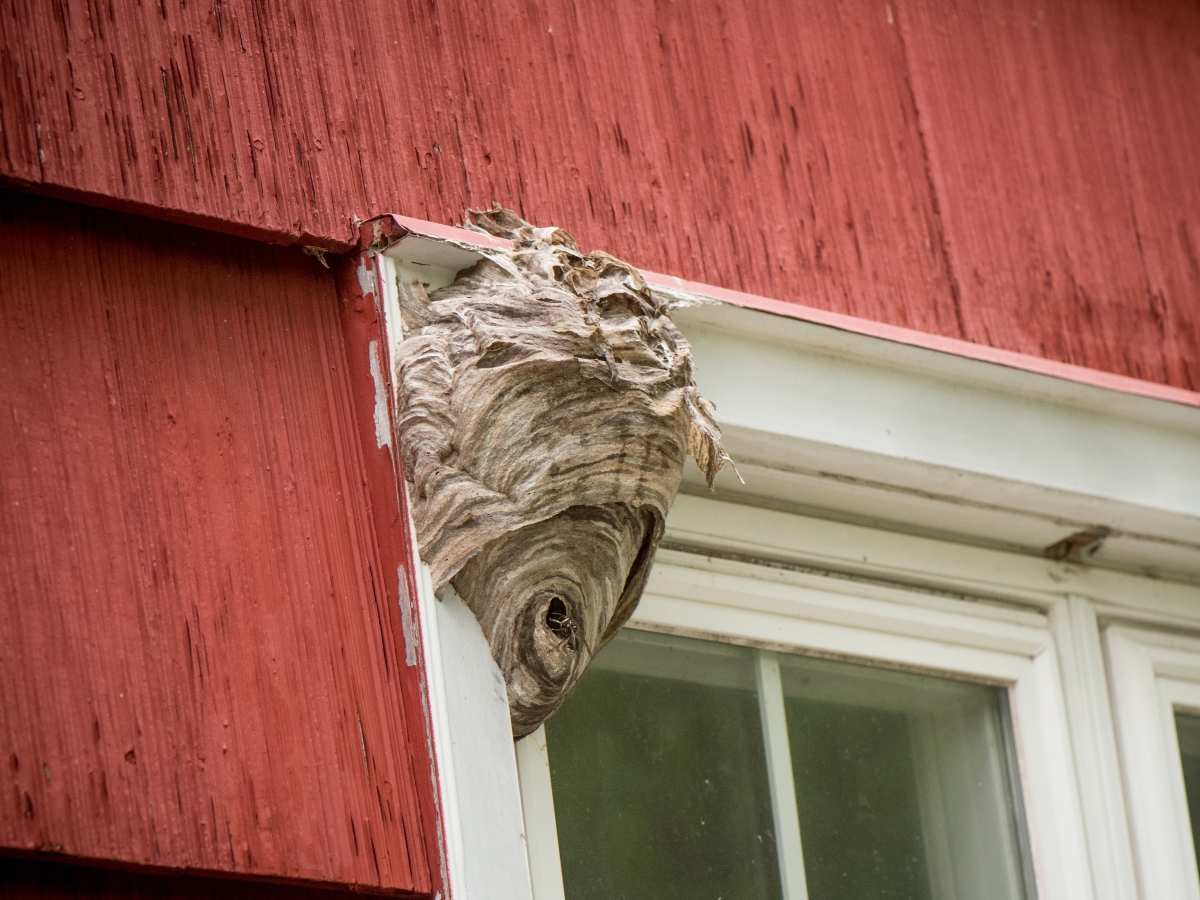
Wasps most often build nests beneath roof eaves, in attics, garden sheds, wall cavities or other sheltered spaces.

Why Are Wasps a Problem?

Wasps are an important part of the natural environment, but they can become a serious nuisance when they are close to people. Their stings pose the greatest risk, particularly when they defend a nest or feel threatened.

A wasp sting may cause:

  • severe pain,
  • redness,
  • swelling,
  • a local allergic reaction.

Sensitive individuals may experience a more serious allergic reaction requiring immediate medical attention. Stings to the face, mouth or throat and multiple stings are particularly dangerous.

In addition to the health risk, large numbers of wasps may make it difficult to use gardens, balconies, terraces and other outdoor areas.

Where Are Wasps Most Commonly Found?

Wasps build nests in sheltered locations where they are protected from the weather and food is readily available nearby.

They are most commonly found:

  • beneath roof eaves,
  • in attics,
  • in garden sheds,
  • in garages,
  • in shrubs,
  • in tree hollows,
  • in wall cavities,
  • in the ground.

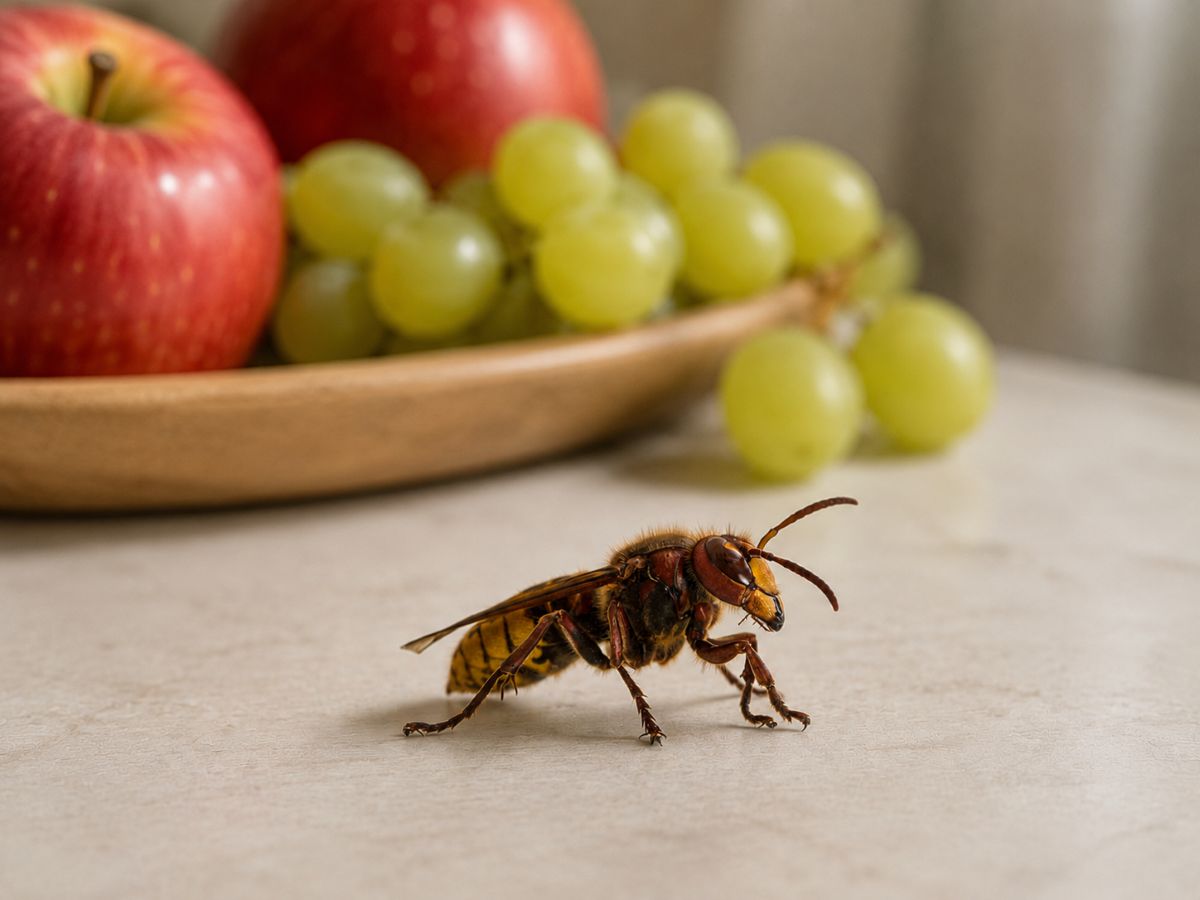
Individual wasps are also frequently seen on terraces and balconies, at picnics, in orchards and near outdoor waste bins.

How Can You Recognise the Presence of Wasps?

Individual wasps are common during summer. A larger number repeatedly appearing in the same location often indicates that a nest is nearby. Pay particular attention if wasps continuously follow the same flight path or disappear into a specific opening.

The most common signs of wasp activity are:

  • frequent wasps around food and drinks,
  • large numbers of wasps on a terrace, balcony or in the garden,
  • repeated flight in the same direction,
  • wasps entering beneath a roof, into a facade or garden shed,
  • a visible nest beneath an eave, in an attic or shrub.

If you notice increased wasp activity in one location, do not approach the nest or attempt to remove it without suitable protection.

How Can You Get Rid of Wasps Effectively?

If wasps appear only occasionally, their presence can be reduced by removing food sources and restricting access to potential nesting sites.

We recommend:

✔ clearing away food residues and sweet drinks,

✔ emptying waste containers regularly,

✔ removing overripe fruit,

✔ sealing openings that provide access to buildings,

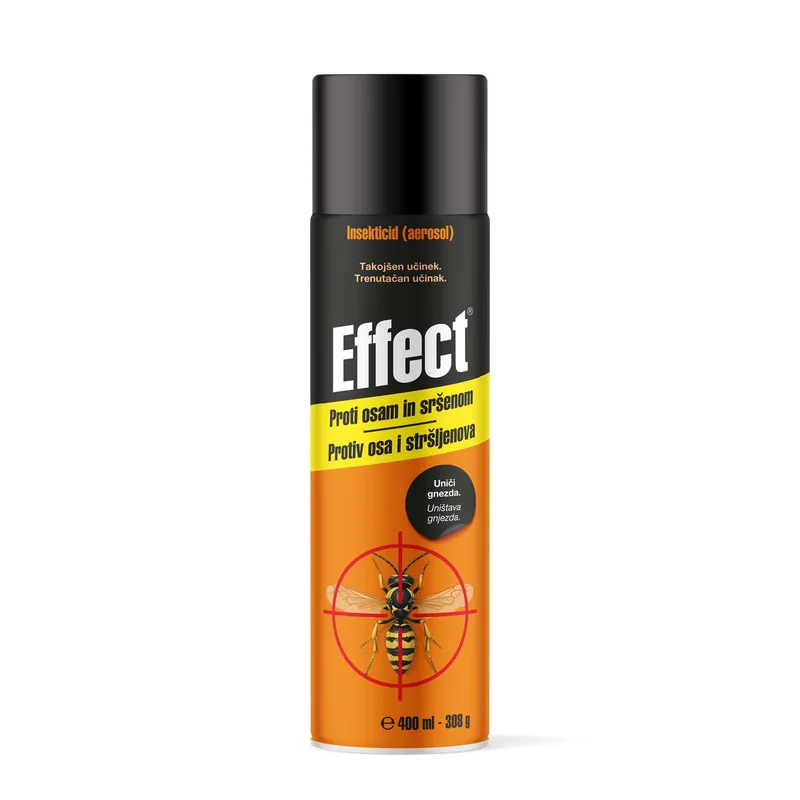
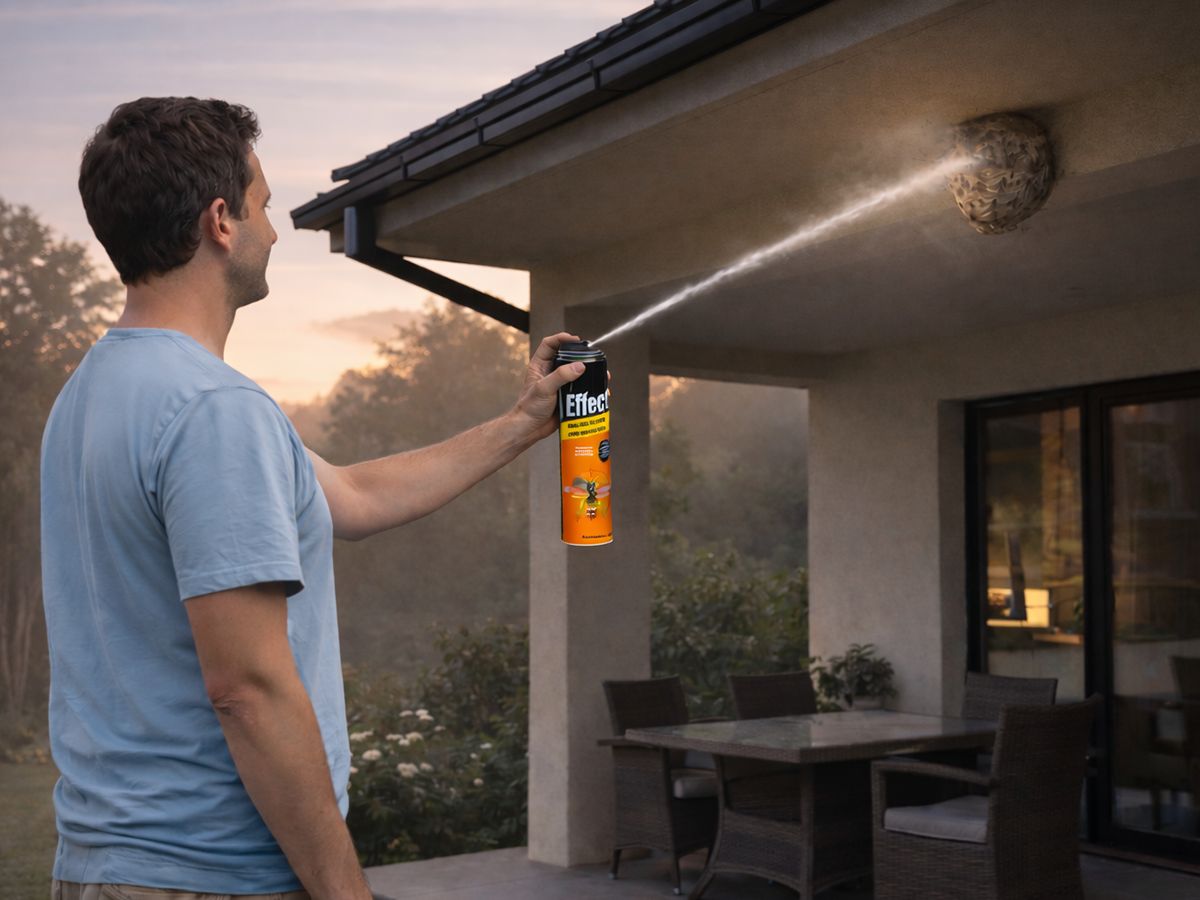
✔ using insecticides specifically intended for wasps.

If you discover a nest near the home, proceed with caution. Do not remove it during the day, when wasps are most active, and do not attempt to damage it mechanically. Professional pest control is recommended for larger or difficult-to-reach nests.

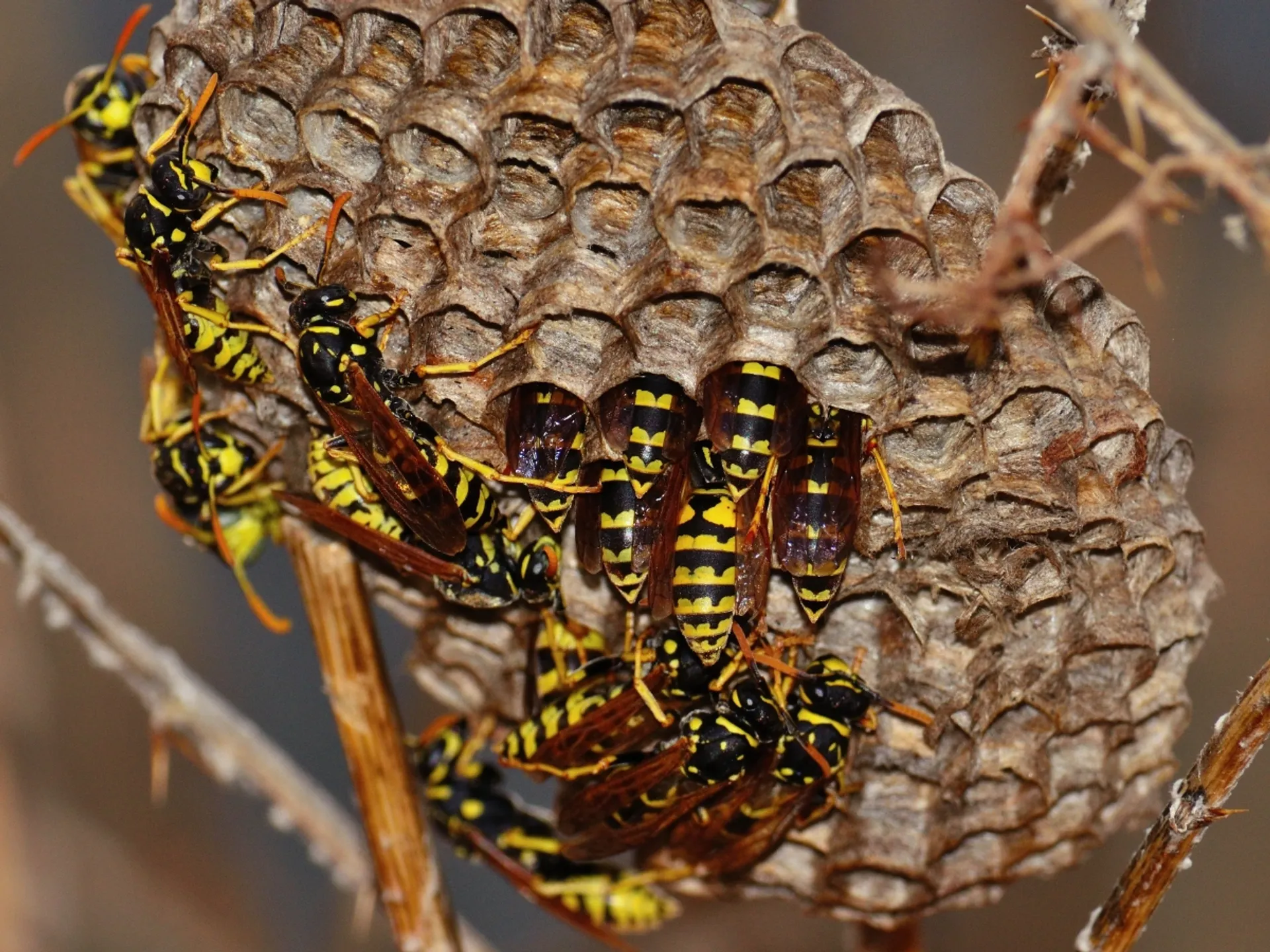
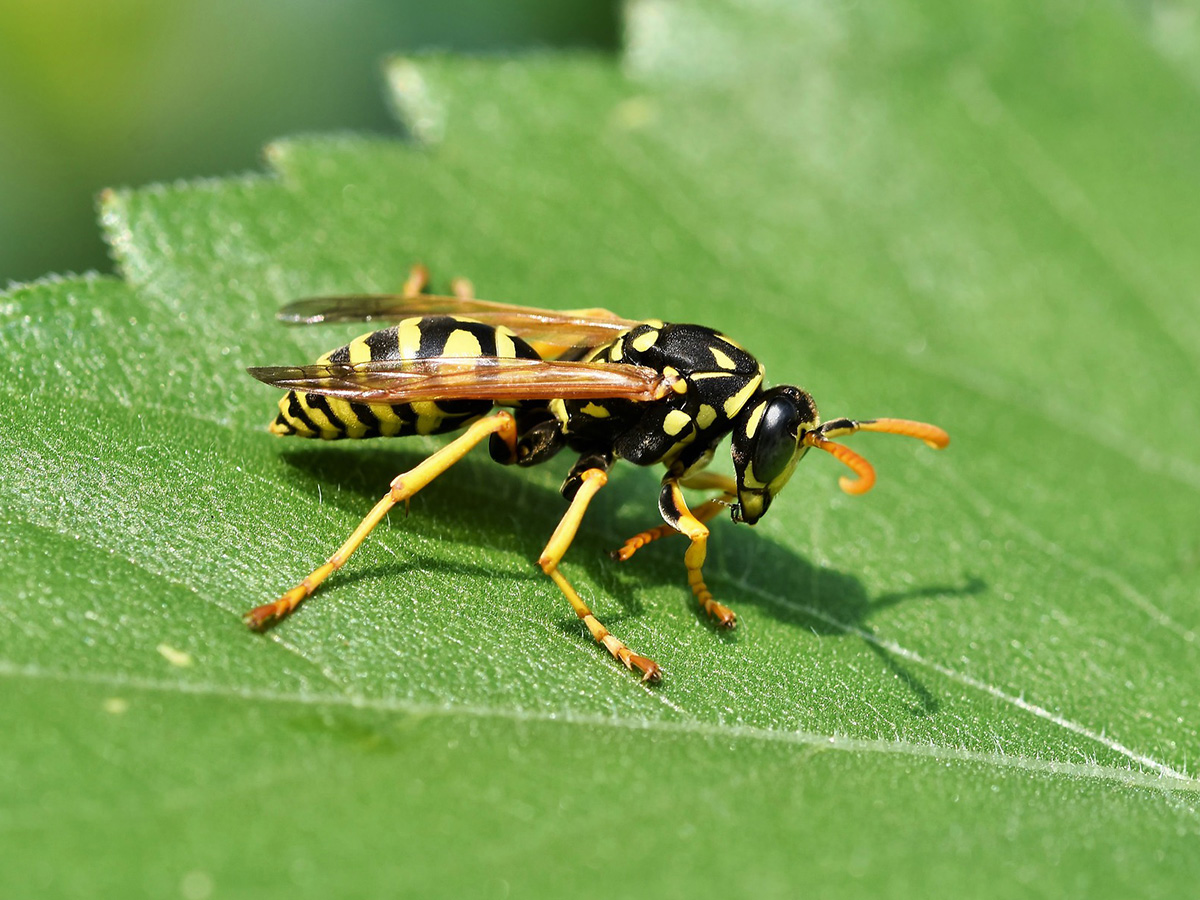
Common Wasp (Vespula vulgaris)

The common wasp is one of the most widespread species in Slovenia. It is attracted by sweet drinks, fruit and food residues and is therefore frequently encountered at picnics, on terraces and in gardens. It builds nests in the ground, in attics, beneath eaves or in other sheltered places.

German Wasp (Vespula germanica)

The German wasp closely resembles the common wasp but often forms larger colonies. It commonly nests in wall cavities, beneath roofs or in the ground. It may become highly defensive when threatened.

Interesting Facts About Wasps

  • Wasps can sting repeatedly because they do not lose their sting after using it.
  • At the height of the season, a single colony may contain several thousand individuals.
  • In spring, an entire colony is founded by a single fertilised queen.
  • Wasps are important natural predators of many other insects and contribute to ecological balance.
  • Towards the end of summer, wasps visit human food and drinks more frequently as they search for additional sources of energy.


Frequently Asked Questions (FAQ)

Why are there so many wasps around my home?

Wasps are attracted by food, sweet drinks, ripe fruit, waste and flowering plants. If they appear repeatedly in the same location, a nest may also be nearby.

How can I find a wasp nest?

Observe the direction in which the wasps fly. If several individuals repeatedly enter the same opening or location, a nest is very likely to be there.

Can I remove a wasp nest myself?

Small and easily accessible nests may be treated with a dedicated product when suitable protective measures are taken. Professional assistance is recommended for larger nests or nests in difficult-to-reach locations.

When are wasps most active?

Wasp activity peaks during summer, particularly from July to September. They are most active on warm, sunny days.

How can I reduce the risk of being stung?

Cover food and drinks outdoors, avoid waving your arms, do not walk barefoot on grass and deal with nests near the home promptly.