How to Remove a Wasp or Hornet Nest Safely

Wasp and hornet nests close to the home can present a serious risk, particularly when disturbed. Learn how to recognise them, when removal is necessary and how to approach treatment as safely as possible.

7/7/2026
Kako varno odstranimo osje gnezdo

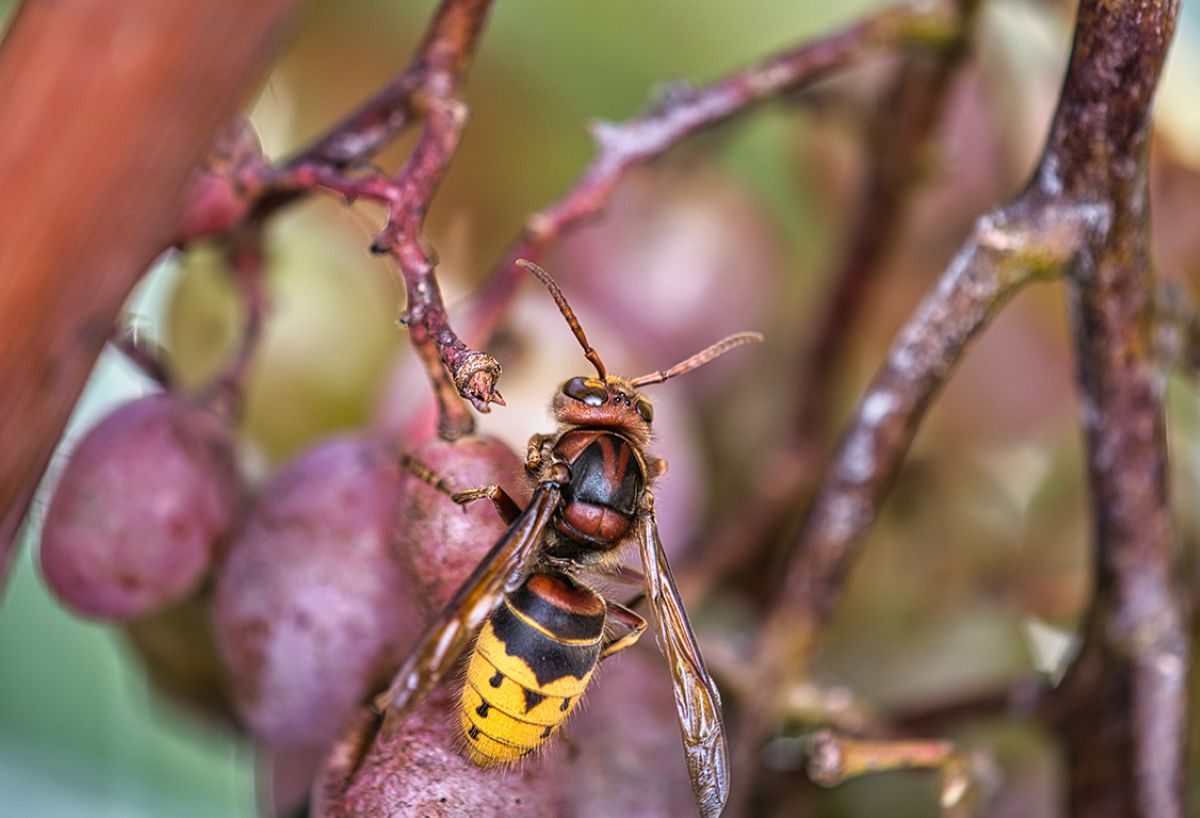
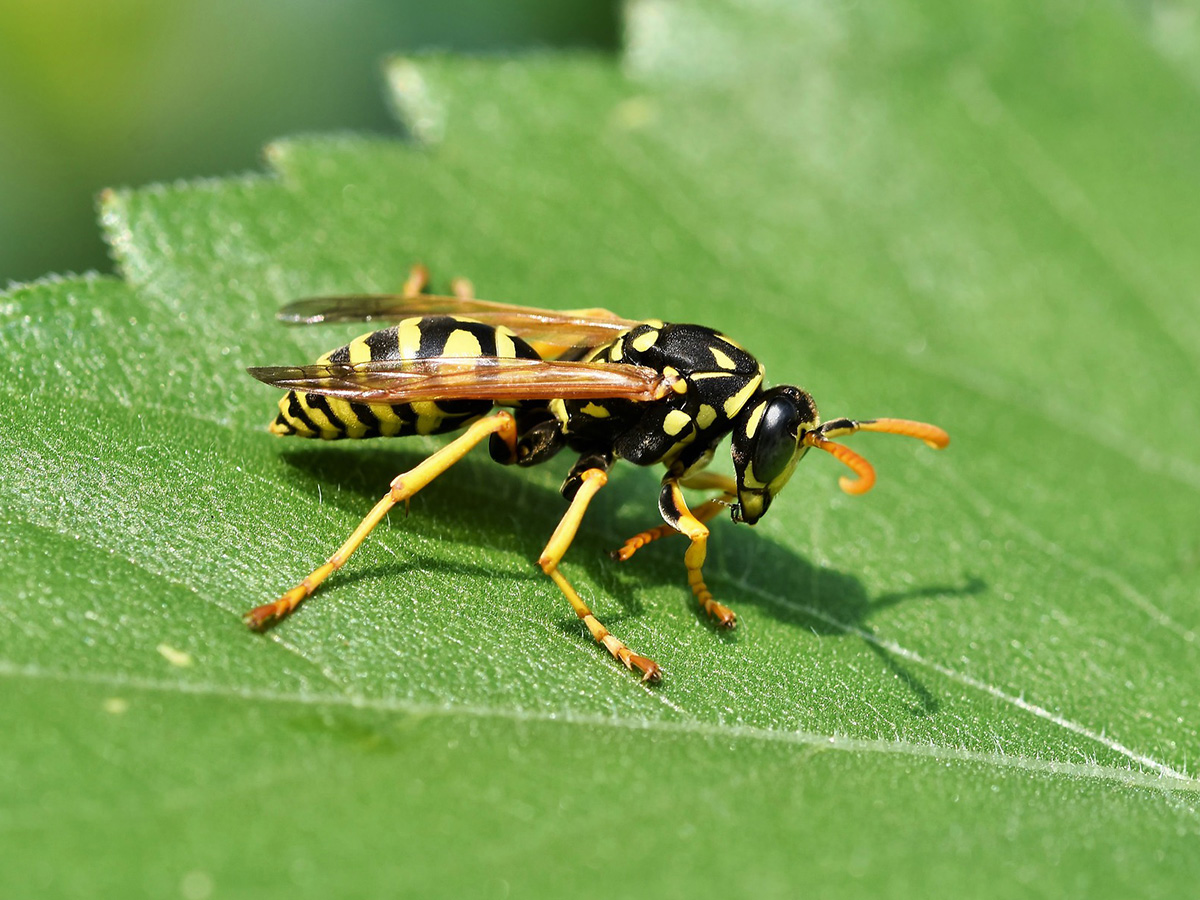
Although hornets are often perceived as more dangerous than wasps, this is not entirely accurate. Both are generally non-aggressive and do not attack people without a reason. The main risk arises when they feel threatened or defend their nest.

  • Hornets are often calmer than common wasps, but both can become highly defensive when their nest is approached or disturbed.
  • Wasp and hornet stings are painful but are not dangerous for most people. Stings inside the mouth or throat and allergic reactions are more serious and require urgent medical attention.
  • Hornet venom is not necessarily more toxic than bee or wasp venom. A hornet may inject a larger volume, but the principal risk remains the individual's allergic sensitivity, the number of stings and the location of the sting.
  • Adult European hornets can reach approximately 3 cm in length, while nests may become very large.
  • Wasps can release an alarm pheromone that alerts nearby colony members to a threat, increasing defensive activity and the possibility of multiple stings.

Understanding wasp and hornet behaviour helps prevent dangerous encounters. Calm movement and keeping a suitable distance are often sufficient when individual insects are present. A nest close to the home, however, should be assessed carefully and treated only when necessary.

Where Are Wasp and Hornet Nests Commonly Found?

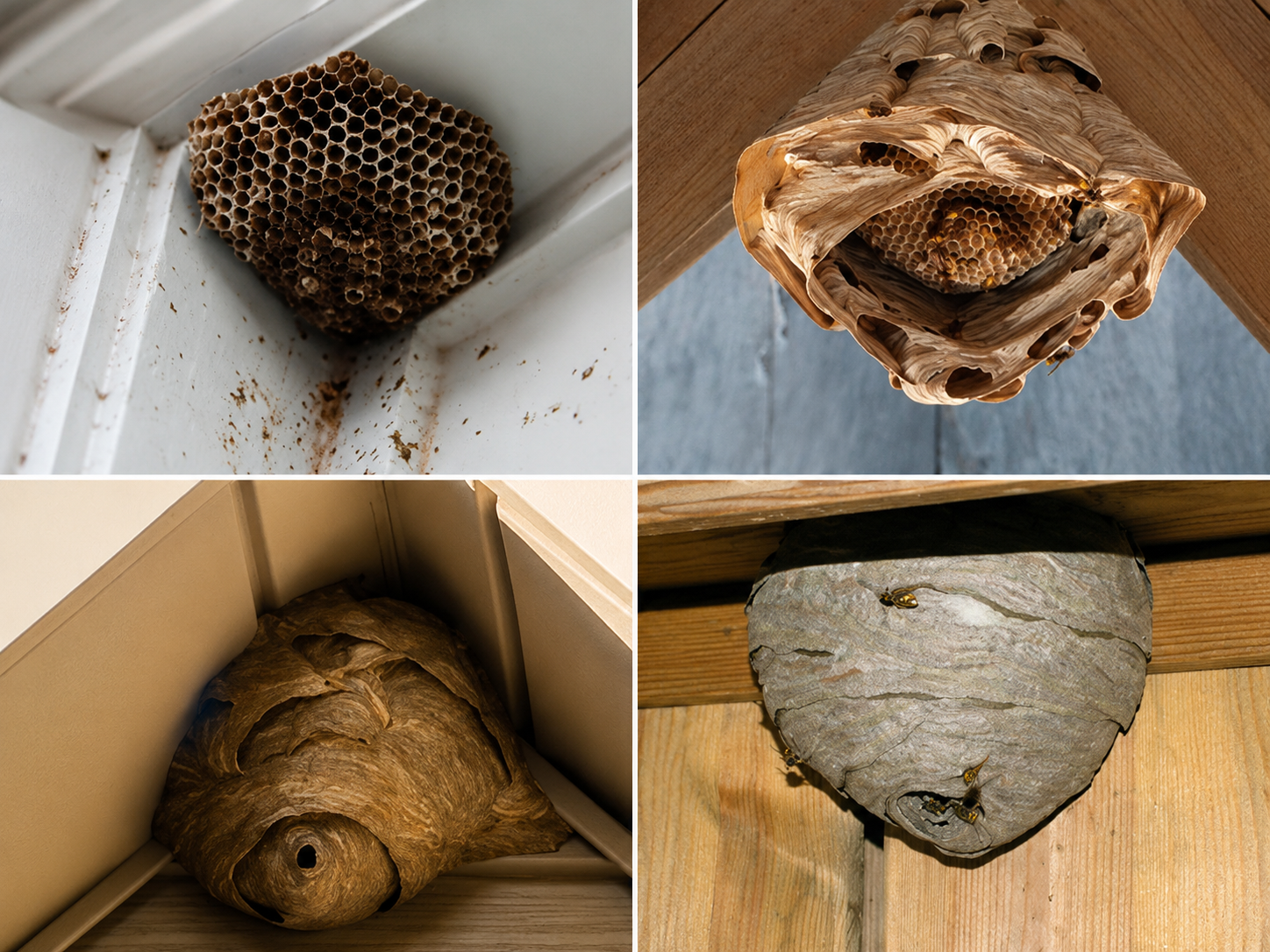
Wasps and hornets usually build nests in quiet, sheltered areas protected from weather and predators. They are often found close to homes, farm buildings and gardens.

Common nesting locations include:

  • hollow trees and tree cavities,
  • attics and roof spaces,
  • houses and abandoned buildings,
  • wooden outbuildings such as sheds, canopies and barns,
  • chimneys and ventilation systems,
  • cavities between walls, façades and roof structures,
  • tunnels and cavities in the ground,
  • other dry, rain-protected locations.

If you notice several wasps or hornets, observe their flight direction from a safe distance. After foraging, they generally return directly to the nest, so their movement may help reveal its location. Do not approach or disturb the nest during observation.


Modern dry-wall construction can provide additional nesting spaces because hollow walls are readily accessible and some internal materials are easier for insects to penetrate.

Safer Treatment of Wasp and Hornet Nests

  1. Protect people and animals. Keep everyone away from the treatment area. Wear appropriate protective clothing that covers the entire body and use suitable face and eye protection.
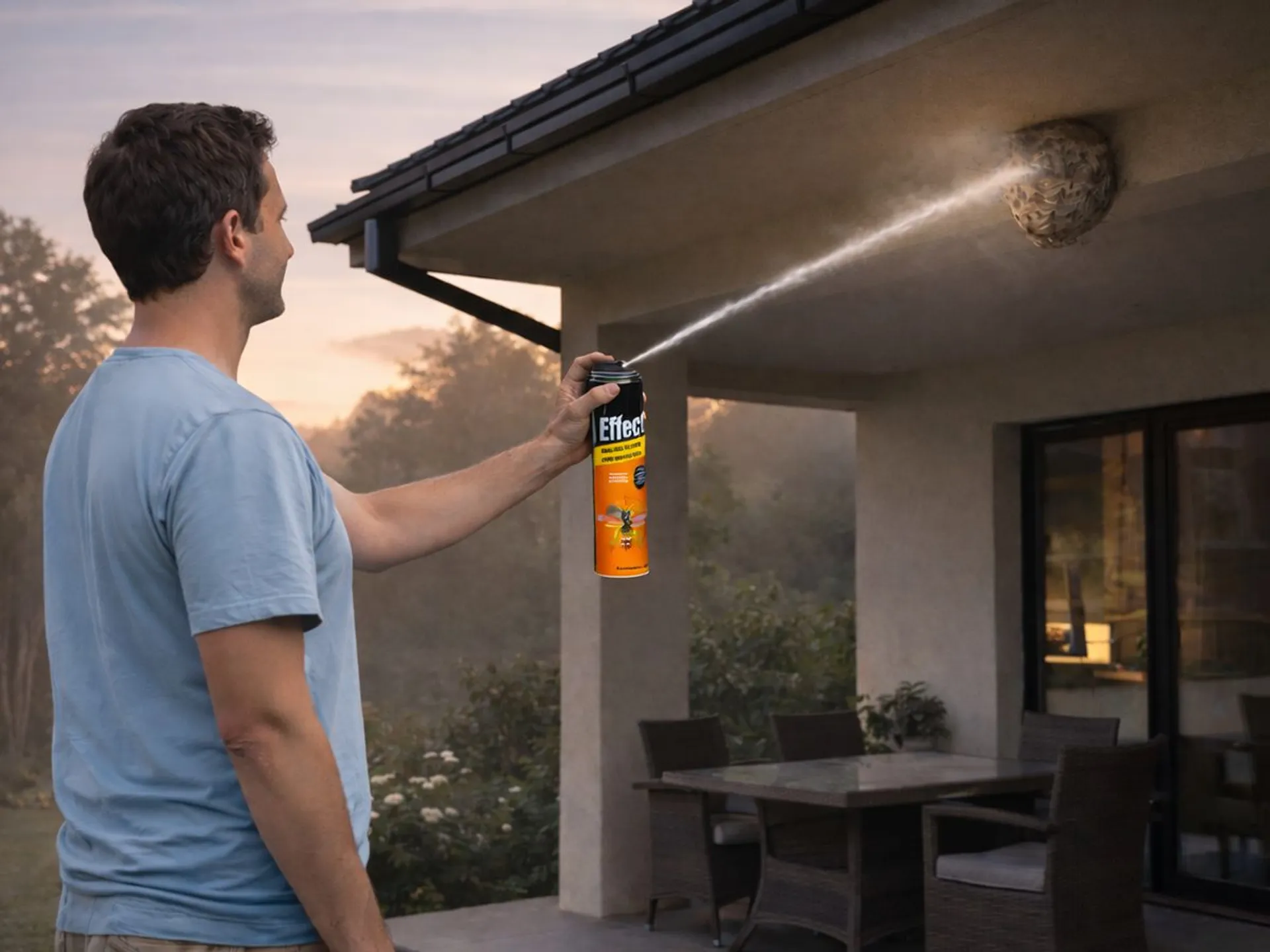
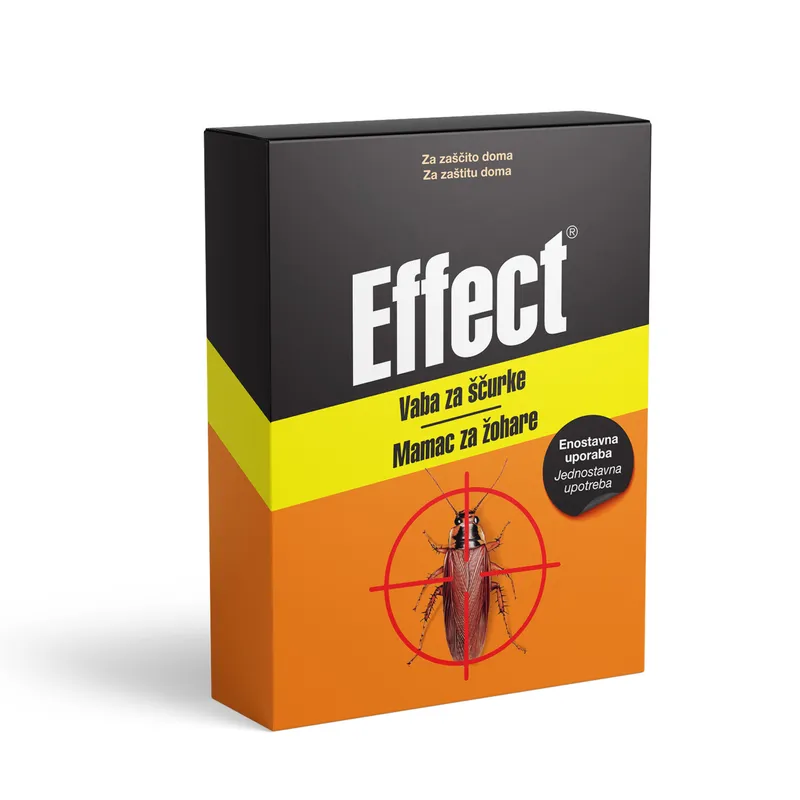
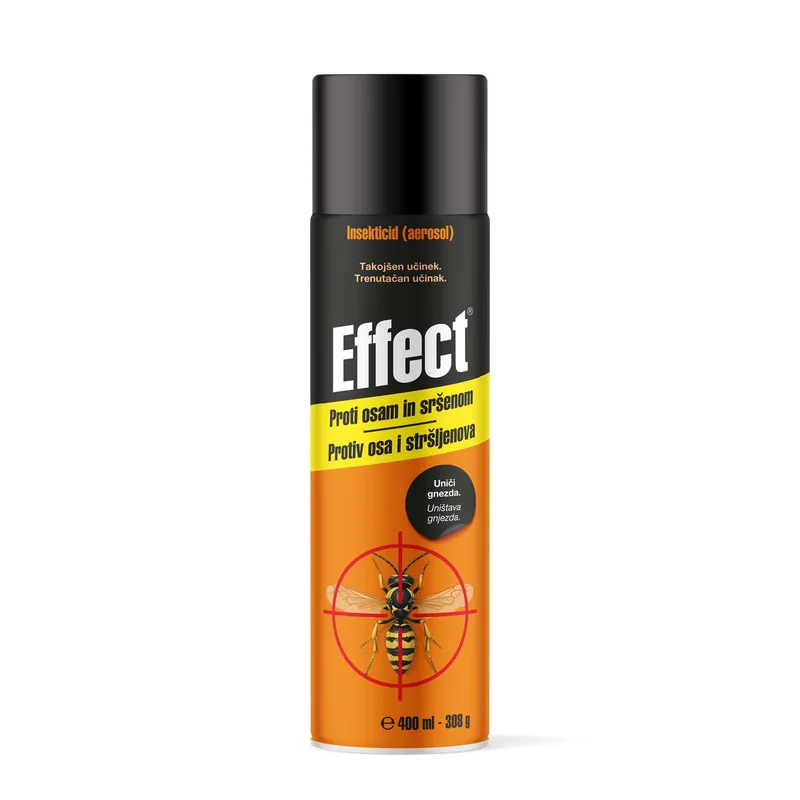
  2. Treat early in the morning or late in the evening, when insect activity is lower and more colony members are inside the nest. Apply Effect Insekticidom proti osam in sršenom from the distance and for the duration stated on the label. Hold the aerosol in the required position and maintain a clear escape route.
  3. Leave the area immediately after treatment and do not approach the nest until the period specified on the label has passed and activity has ceased. Remove the inactive nest only when it can be done safely, then seal it in a suitable bag and dispose of it in accordance with local requirements.

Important!

The product must reach the nest entrance and outer surface sufficiently for effective treatment, but an excessively powerful jet should not tear the nest envelope or provoke uncontrolled insect activity.


Use biocides safely. Always read the label and product information before use.