Pharaoh Ants: How to Recognise and Eliminate a Persistent Infestation

Pharaoh ants are tiny but extremely persistent pests that spread rapidly through heated buildings. Their hidden way of life means they are often noticed only after the colony is already well established, making rapid action essential.

7/8/2026

Pharaoh ants are among the most persistent pests in apartments, hotels, hospitals, care homes, restaurants, commercial buildings and other heated premises. Their small size, rapid reproduction and concealed nesting behaviour mean that they are often discovered only after the colony has spread extensively.

What Are Pharaoh Ants?

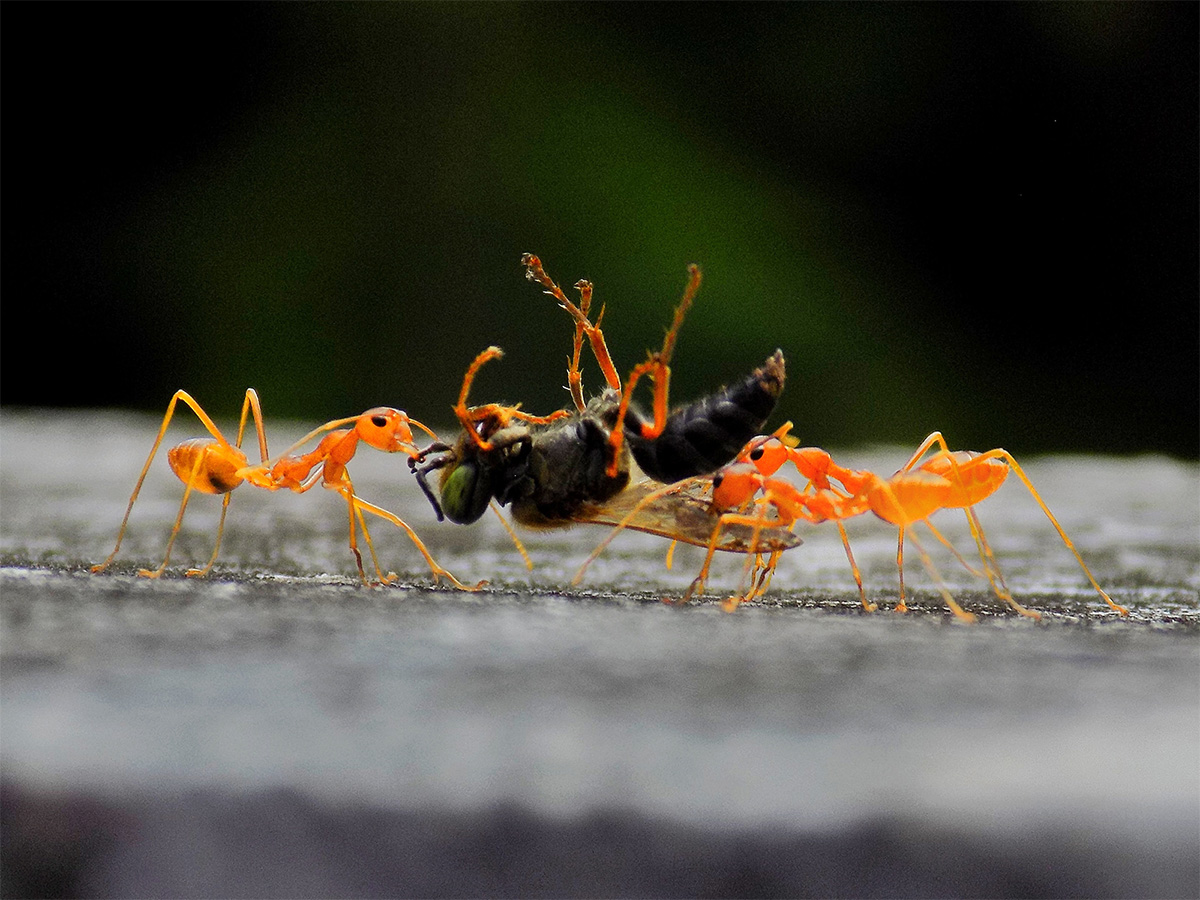
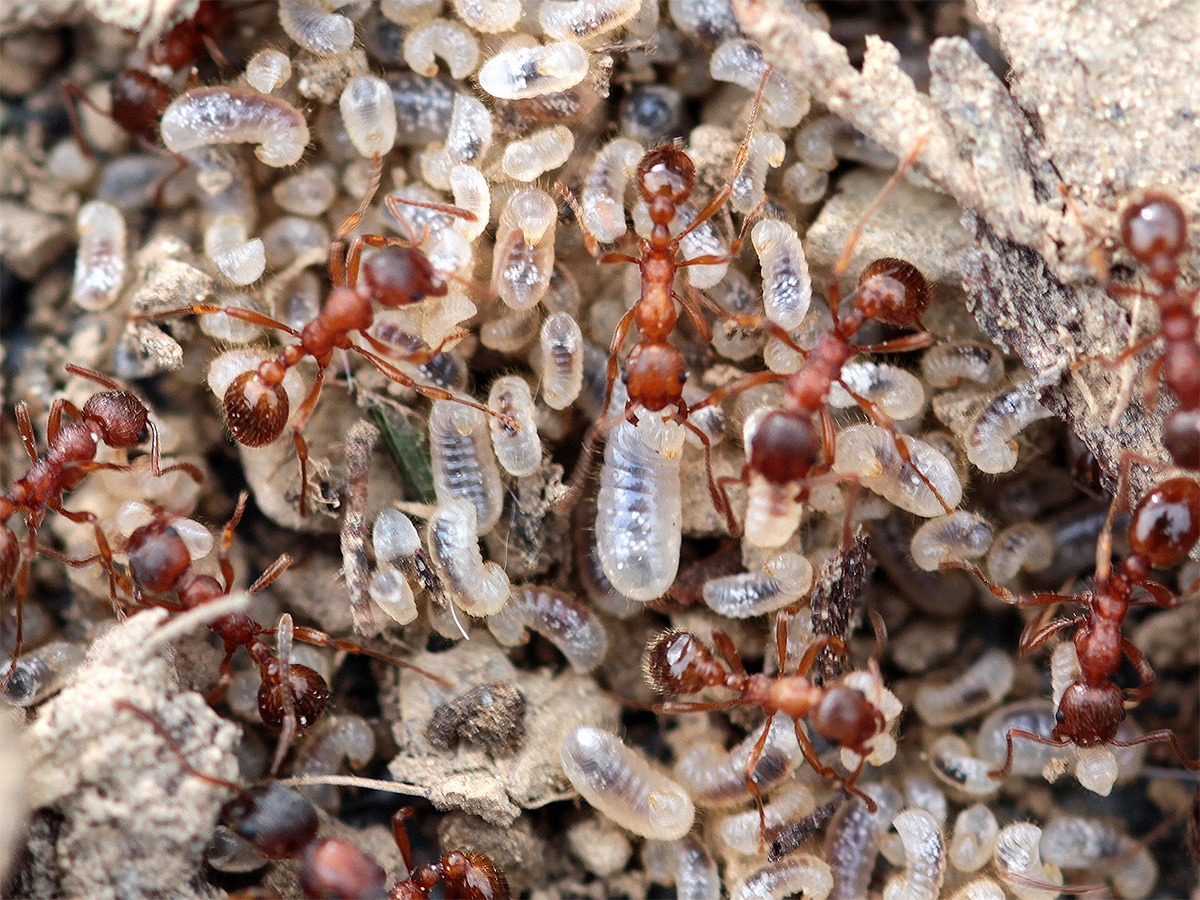
The Pharaoh ant (Monomorium pharaonis) is a tiny amber-yellow ant measuring approximately 2-2.5 mm. It can be recognised by its light-coloured body, long antennae and well-developed dark eyes.

It is a social insect that lives in large colonies. One colony may contain several hundred fertile queens and up to 300,000 individuals. Because of their large numbers and rapid reproduction, even a small initial population can become a serious problem within a short period.

How Did Pharaoh Ants Spread Around the World?

Despite their name, Pharaoh ants are not uniquely associated with Egypt. International trade, transport, packaging materials and modern building construction have helped them spread around the world.

Today they occur in homes, hotels, hospitals, shops, warehouses and other heated premises where food, water and concealed nesting sites are available.


Where Do Pharaoh Ants Hide?

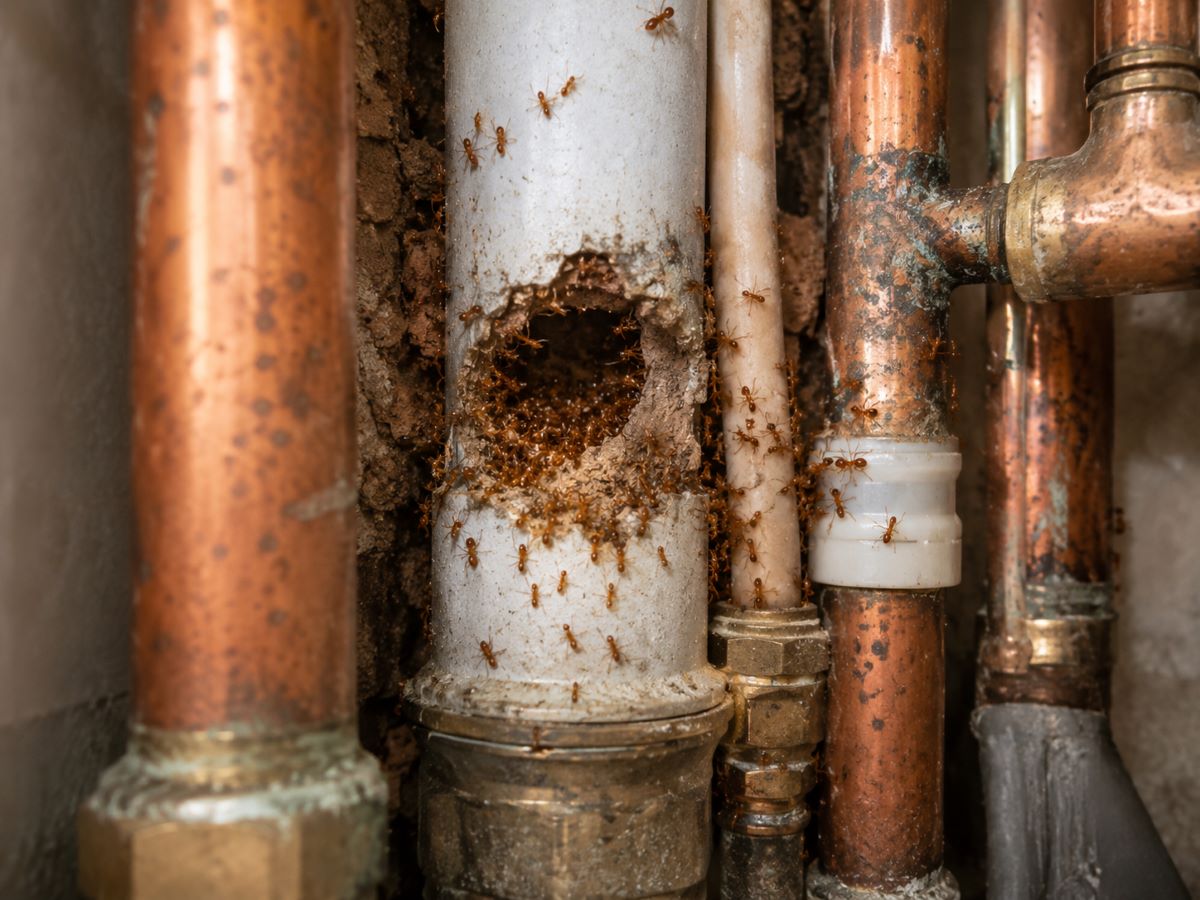
Unlike many other ant species, Pharaoh ants do not build traditional nests in soil. They establish colonies in concealed parts of buildings and may remain unnoticed for a long time.

They are commonly found:

  • in insulation materials,
  • behind wall coverings,
  • in hollow walls,
  • around pipework,
  • close to heating systems,
  • behind kitchen units,
  • in bathrooms and pantries.

They prefer warm indoor conditions and are often associated with areas close to heat sources.

What Do They Eat?

Pharaoh ants are omnivorous but show a strong preference for protein-rich and fatty foods.

They are attracted to:

  • fresh and dried meat,
  • ham and cheese,
  • fats and oils,
  • pet food,
  • sweets,
  • honey and jam.

In hospitals, waste-storage areas and other specialised environments, they may also feed on organic residues, creating an additional hygiene concern.

Pharaoh Ant Reproduction

One of the main reasons Pharaoh ants spread so rapidly is their exceptional reproductive capacity.

A nest may contain hundreds of queens, each capable of laying up to approximately 350 eggs during her lifetime. Development from egg to adult takes around five weeks under favourable conditions.

Because colonies contain multiple queens, disturbance can cause them to split into several smaller colonies, a process known as budding. This can make the infestation more difficult to control.

Why Are Pharaoh Ants a Problem?

In addition to contaminating food and causing a nuisance in living areas, Pharaoh ants may mechanically carry microorganisms between contaminated and clean surfaces.

Their presence in kitchens, pantries, hotels, hospitals and other facilities creates both a hygiene and an aesthetic problem.


How to Prevent Pharaoh Ants

Important preventive measures include:

  • removing food residues regularly,
  • storing food in closed containers,
  • eliminating sources of moisture,
  • sealing cracks and openings,
  • cleaning kitchen and pantry surfaces consistently.

Preventive measures can significantly reduce the likelihood of colonies becoming established.

Effective Pharaoh Ant Control

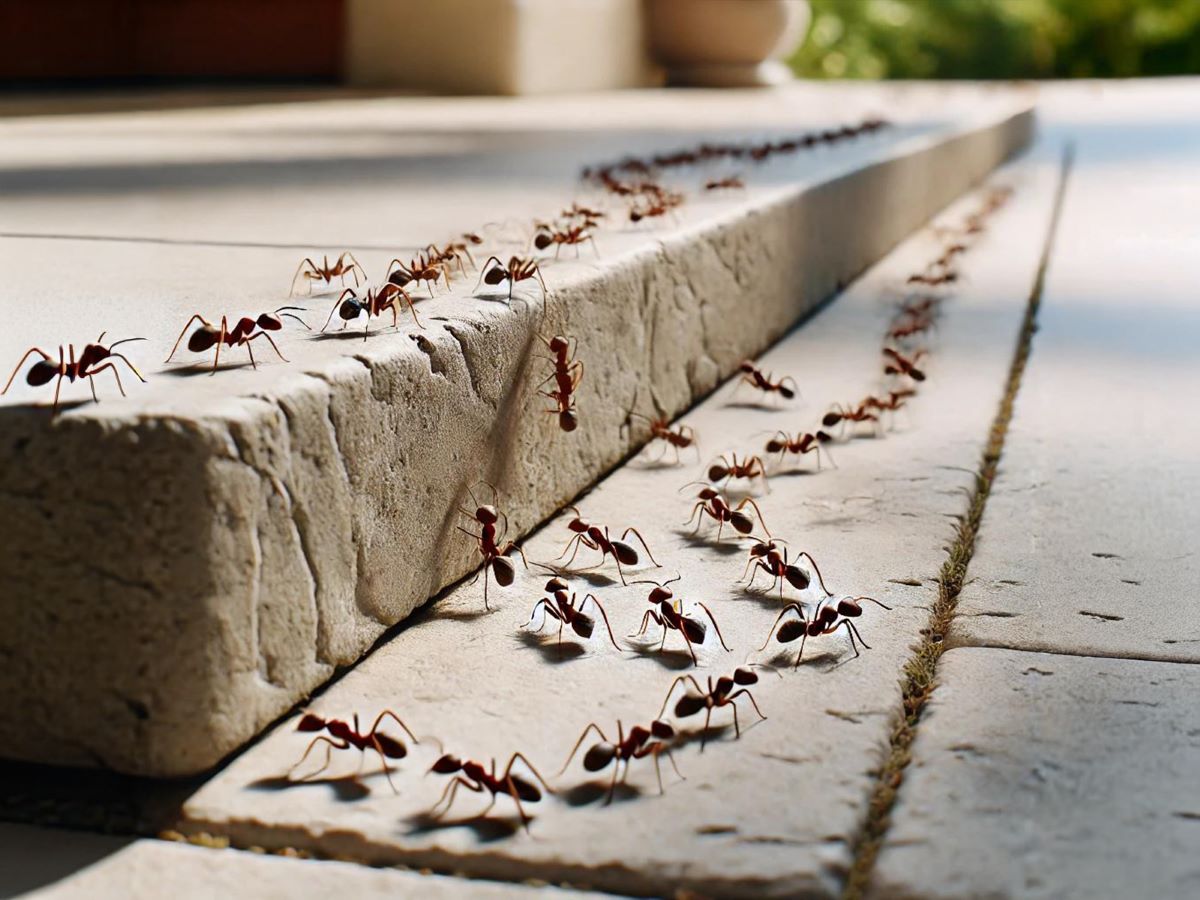
Controlling Pharaoh ants is more difficult than controlling many other ant species. Colonies are often hidden deep inside walls, cracks and other inaccessible locations, so killing individual workers will not eliminate the problem.

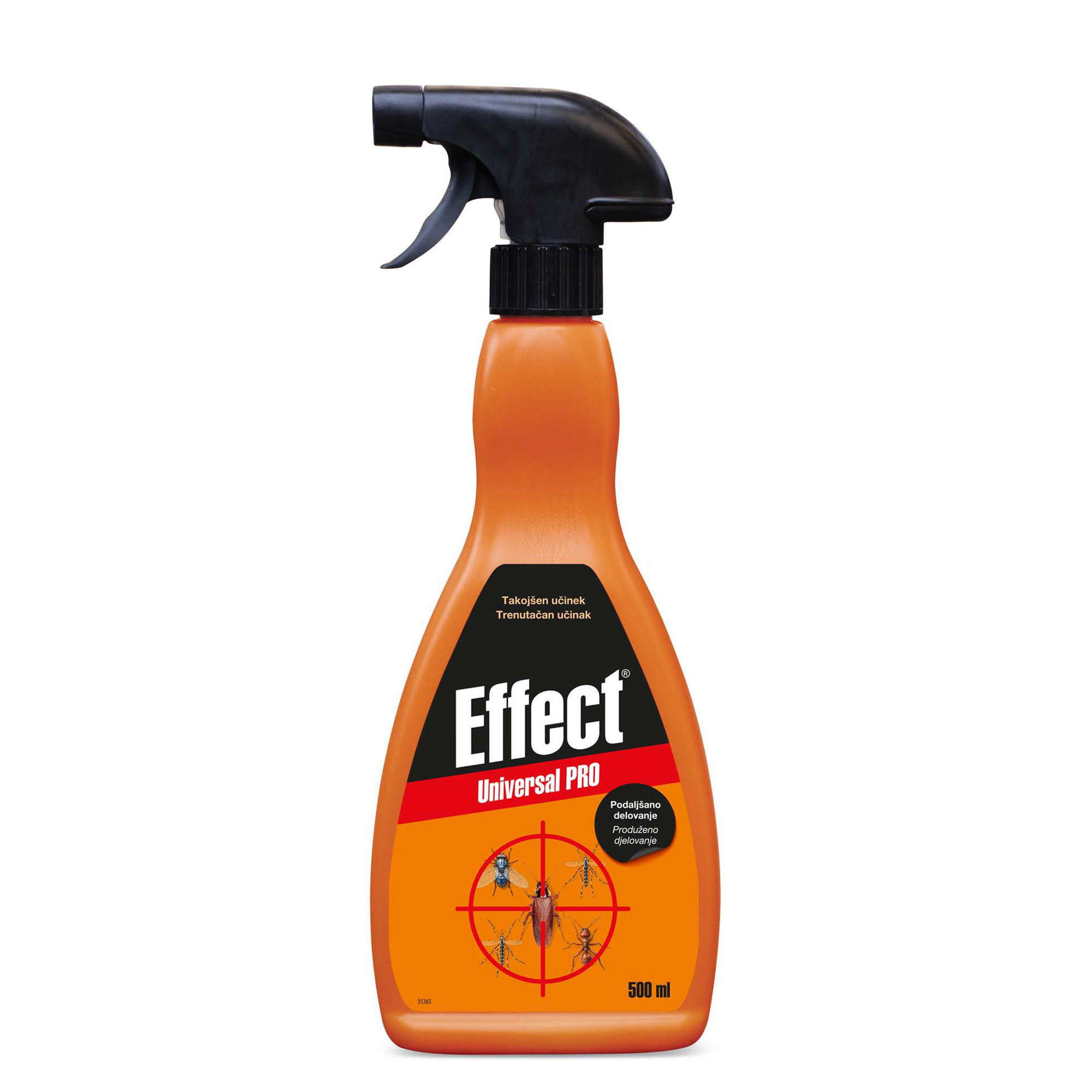
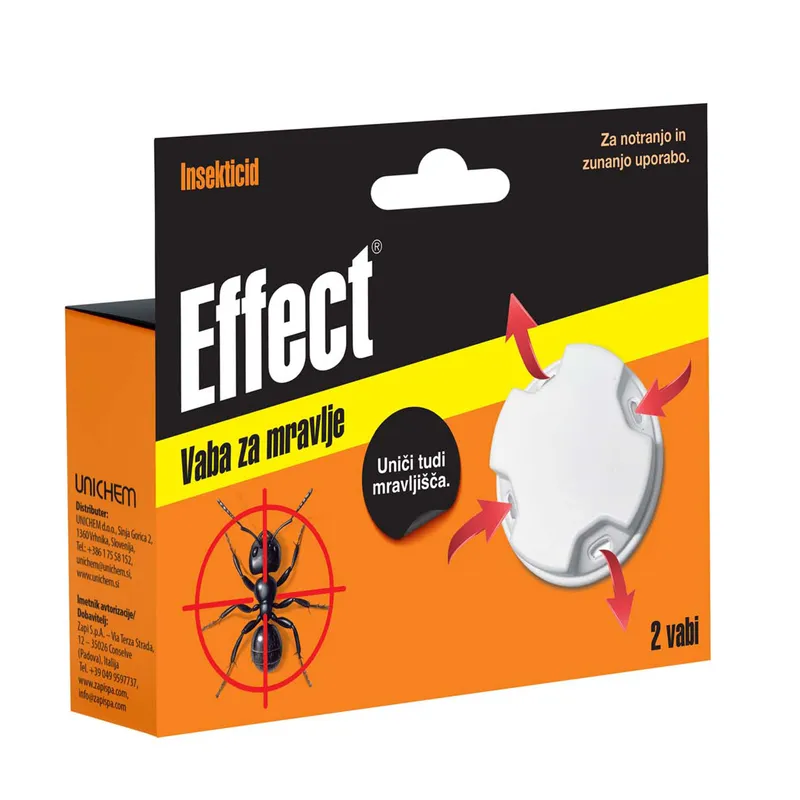
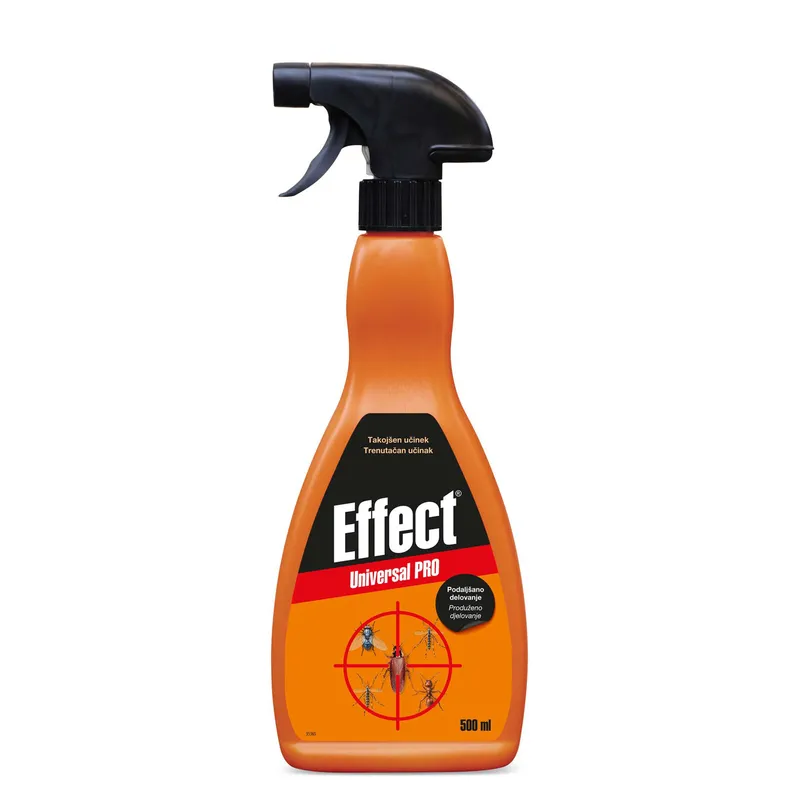
For rapid action, use Effect Universal PRO, a ready-to-use insecticide suitable for treating ant trails and the locations where Pharaoh ants are most frequently observed. Its rapid contact action reduces active individuals and helps limit their movement through the premises.

  • Fast contact action.
  • Extended action for up to 3 weeks.
  • Ready to use.
  • Suitable for indoor and outdoor surfaces.
  • Pleasant fragrance
Effect Universal PRO

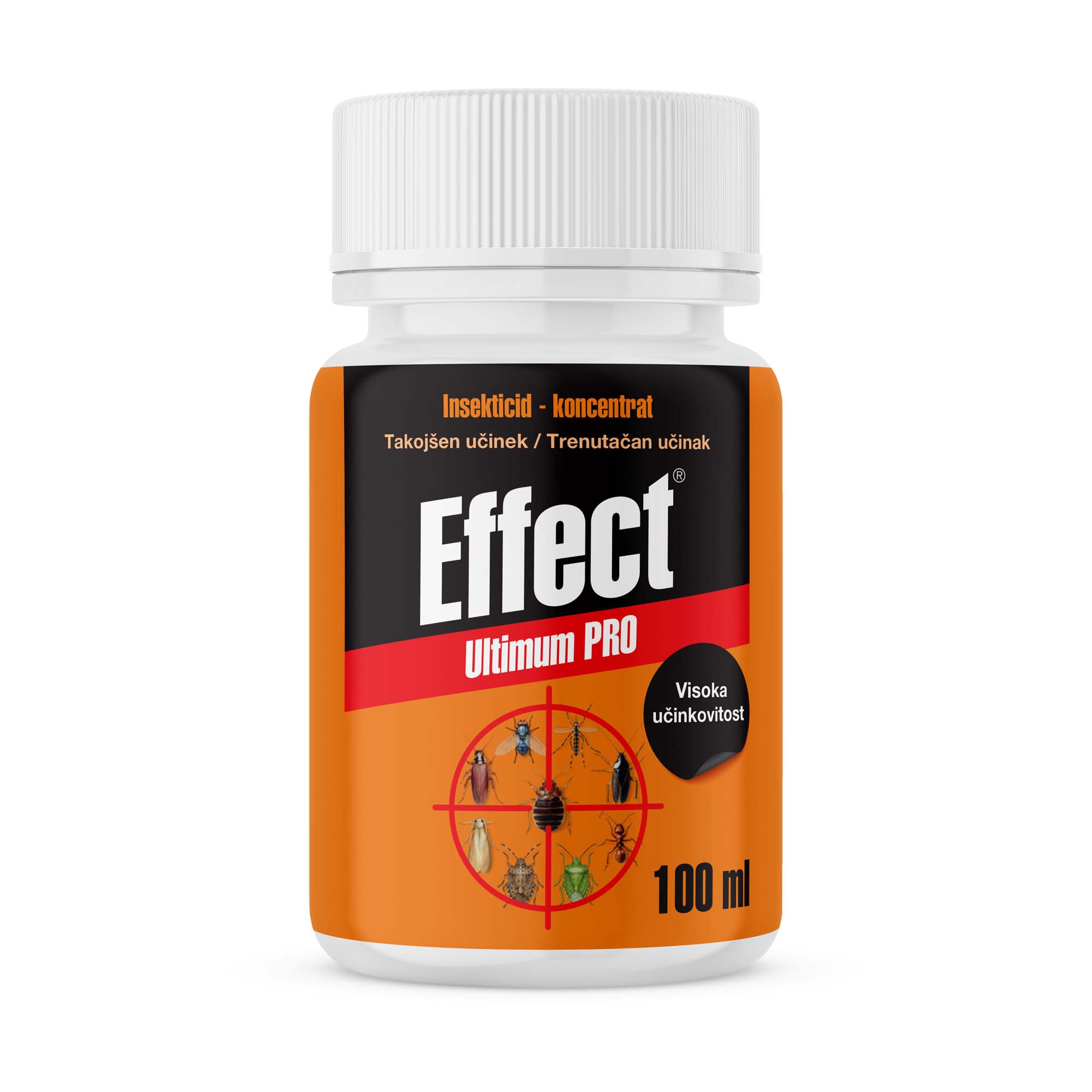
For larger surfaces or a more comprehensive treatment, use Effect Ultimum PRO. Dilute the concentrate with water according to the label and apply it to cracks, crevices, wall edges, areas around pipework, behind kitchen units and other places where Pharaoh ants hide or travel. The formulation provides rapid contact action and residual protection.

  • Extremely fast initial action.
  • Powerful knock-down effect.
  • Effective reduction of insect populations.
  • Broad spectrum of action.
  • Suitable for more demanding infestations.
  • Extended residual protection
Effect Ultimum PRO

For major infestations or recurring Pharaoh ant activity, professional pest-control assistance is recommended. Because colonies contain multiple queens and may be widely distributed, systematic control of the entire infestation is often required.

Rapid Action Is Essential

Pharaoh ants reproduce very quickly, making early detection and prompt action crucial. Timely treatment, consistent hygiene and effective insecticides can substantially limit their spread and protect homes, commercial premises and accommodation facilities from one of the most persistent ant species.


Use biocides safely. Always read the label and product information before use.