Ants Around the House and Indoors: Causes, Damage and Solutions

Ants in the home may initially seem like a minor inconvenience, but they can multiply quickly and form large colonies. Timely action and effective ant control can prevent them from spreading and protect your home. It is also important to remove the causes of their presence, such as accessible food and hidden entry points.

7/8/2026

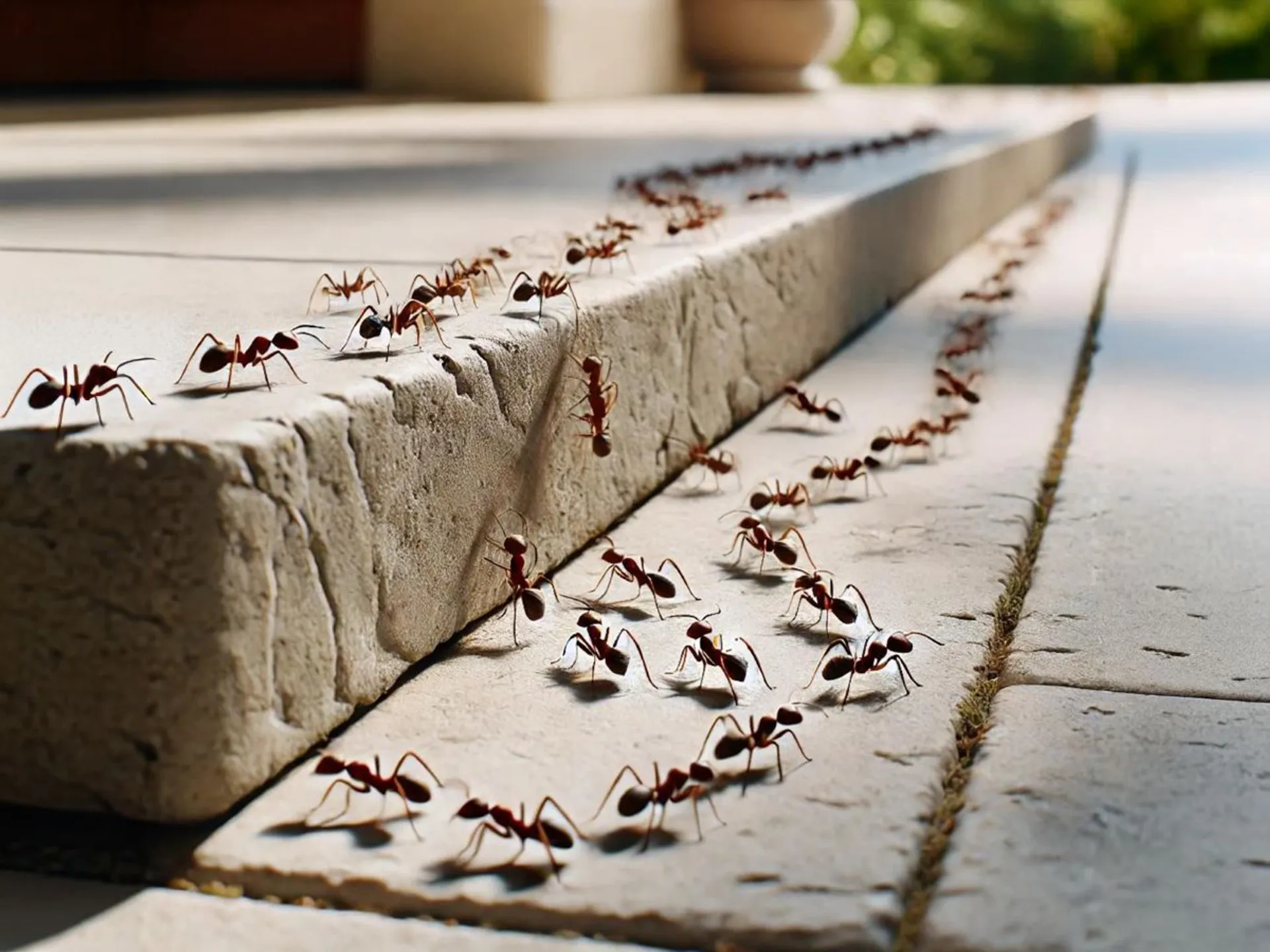
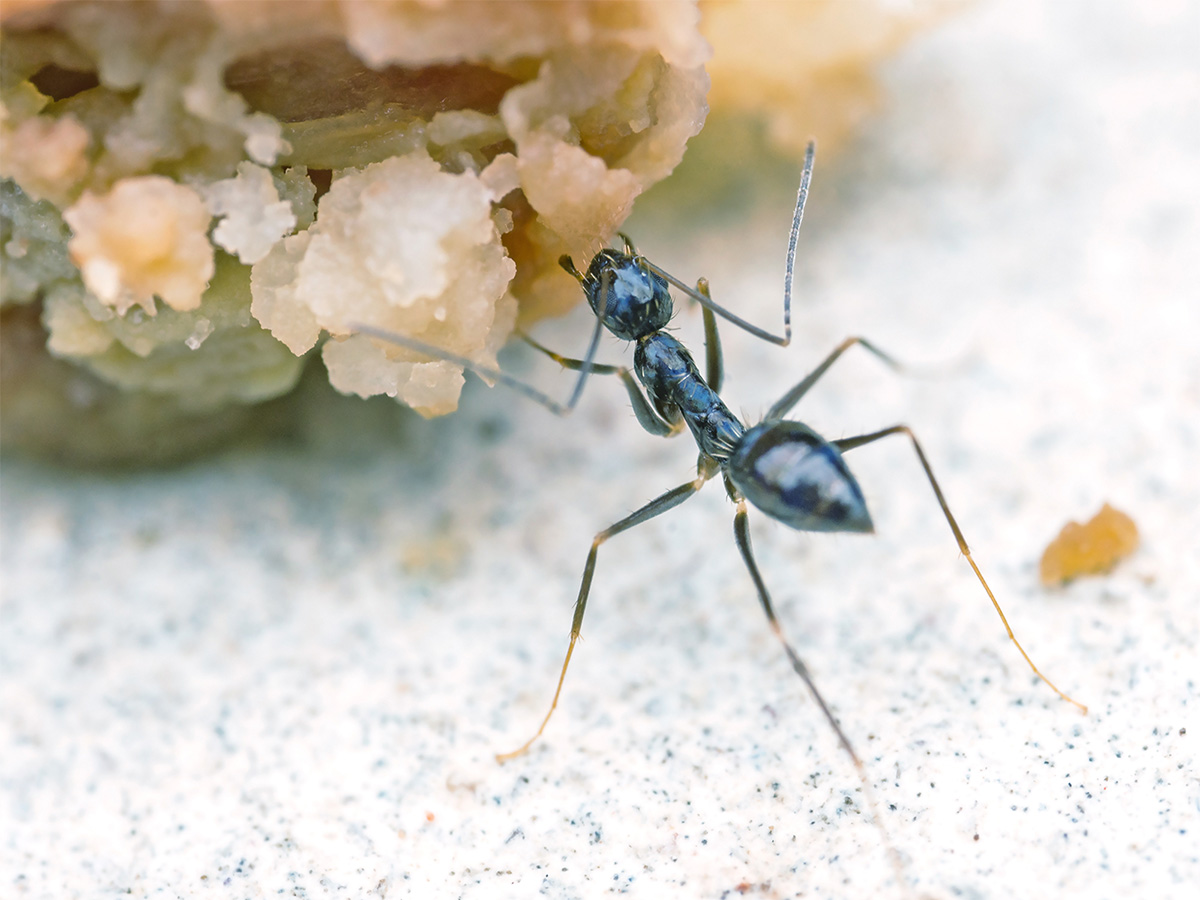
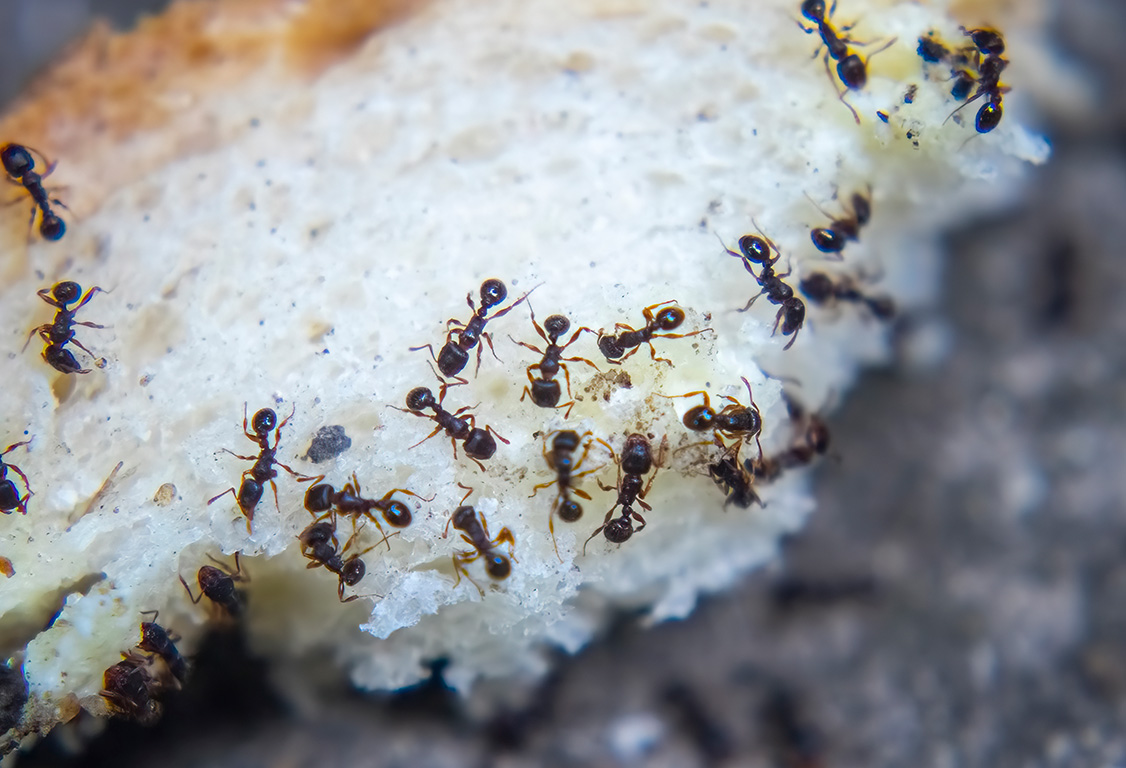
Ants are among the most common pests found in houses, apartments and the areas surrounding homes. At first, you may notice only individual workers searching for food, but their presence can soon become a serious nuisance. Pharaoh ants are particularly persistent because they multiply rapidly and establish large colonies in hidden parts of buildings. To prevent their spread and protect your home, it is important to act promptly and use effective ant-control solutions.

Why Do Ants Enter Homes?

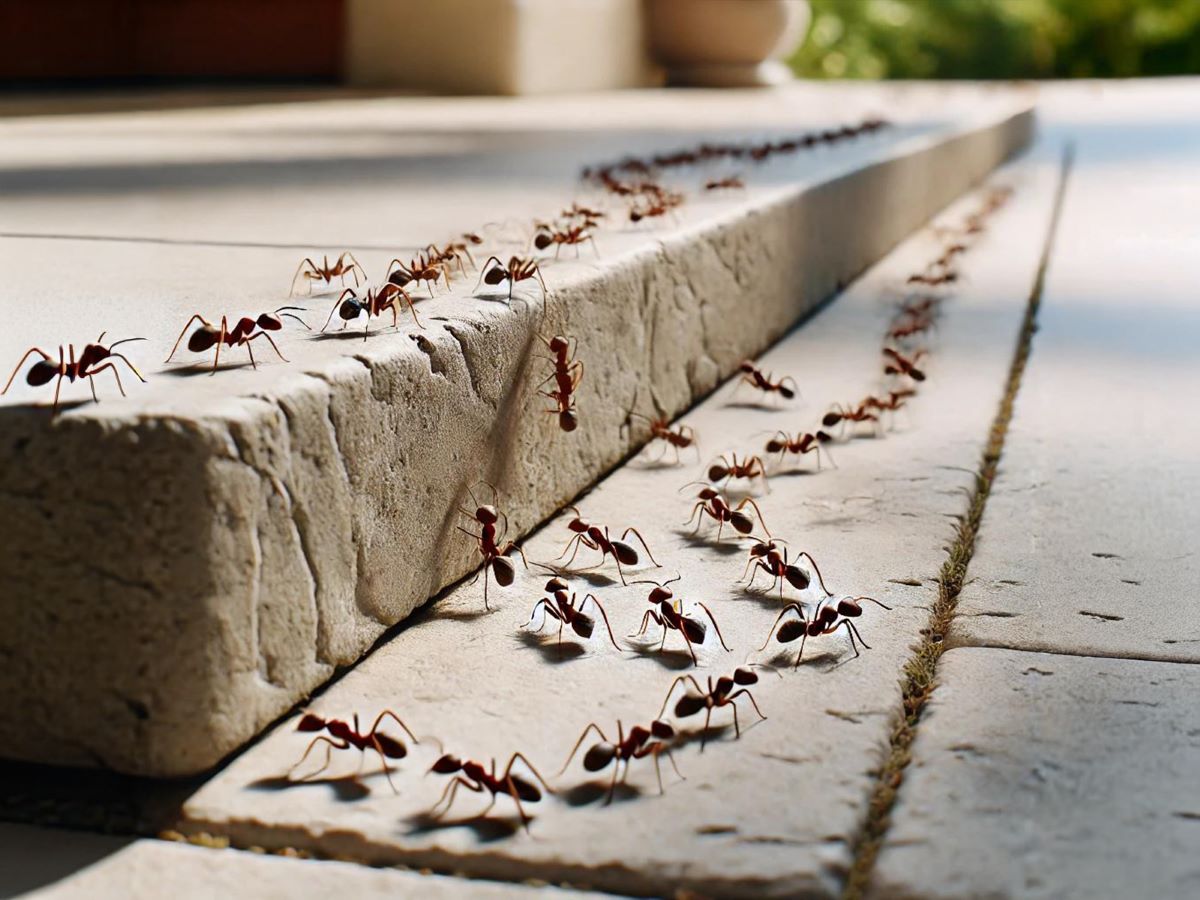
Ants commonly live in gardens, orchards, lawns and areas around buildings, but they often enter houses and apartments as well. They are most frequently seen during the warmer months, when they actively search for food, water and suitable places for their colonies to expand. They can enter through even the smallest cracks, gaps around windows and doors, or openings around pipes and other installations. They are particularly attracted to areas where food, moisture and favourable nesting conditions are available.

Pharaoh ants (Monomorium pharaonis) are especially persistent and are among the most common indoor ant pests. These tiny amber-yellow ants grow to approximately 2.5 mm and live in colonies that may contain up to 300,000 individuals. Instead of traditional nests in soil, they use cavities in walls, insulation materials and service ducts, often close to heat sources.

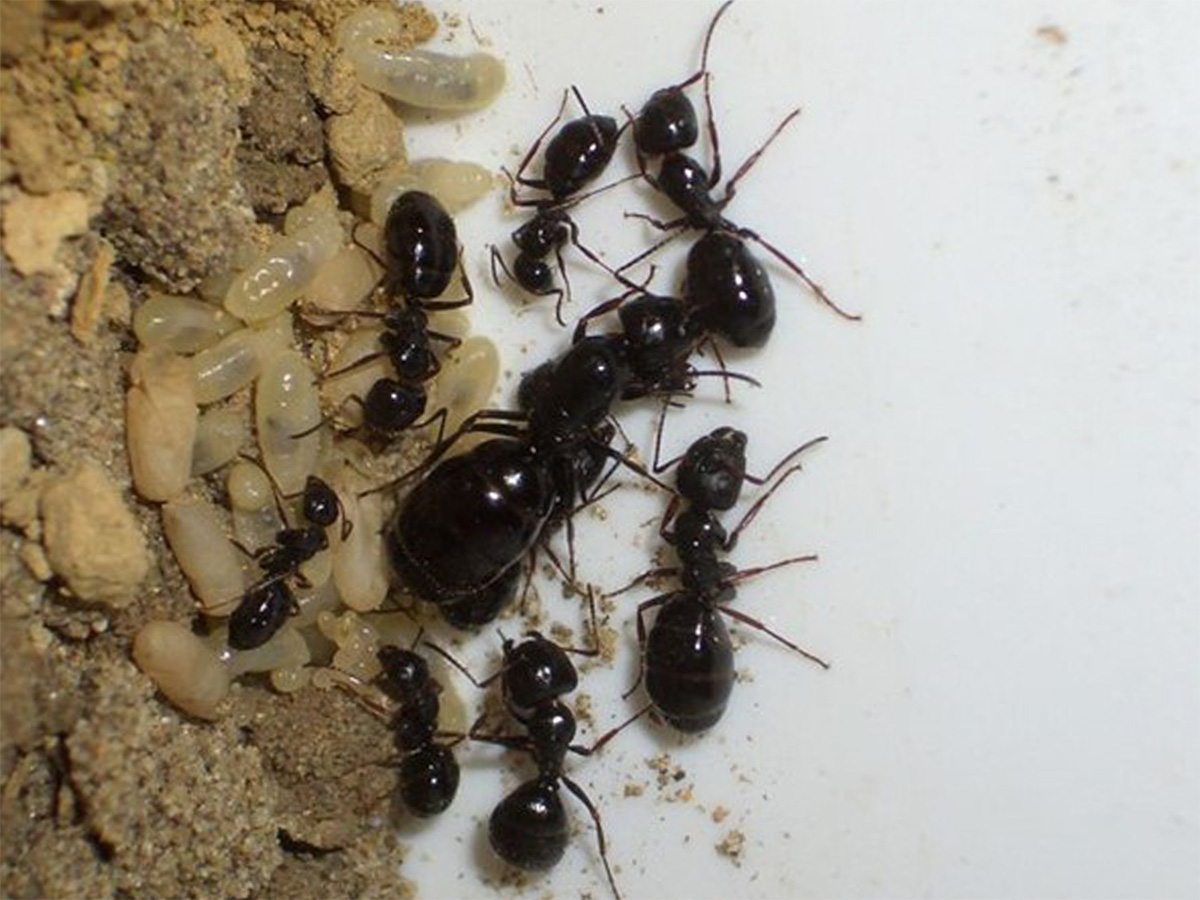
Ant reproduction takes place within the colony, where each individual has a specific role. Fertile females lay eggs that develop into larvae, pupae and then adult ants. A single Pharaoh ant queen can lay up to 350 eggs, while development takes approximately five weeks, allowing the colony to spread rapidly.

Pharaoh ants (Monomorium pharaonis) are particularly persistent and are among the most common indoor pests. These tiny amber-yellow ants grow up to 2.5 mm in length and live in colonies that can contain as many as 300,000 individuals. Instead of building traditional anthills, they nest in wall voids, insulation materials, and utility shafts, often close to heat sources.

Ant reproduction takes place within the colony, where each individual has a specific role. Fertile queens lay eggs that develop into larvae, pupae, and finally adult ants. A single Pharaoh ant queen can lay up to 350 eggs, and the complete development cycle takes about five weeks, allowing colonies to expand rapidly.


What Damage Can Ants Cause?


Although ants are beneficial in nature because they help decompose organic matter and regulate populations of other insects, they are undesirable in living areas. Ants in kitchens, pantries and other rooms can contaminate food and create hygiene problems.

Pharaoh ants are an even greater concern because they readily feed on protein-rich foods such as meat, cheese and fats. In certain environments, they may also mechanically carry various microorganisms. Their large colonies and persistence can cause problems in homes, hotels, commercial buildings and other enclosed spaces.


Ant Control Starts with Prevention

Regular cleaning, removing food residues and preventing access to food sources significantly reduce the likelihood of ants entering the home.

Once ants have already entered, however, a different approach is required. Household remedies such as vinegar, lemon juice or bicarbonate of soda may temporarily repel ants, but they generally do not eliminate the entire colony. For effective, long-lasting control, specialised insecticides and ant baits are recommended.


Step 1: Quickly Reduce the Active Population

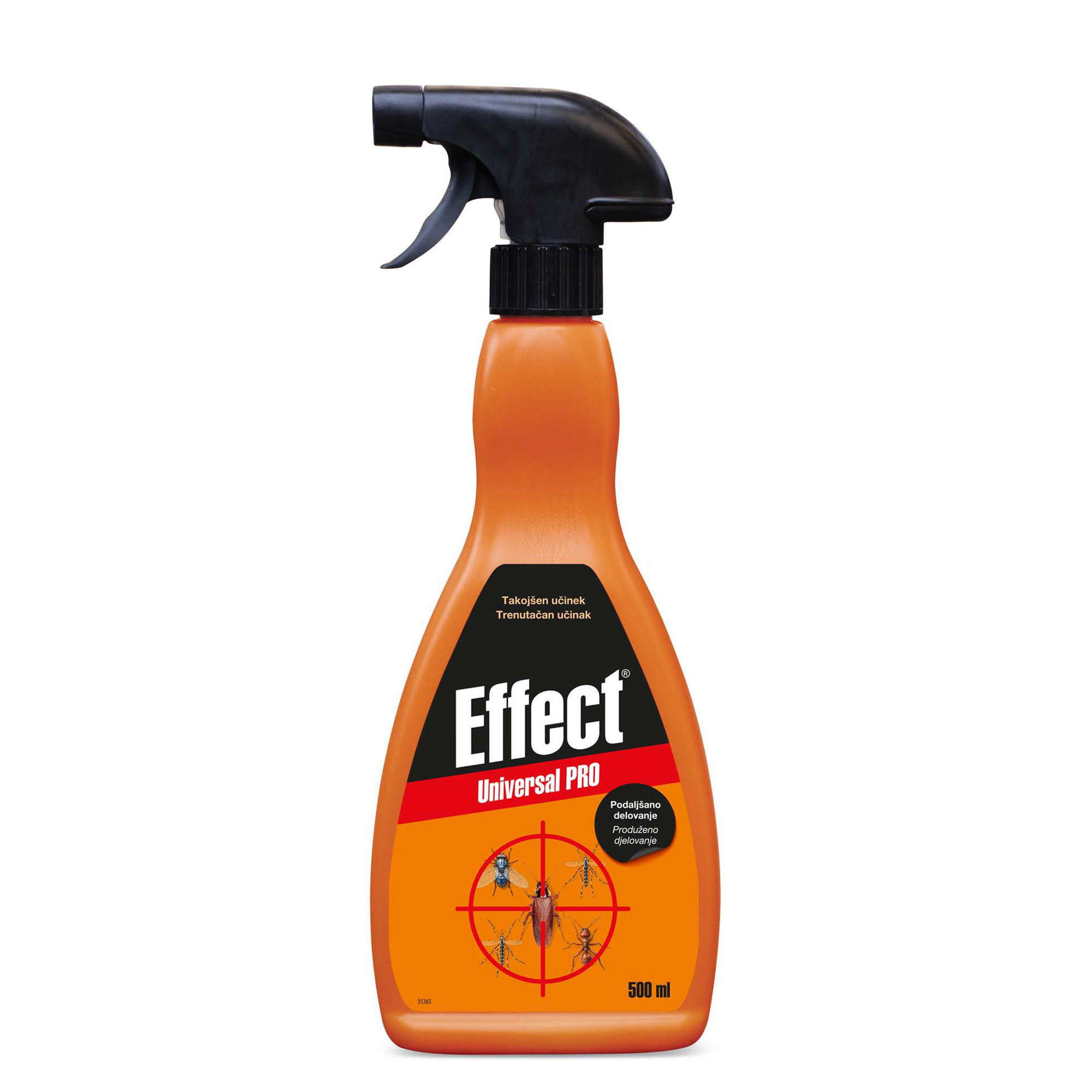
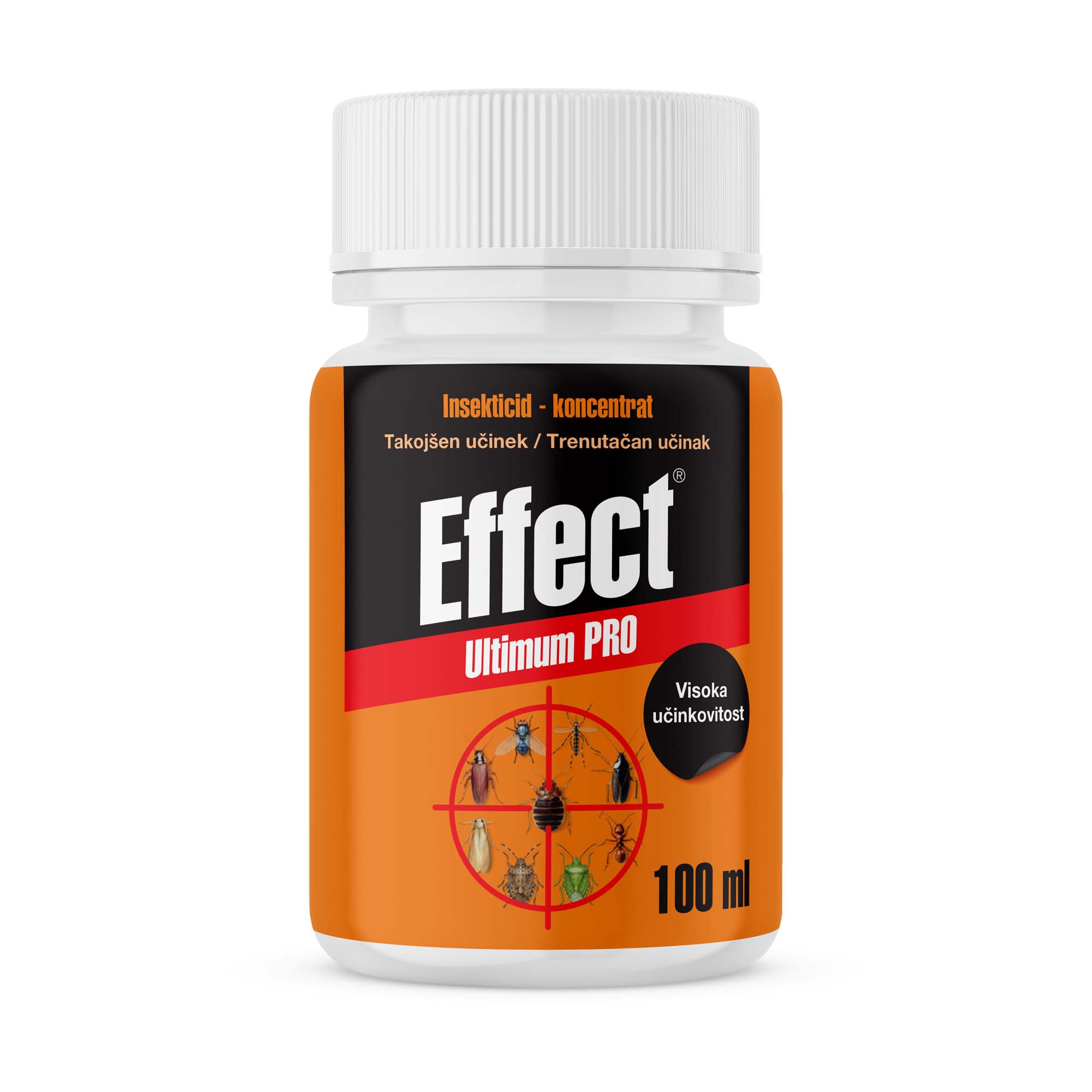
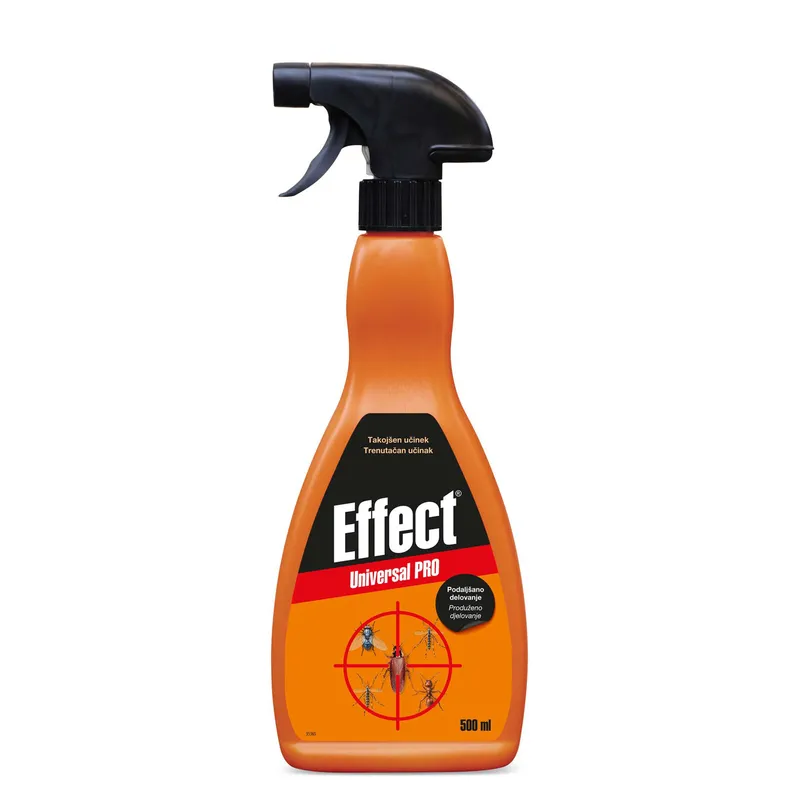
For a rapid reduction in active ants, use Effect Universal PRO or Effect Ultimum PRO.

  • Effect Universal PRO is ready to use and is an excellent choice when fast action is required without preparing a working solution.
  • Effect Ultimum PRO is a concentrated insecticide for users who want professional-level performance and are comfortable preparing a working solution.

Apply the selected product to ant trails, wall edges, cracks, crevices, service-entry points and other areas where ant activity is observed.

Effect Universal PRO
Effect Ultimum PRO

Step 2: Eliminate the Colony and Provide Long-Term Protection

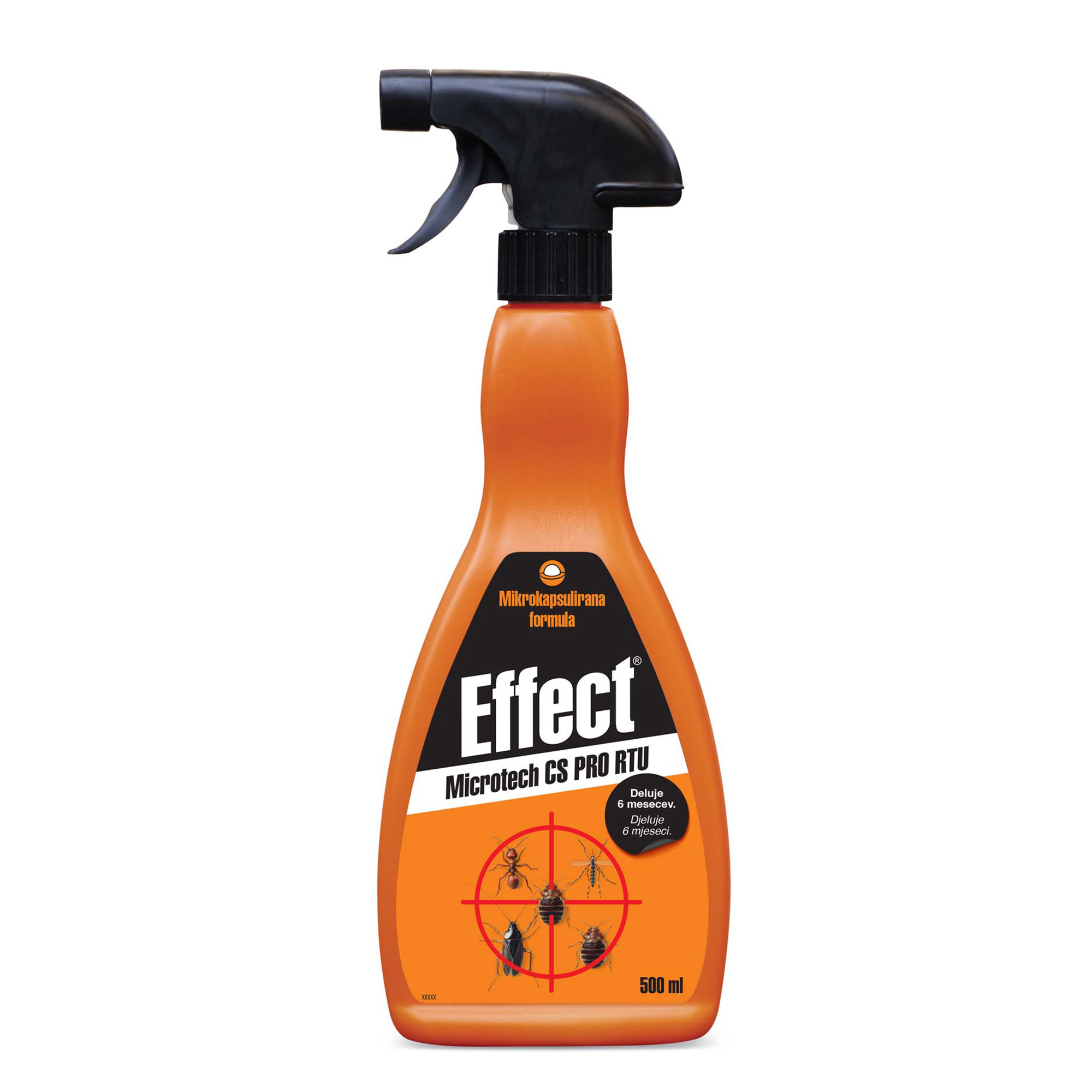
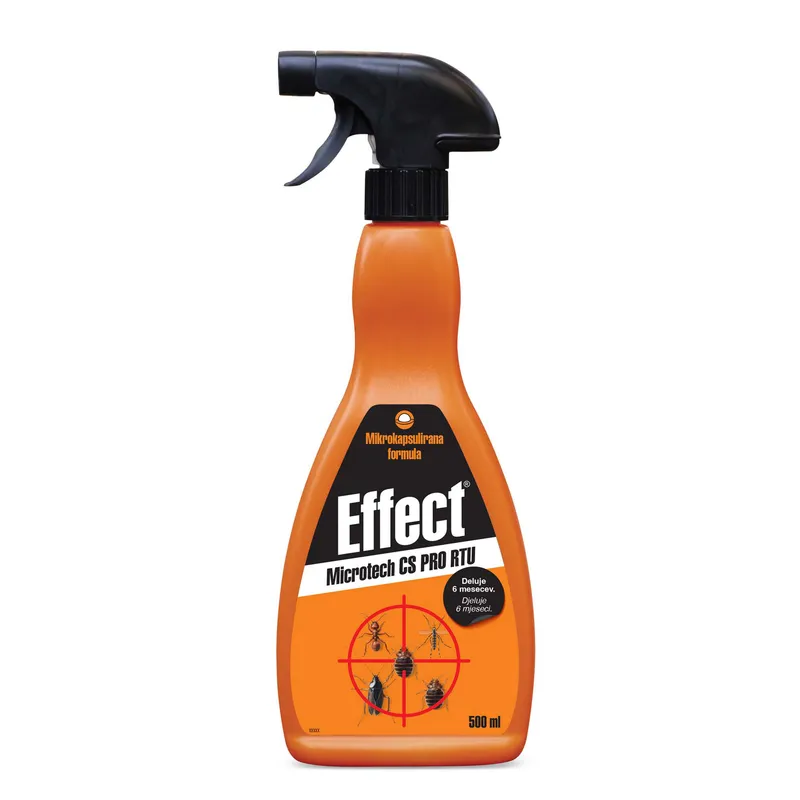
After the initial treatment, we recommend Effect Microtech CS PRO RTU.

Its advanced microencapsulated formulation provides long-lasting protection of treated surfaces for up to 6 months. Apply the product particularly:

  • into cracks and crevices,
  • along floor and wall edges,
  • round pipes and service installations,
  • behind furniture and kitchen units,
  • to other hard-to-reach areas where ants hide or travel.

The microcapsules adhere to the ants' bodies and can be carried into hidden areas of the colony, contributing to a more effective reduction of the population.

Effect Microtech CS PRO RTU

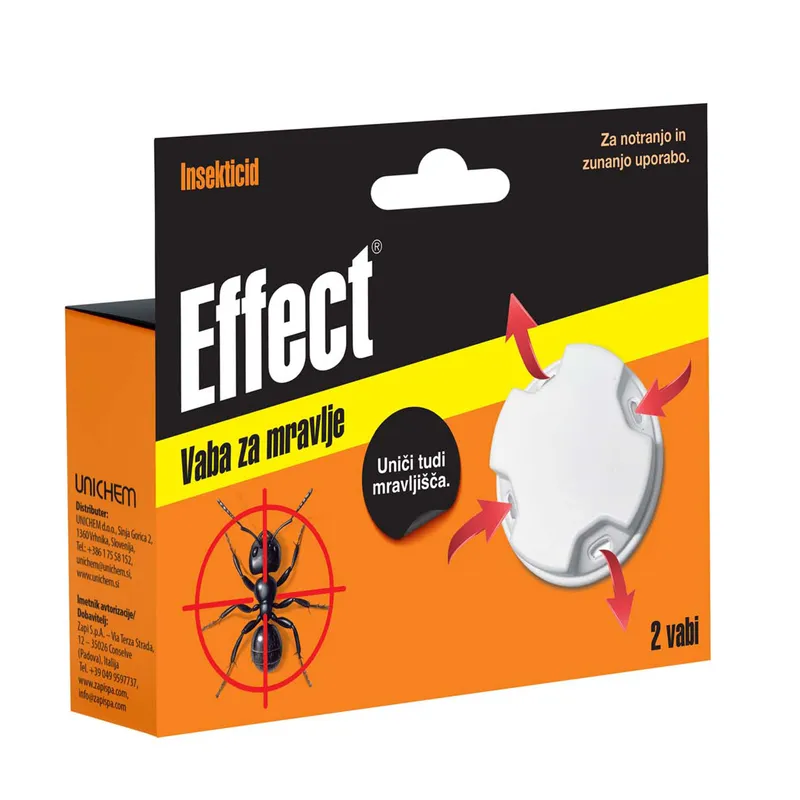
For long-term elimination of the problem, we also recommend Effect Ant Bait.

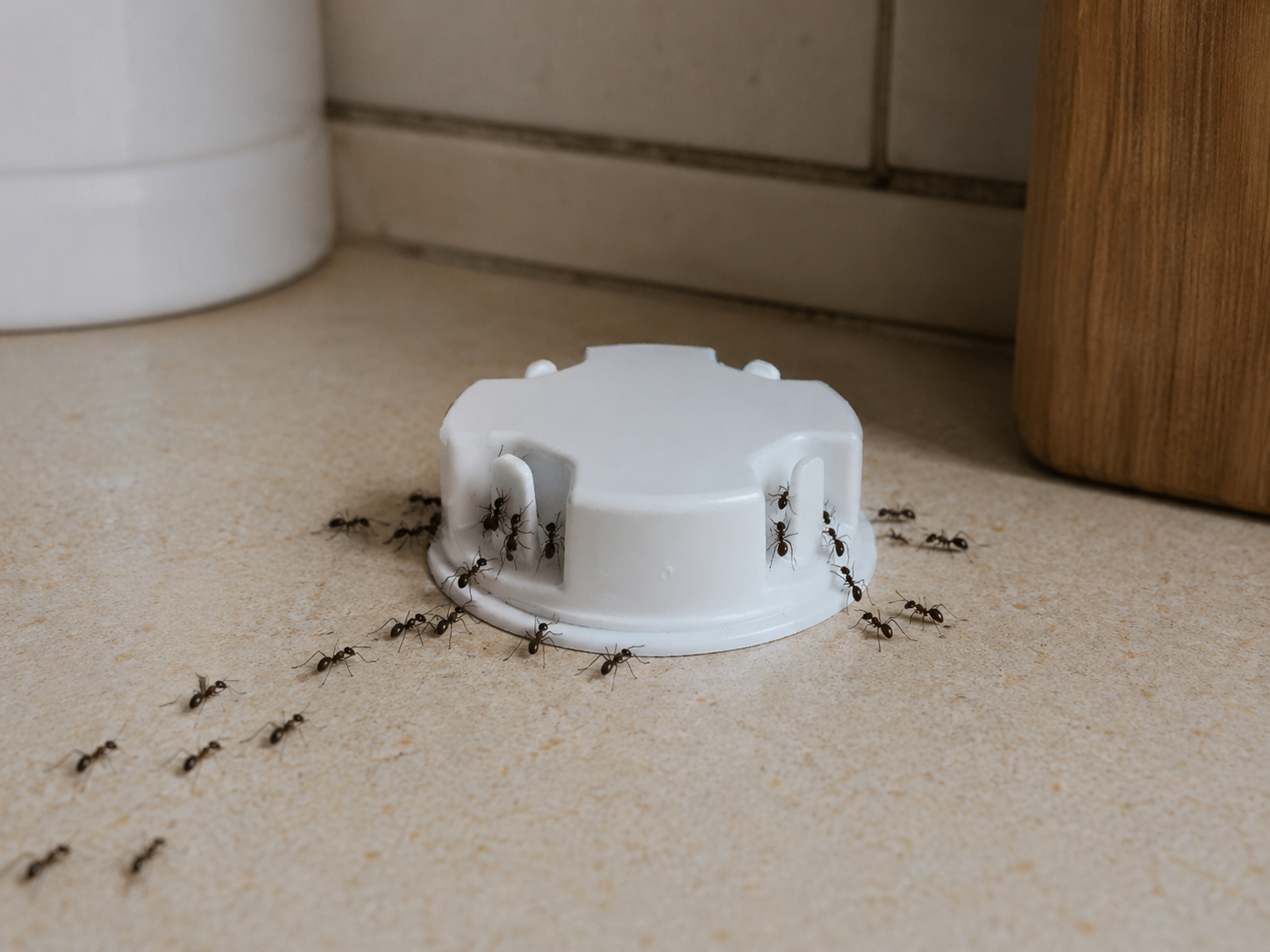
Place the bait directly along ant trails or close to areas where activity is observed. Worker ants consume the bait and carry it back to the nest, where they share it with other ants and the queen. The delayed action allows the active substance to spread through the colony and helps gradually eliminate the entire nest.

Important: Do not place the bait directly on surfaces treated with insecticide. For best results, position it slightly away from sprayed areas, along active ant trails.

Use biocides safely. Always read the label and product information before use.