Ants

Ants are among the most common pests in homes and around buildings. Although an individual ant is not dangerous, large colonies can quickly become a hygiene problem and a persistent nuisance. Early action can effectively limit their spread.

6/30/2026

Ants – Effective Control In and Around the Home

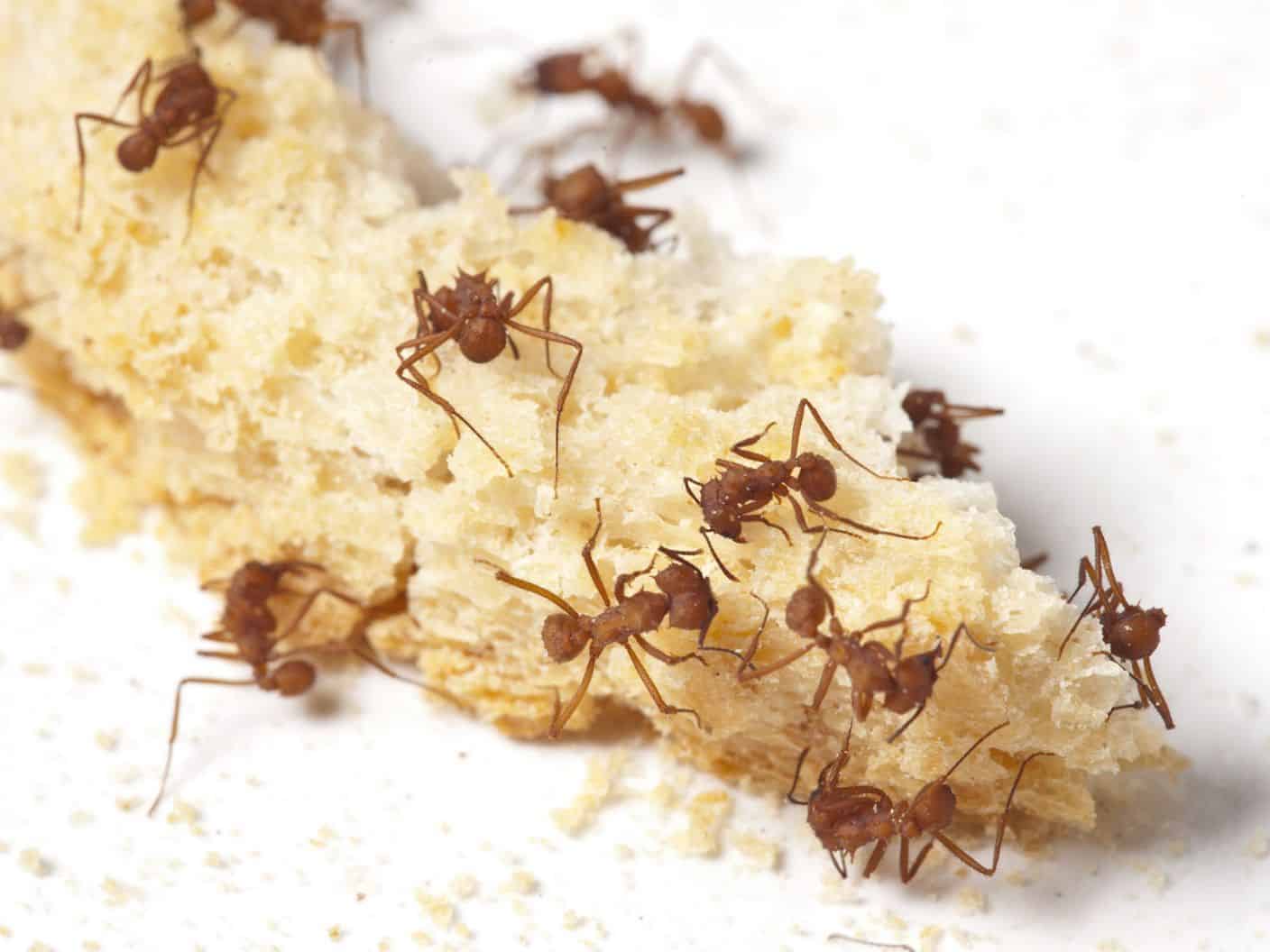
Ants most commonly appear in kitchens, pantries, on terraces and around houses, where they search for food, water and a safe route back to their nest. Once they discover a food source, they leave a pheromone trail that other ants quickly follow.

Although individual ants usually cause little damage, large colonies may contaminate food, disrupt everyday living and spread rapidly through a building. It is therefore important to act as soon as the first signs of their presence appear.


Why Are Ants a Problem?

Ants can create both hygiene and household problems. While searching for food, they come into contact with various surfaces before moving across kitchen worktops, cupboards and food.

Large colonies may cause:

  • food contamination,
  • the spread of bacteria,
  • mass activity in living areas,
  • nesting in walls, paved surfaces or beneath flooring,
  • repeated return to the same locations.

Some species, such as the pharaoh ant, form extremely large colonies and can be difficult to eliminate completely without the correct approach.

Where Are Ants Most Commonly Found?

Ants may nest outdoors or inside buildings and travel from the nest in search of food. They are most commonly found where food and water are easily accessible.

They frequently appear in kitchens, pantries, dining rooms, bathrooms, cellars, on balconies and terraces, near entrances, in gardens and on paved surfaces.

They usually enter buildings through cracks around doors and windows, gaps around pipes or other small openings.


How Can You Recognise an Ant Infestation?

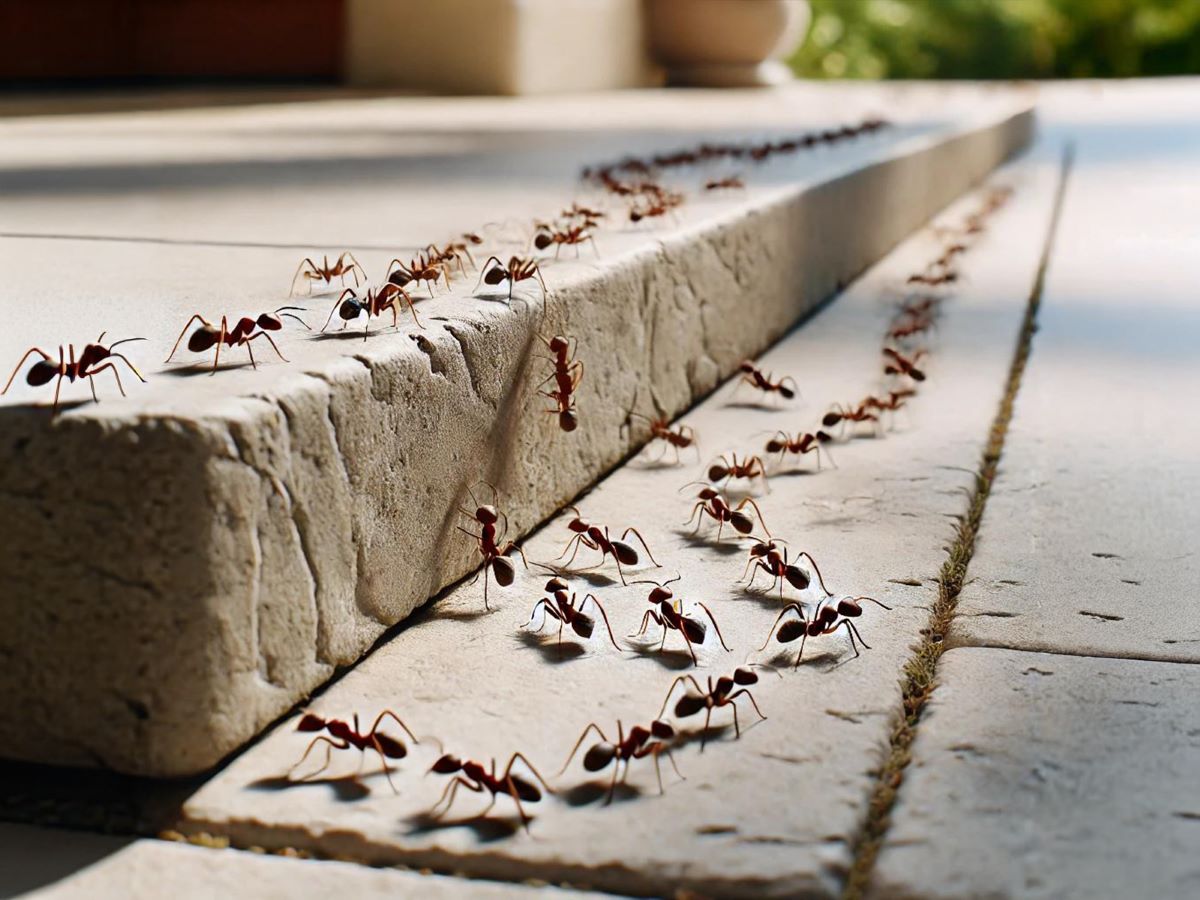
The first sign of an infestation is usually one or more scout ants exploring the area in search of food. Once a source is found, other ants soon follow the pheromone trail to the same location.


The most common signs of ant activity are:

  • individual ants on kitchen worktops or floors,
  • trails of ants along walls, room edges or outdoor surfaces,
  • ants around food, waste bins or pet bowls,
  • ants on terraces, balconies or near entrances,
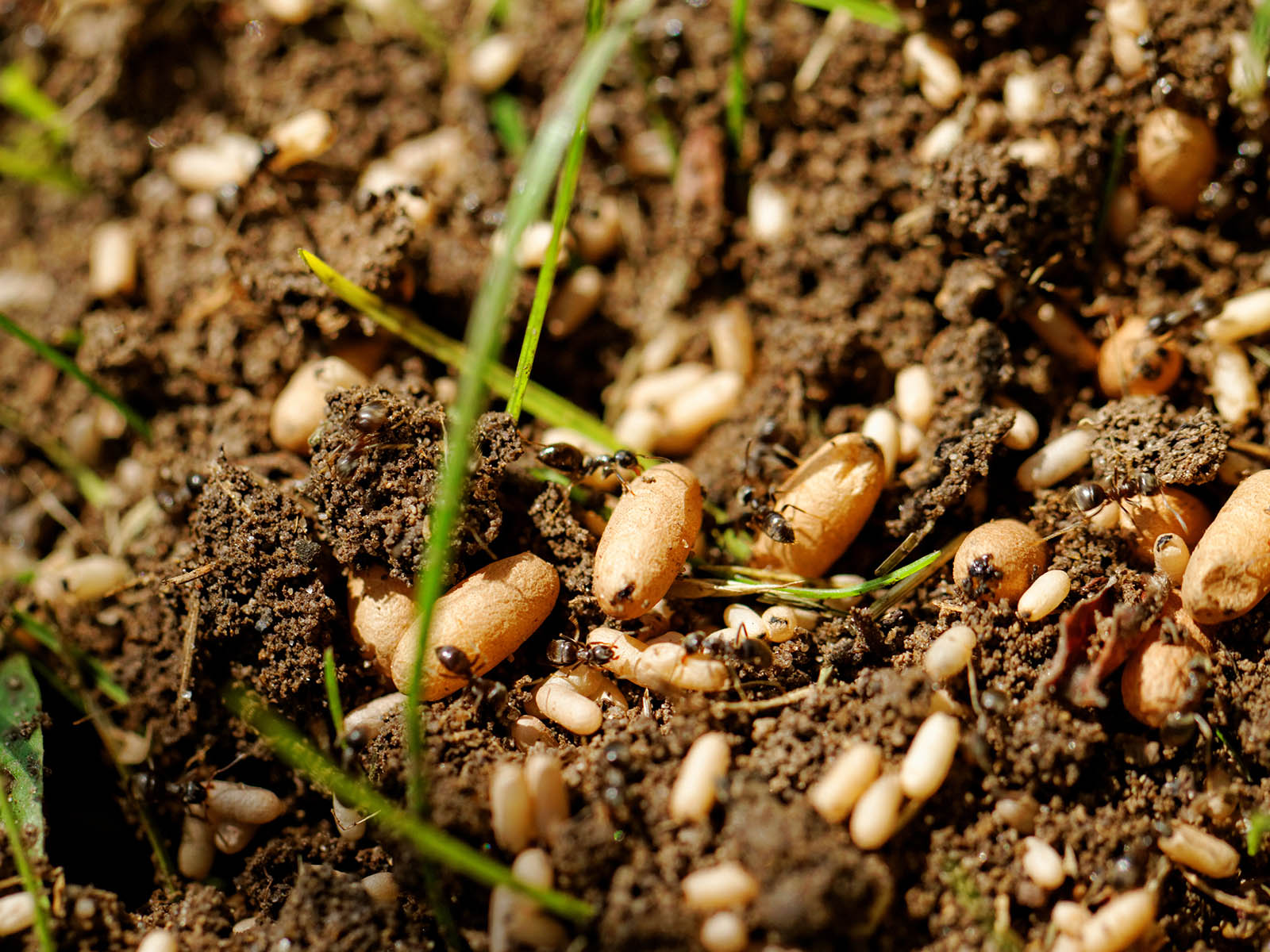
  • small piles of soil beside paving, joints or cracks.

If ants repeatedly appear in the same location, their nest is likely to be nearby.

Mravlje

How Can You Get Rid of Ants Effectively?

Successful ant control requires more than removing individual ants. The source of the problem - the colony or nest - must also be addressed.

For effective ant control, we recommend:

✔ removing food residues and cleaning surfaces regularly,

✔ storing food in tightly sealed containers,

✔ limiting access to water and moisture,

✔ sealing cracks and other entry points,

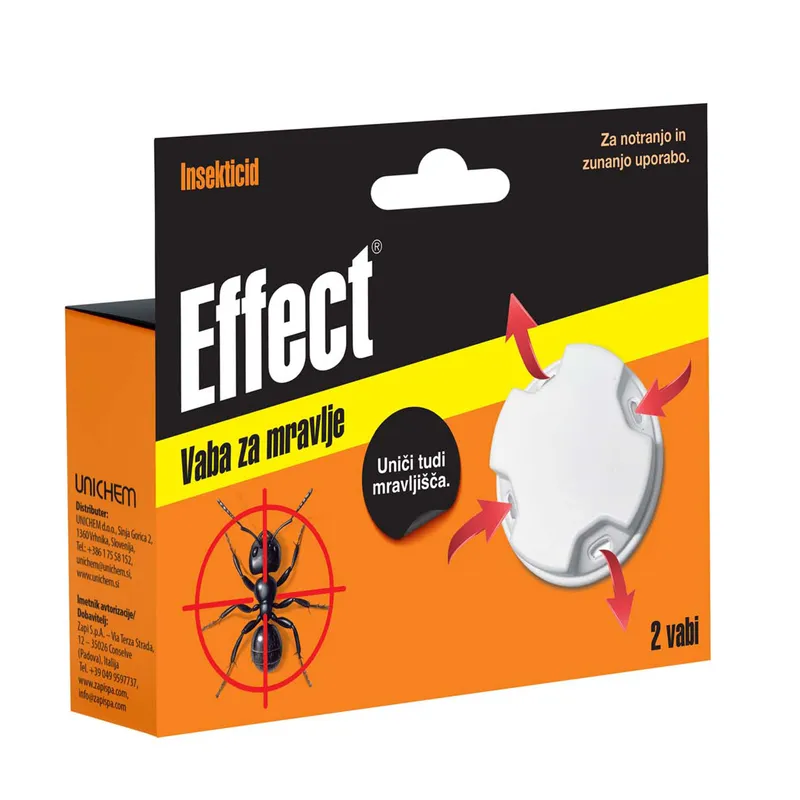
✔ using bait that ants carry back to the nest,

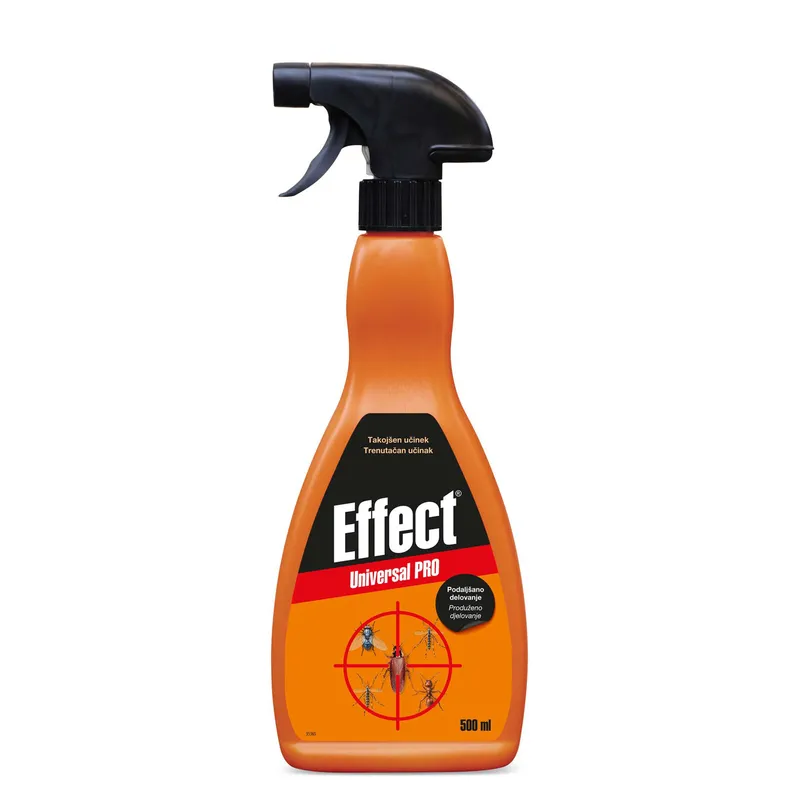
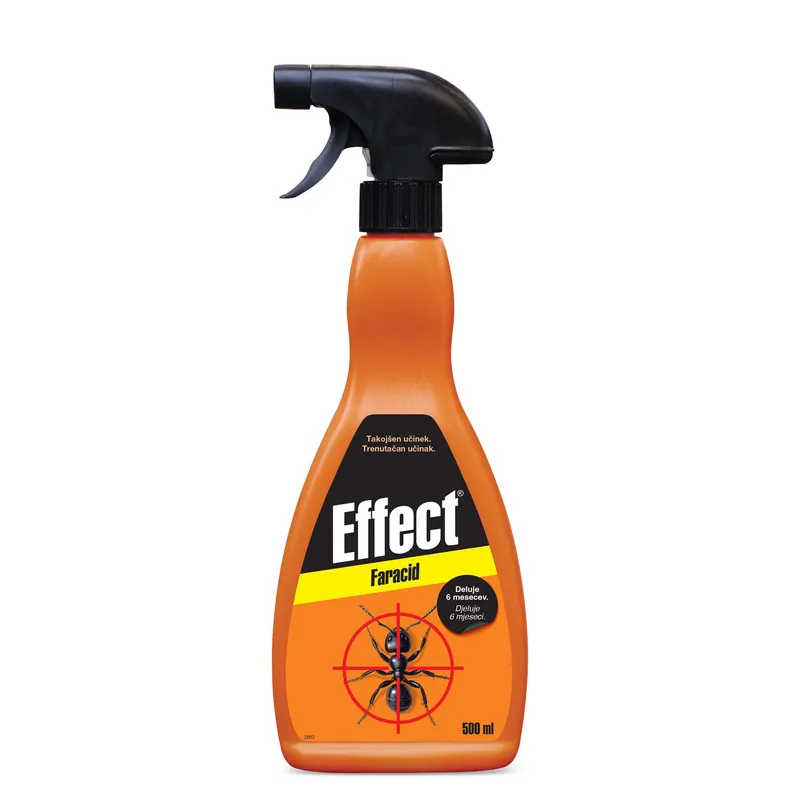
✔ applying insecticides along ant trails and in areas where they gather.

Timely action helps prevent the colony from spreading and reduces the likelihood of ants returning.

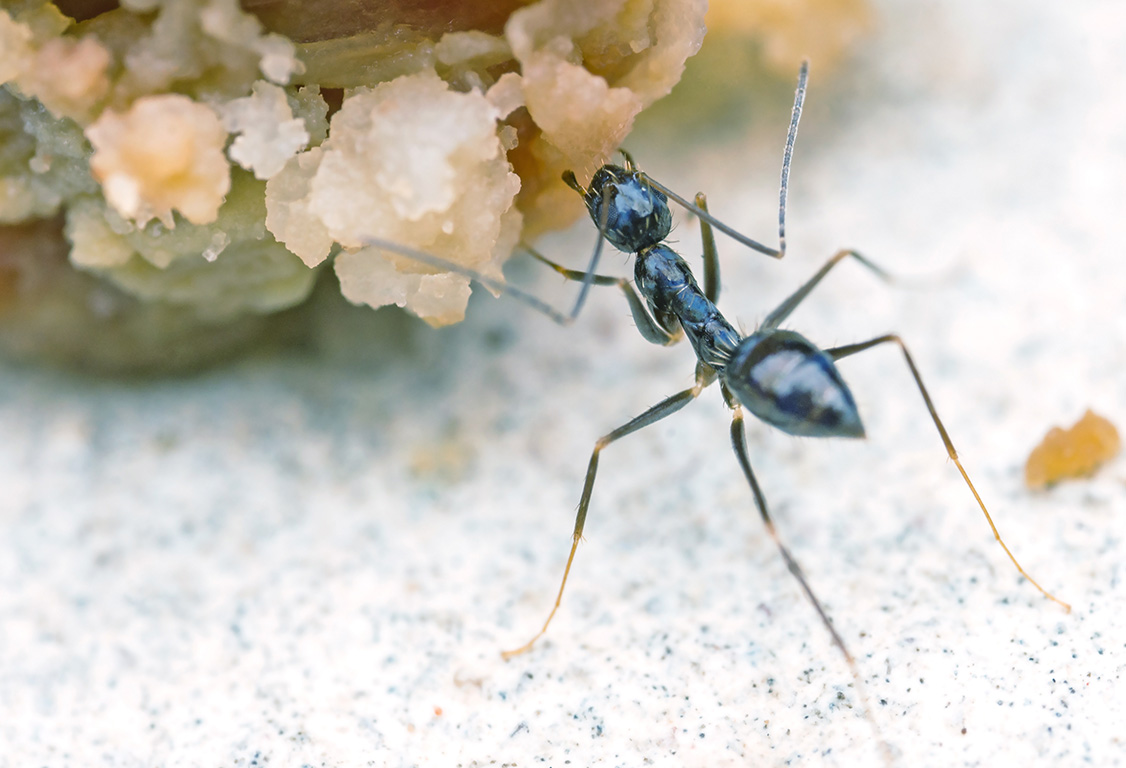
Black Garden Ant (Lasius niger)

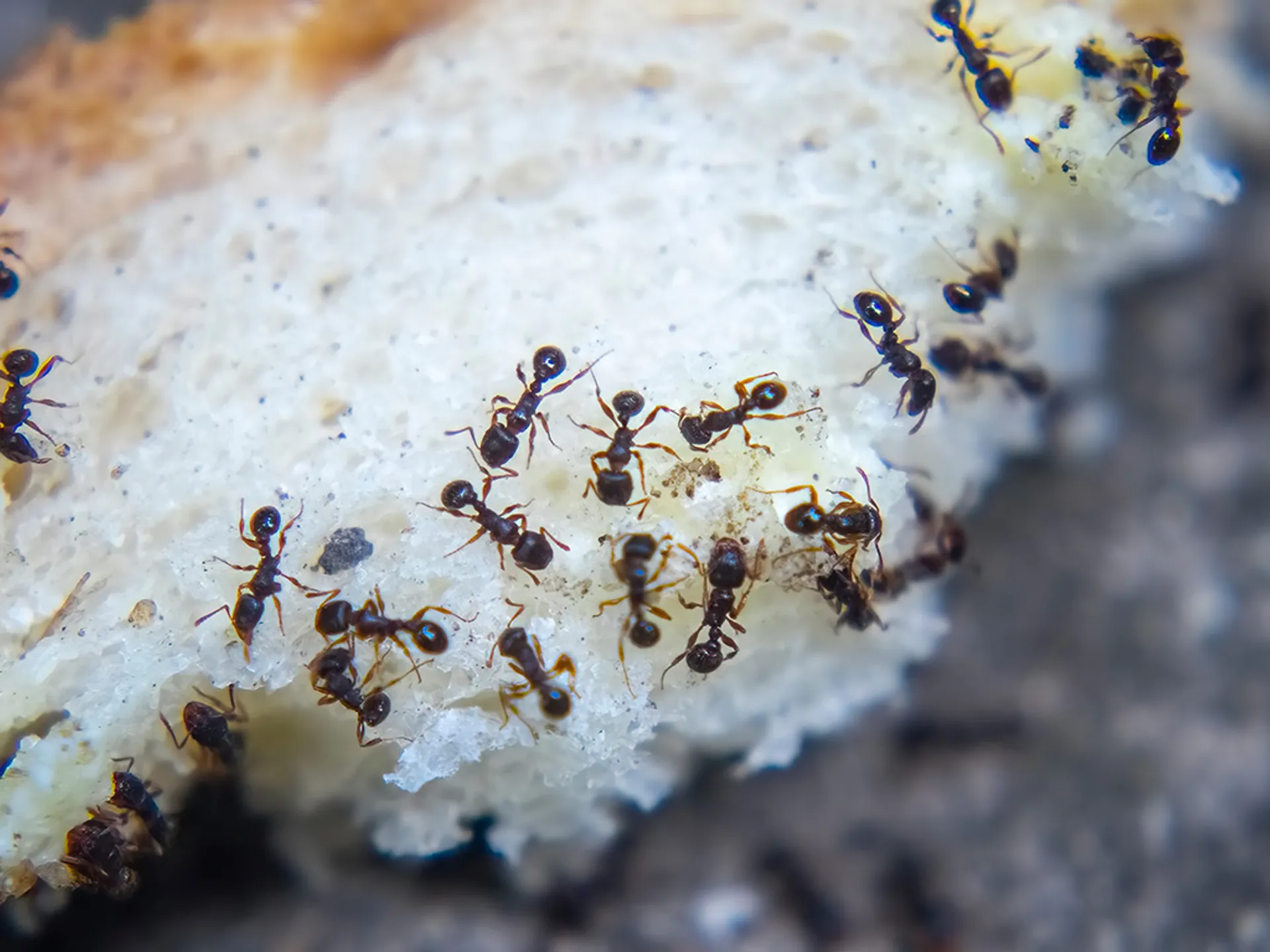
The black garden ant is the species most commonly found around houses, in gardens and indoors. It is particularly attracted to sugar, honey, fruit and other sweet food residues. It builds nests in soil, beneath paving stones or near building foundations.

Pharaoh Ant (Monomorium pharaonis)

The pharaoh ant is a very small, pale yellow species that often nests inside heated buildings. Because colonies contain numerous queens and reproduce quickly, it is one of the most difficult ant species to control.

Interesting Facts About Ants

  • Ants live in organised colonies that may contain anything from a few hundred to tens of thousands of individuals.
  • They communicate through pheromones, which they use to mark routes to food and signal danger.
  • A single scout ant can discover a food source and lead the entire colony to it within a very short time.
  • Ants can carry several times their own body weight, making them some of the strongest insects relative to their size.
  • Most ant species are beneficial in nature because they help decompose organic matter and regulate other insect populations. They become a problem when they settle close to people.


Frequently Asked Questions (FAQ)

Why do ants keep coming back?

If a food source remains accessible or the colony has not been eliminated, ants will continue to follow the same pheromone trail. It is therefore important to remove both the cause and the nest.

How can I get rid of ants effectively?

The most effective approach combines preventive measures, removal of food sources and the use of bait that ants carry into the colony. This allows the active ingredient to reach the queen and other members of the nest.

Will an insecticide eliminate the entire colony?

Insecticides effectively reduce the number of ants in treated areas, while microencapsulated insecticide and also bait enables the active ingredient to be carried into the colony. A combination of both control methods is recommended for the best results.

Where do ants most commonly build their nests?

Ants usually nest in soil, beneath paving stones, near building foundations, in cracks in walls, beneath stones or inside wooden structures. Some species can also nest inside heated buildings.

How can I prevent ants from returning?

Regularly remove food residues, store food in sealed containers, prevent access to water and seal cracks or other openings through which ants enter the building.