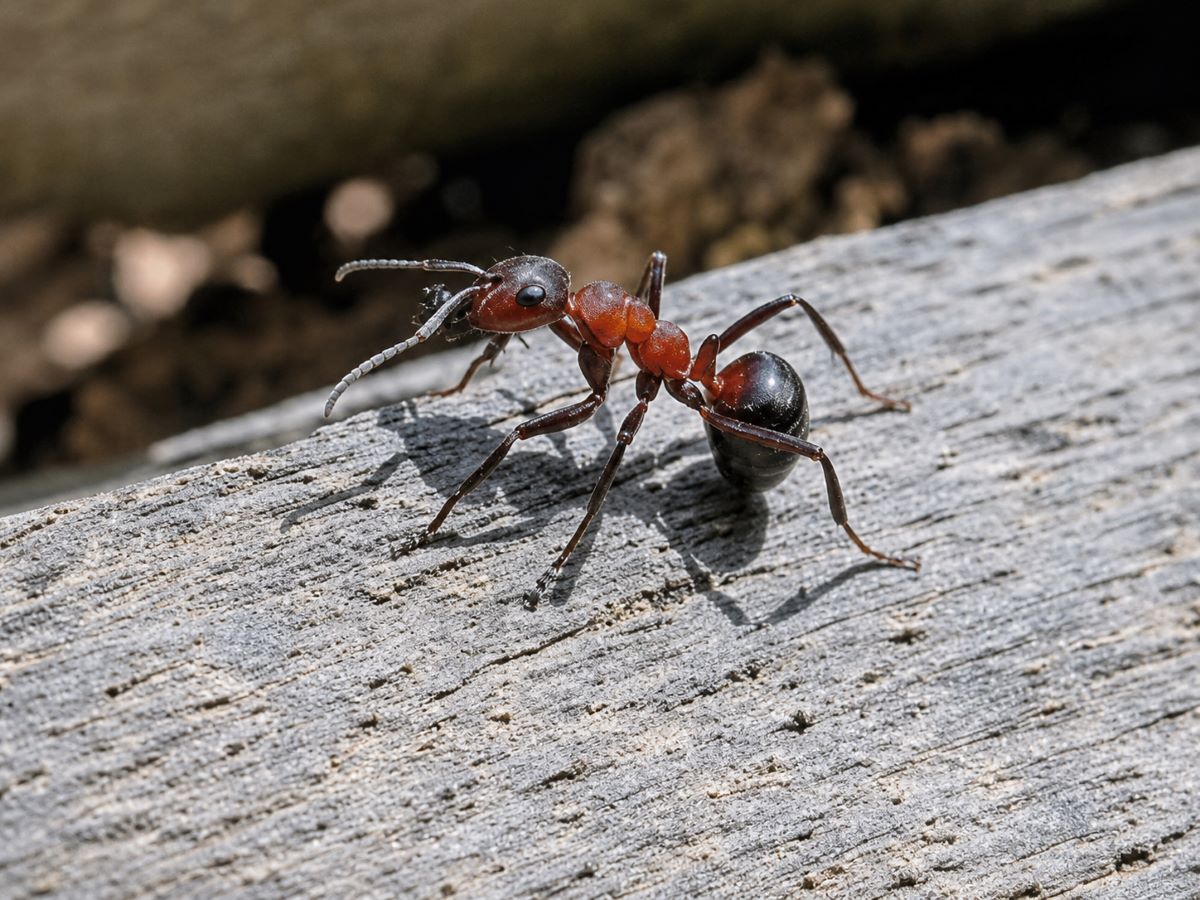
Keep Ants in the Garden – Not in Your Home

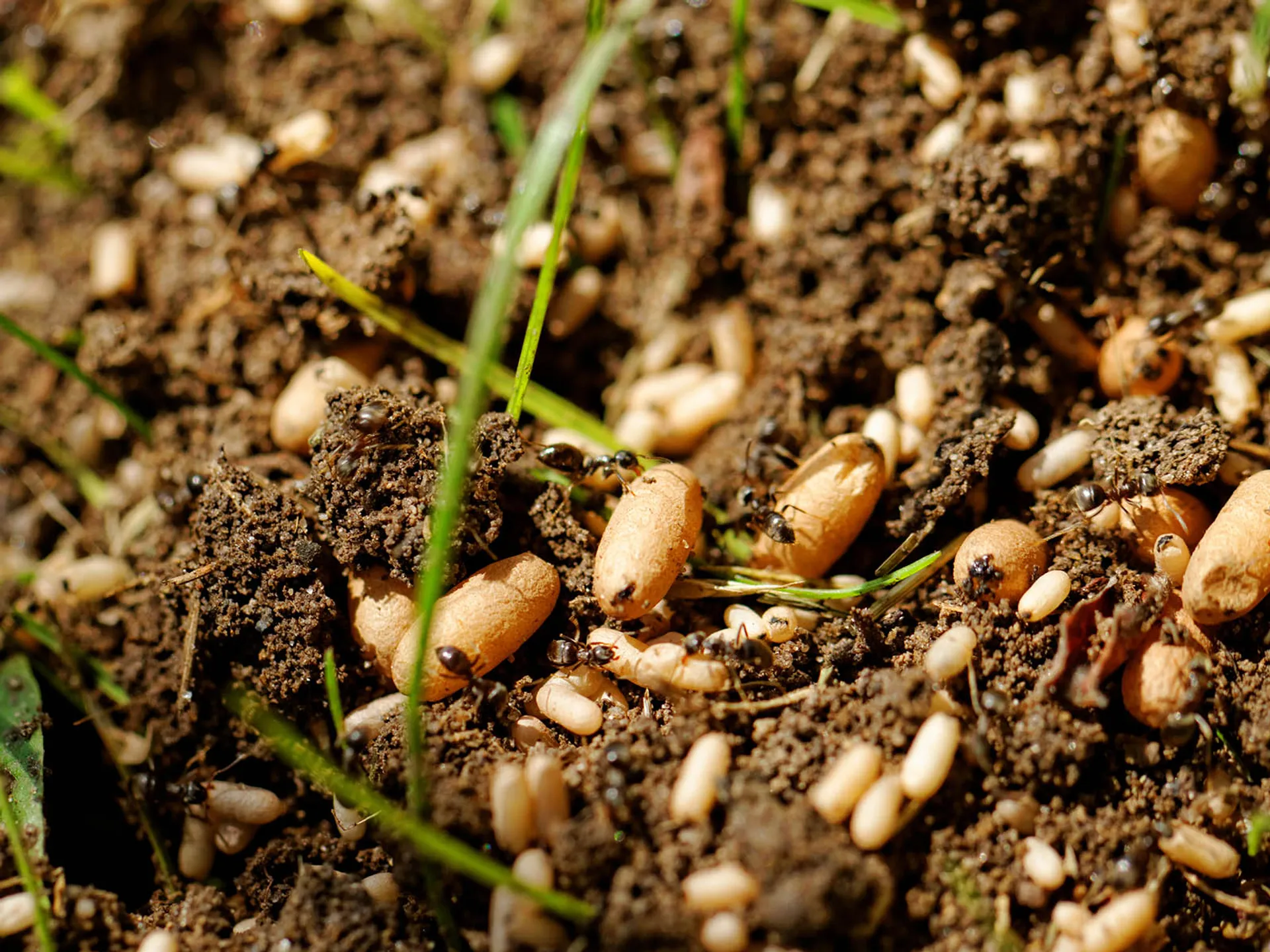
Ants are an important part of the garden ecosystem. They aerate the soil, help decompose organic matter and contribute to the natural balance. Their presence in the garden is therefore usually not a cause for concern unless their numbers become excessive.

7/8/2026

Why Are Ants So Common in the Garden?

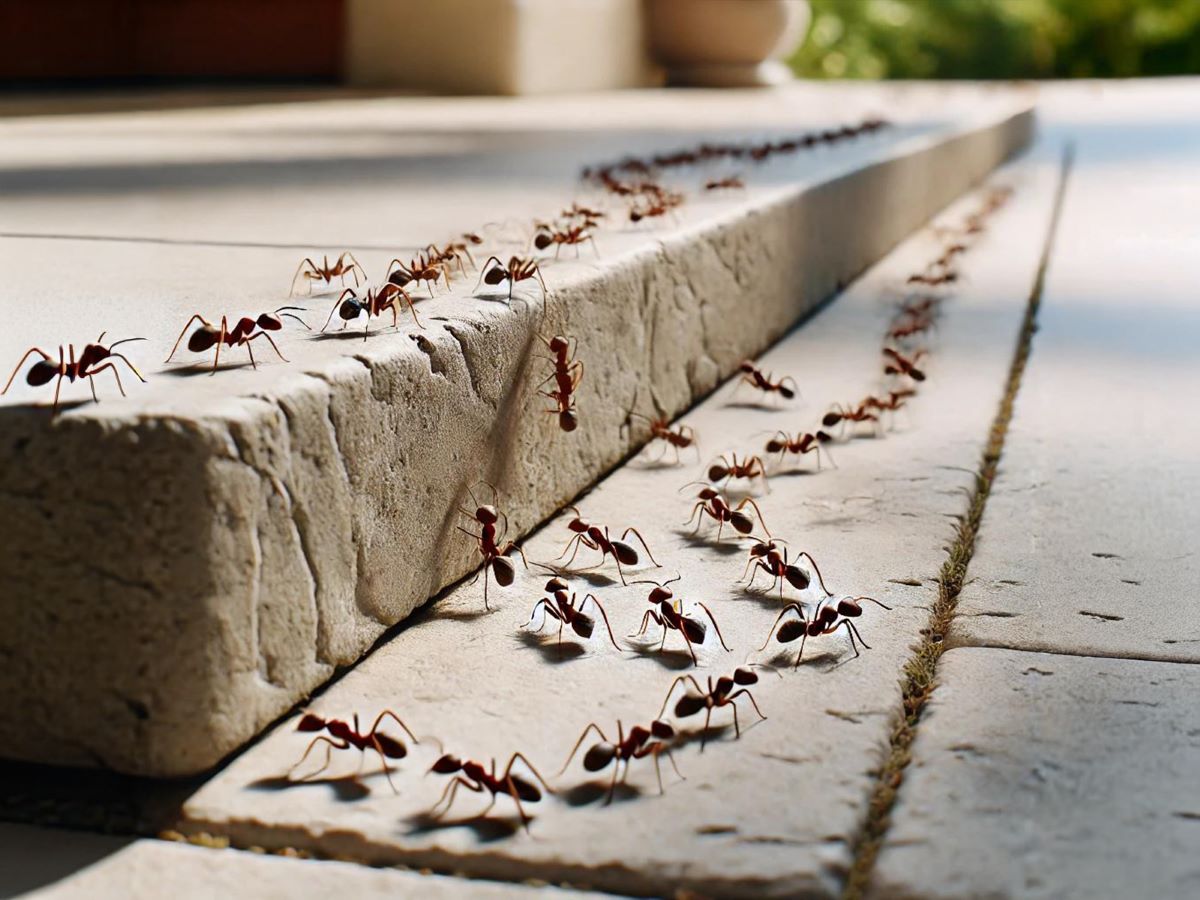
Garden ants continuously search for food, water and suitable places for colony development. They build nests in soil, beneath stones and wooden elements, along the edges of beds and among plant roots. They are especially active in the warmer part of the year, when colonies grow rapidly.

They are also frequently seen on fruit trees, vegetables and ornamental plants, although they are not always the primary cause of plant damage.

Ants and Aphids - Close Allies

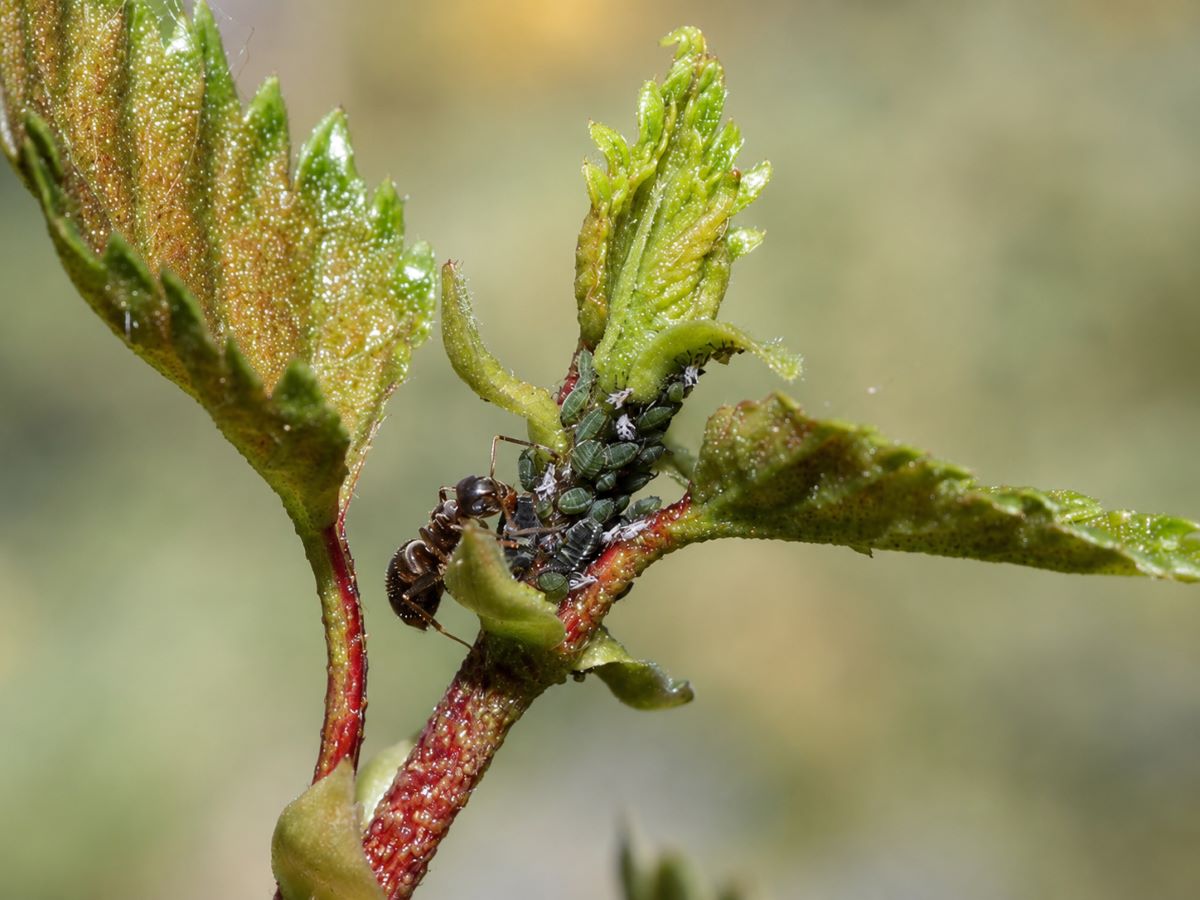
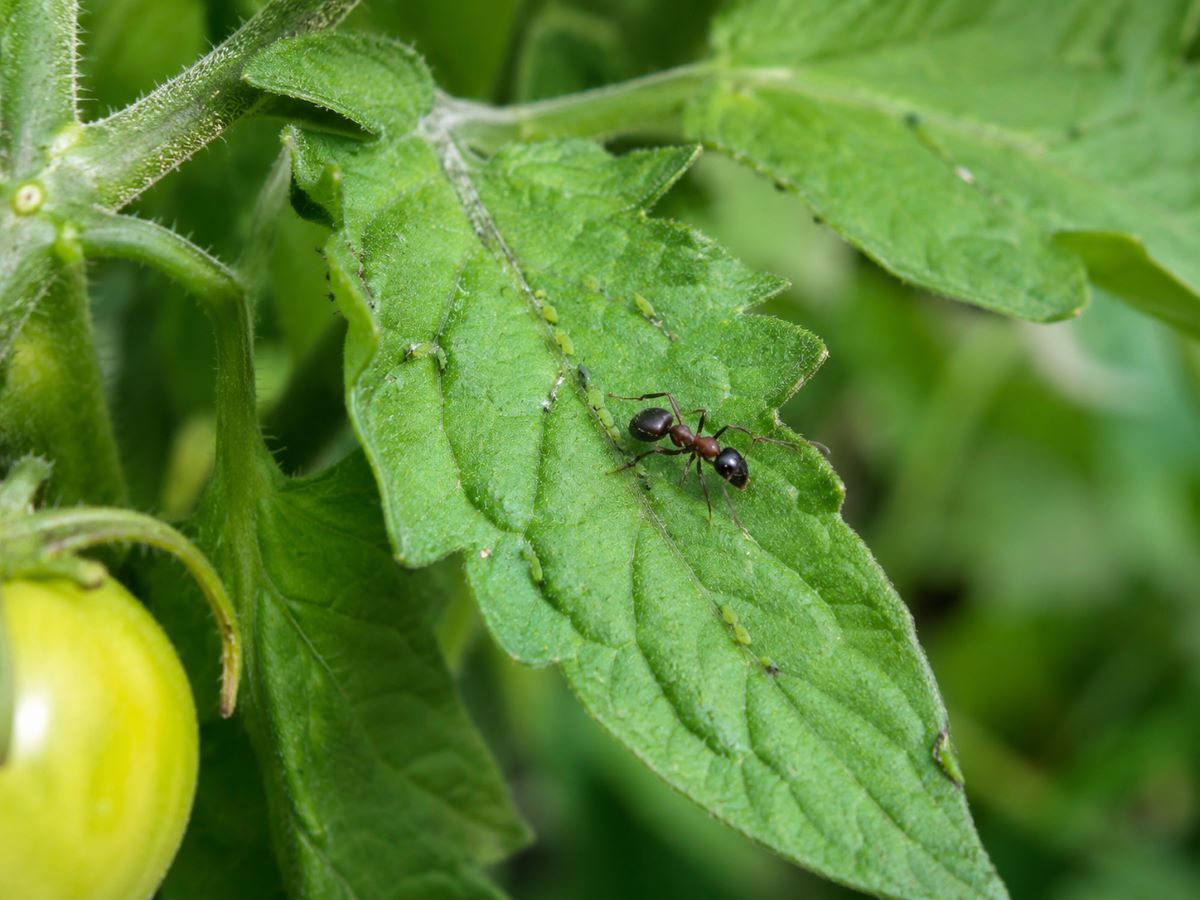
If you notice large numbers of ants on plants, check for aphids as well. The two insects have a close mutual relationship.

Aphids produce honeydew, a sweet substance that provides an important food source for ants. In return, ants protect aphids from natural enemies and may help them spread to new plants.

This relationship can allow aphid populations to increase quickly, which in turn attracts even more ants.

Why Do We Usually Avoid Controlling Ants in the Garden?

Ant-control products are not intended for vegetable beds, orchards or other food-production areas unless such use is specifically authorised on the label. Ants are part of the natural ecosystem and are often not directly responsible for plant damage.

When ants appear together with aphids, it is generally more appropriate to control the aphids rather than the ants. Reducing the aphid population removes the honeydew that attracts ants.

When Ants Move from the Garden into the House

Although ants play a useful role outdoors, they quickly become unwanted visitors indoors. Food residues, sugar, moisture and other easily accessible food sources attract them. Once scout ants find a suitable source, they leave a pheromone trail that other workers follow. A few individual ants can therefore develop into a busy ant trail in a very short time.

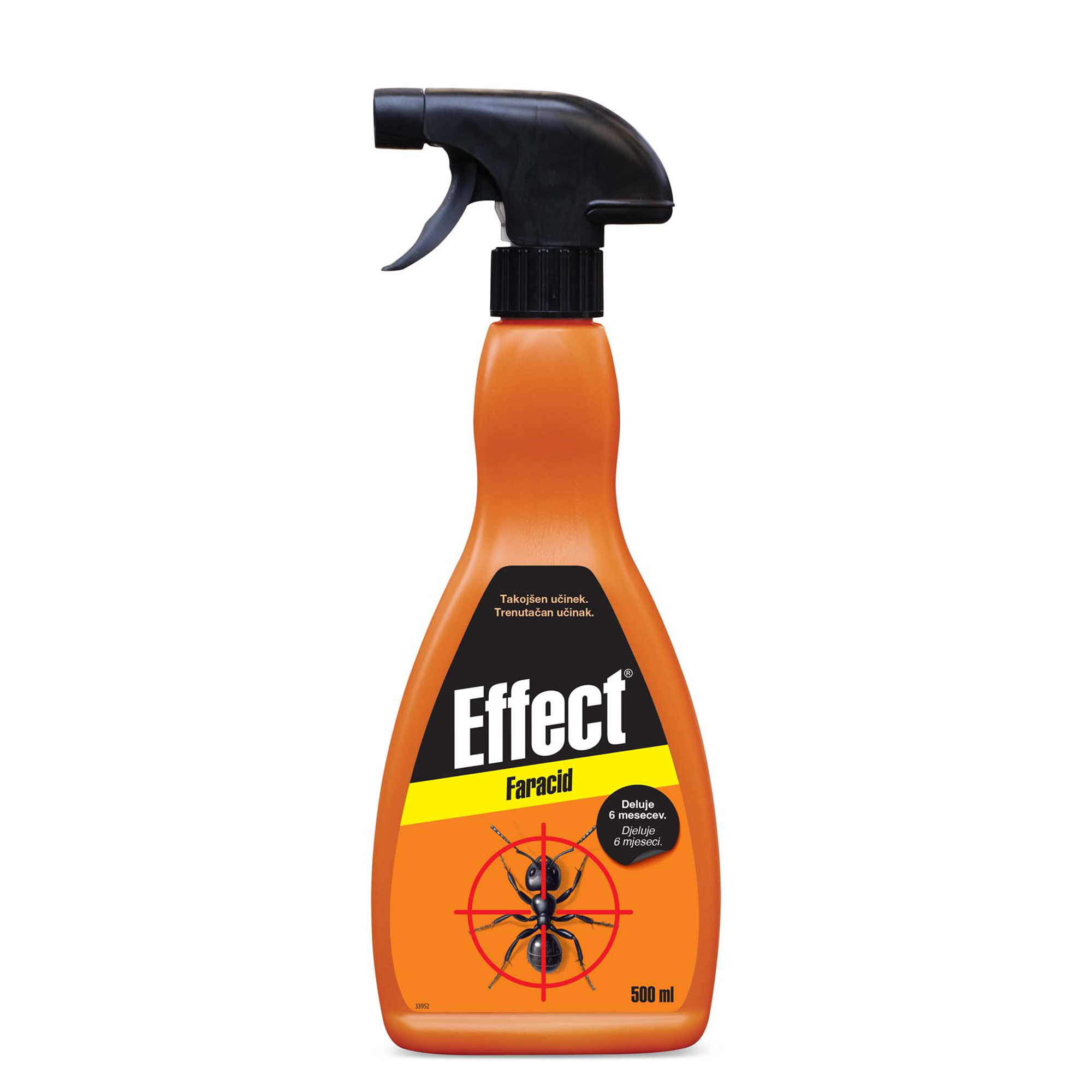
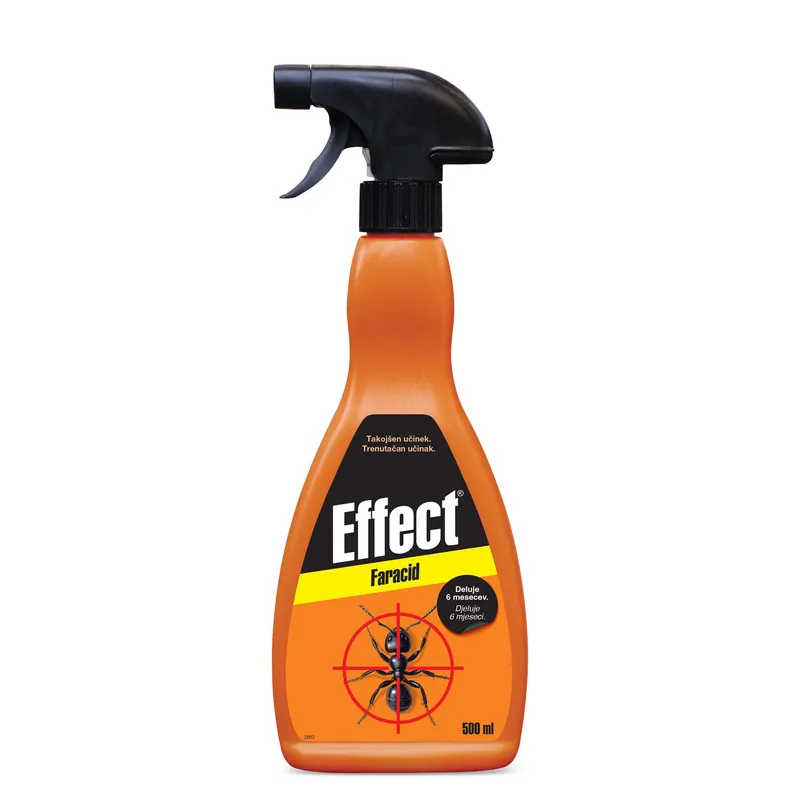
At the first signs of indoor activity, use Effect Faracid. This insecticide is specifically developed for effective ant control indoors and around buildings. It acts rapidly and provides extended protection on treated surfaces, helping reduce ant numbers and prevent their return.

Effect Faracid is a ready-to-use microencapsulated insecticide for effective ant control. Its special formulation enables the active substances to be released slowly and evenly through the microcapsule membrane, providing long-lasting protection of treated surfaces for up to 6 months.

Effect Faracid

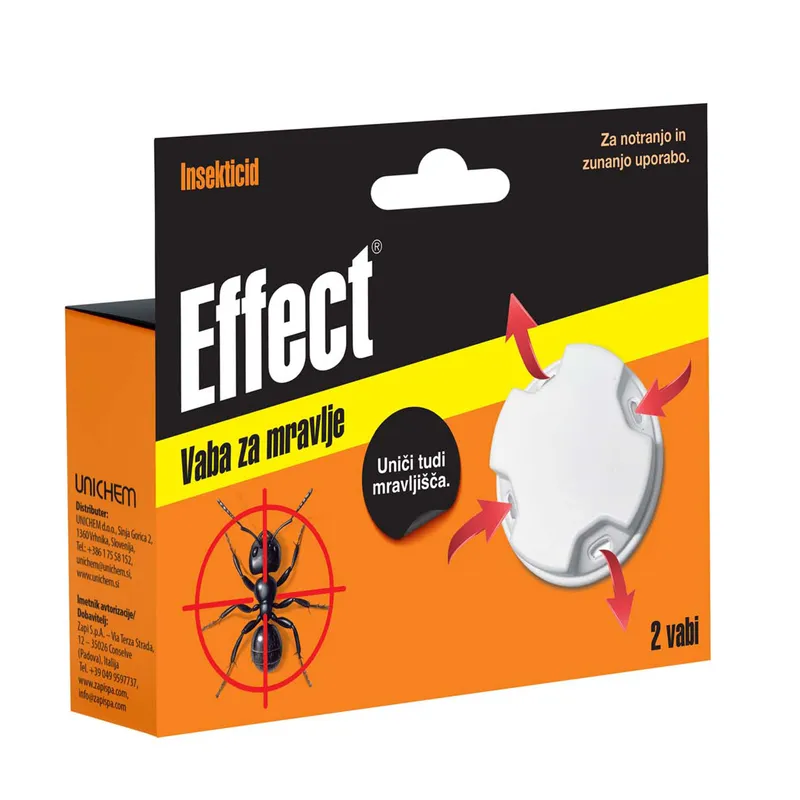
For long-term reduction of the colony, use Effect Ant Bait. Worker ants consume the insecticidal bait and carry it into the nest, where it is shared with other colony members, including the queen. The bait therefore acts beyond individual ants and helps reduce the entire colony over time.

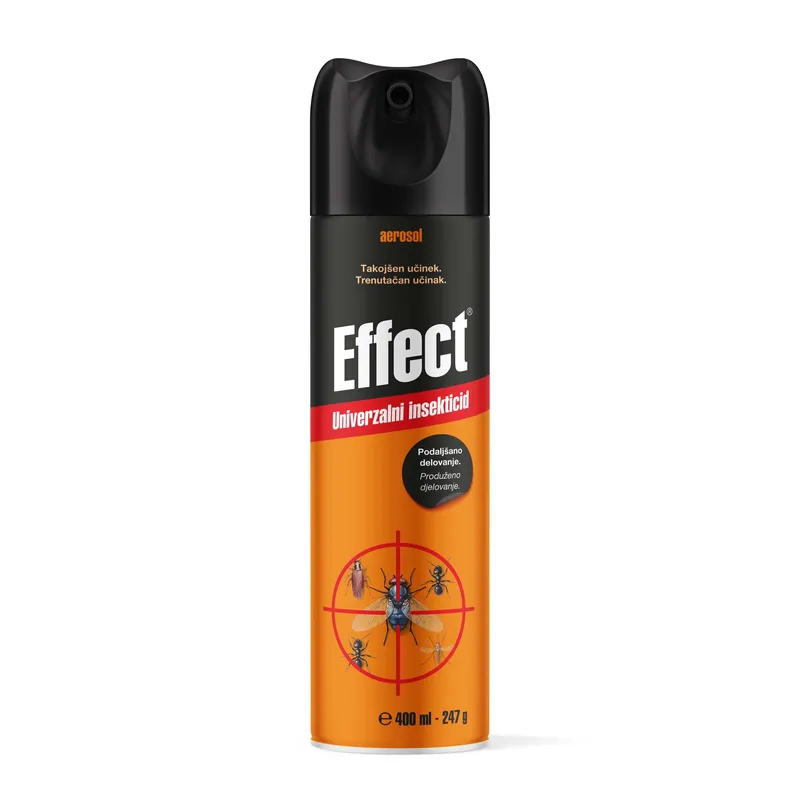
For rapid control of individual ants or visible ant trails, Effect Univerzalni insekticid aerosol may also be used. Its fast contact action provides an immediate response when ants appear indoors.

Let Ants Stay in the Garden

Ants play an important role in the garden ecosystem by aerating the soil and breaking down organic matter, so they usually do not need to be controlled outdoors. However, if they enter your home in search of food, water or shelter, prompt action is recommended.

For effective control, combine a fast-acting insecticide treatment in areas where ants are active with insecticidal bait that provides longer-lasting control of the colony. Pay particular attention to entry points, cracks, crevices and areas along ant trails. Always use biocidal products according to the label instructions. This targeted approach helps protect your living spaces while allowing ants outdoors to continue performing their beneficial ecological role.

Use biocides safely. Always read the label and product information before use.